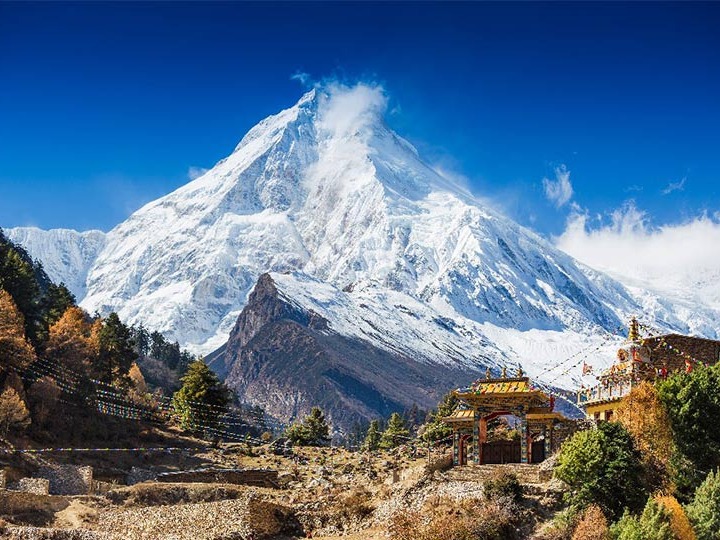
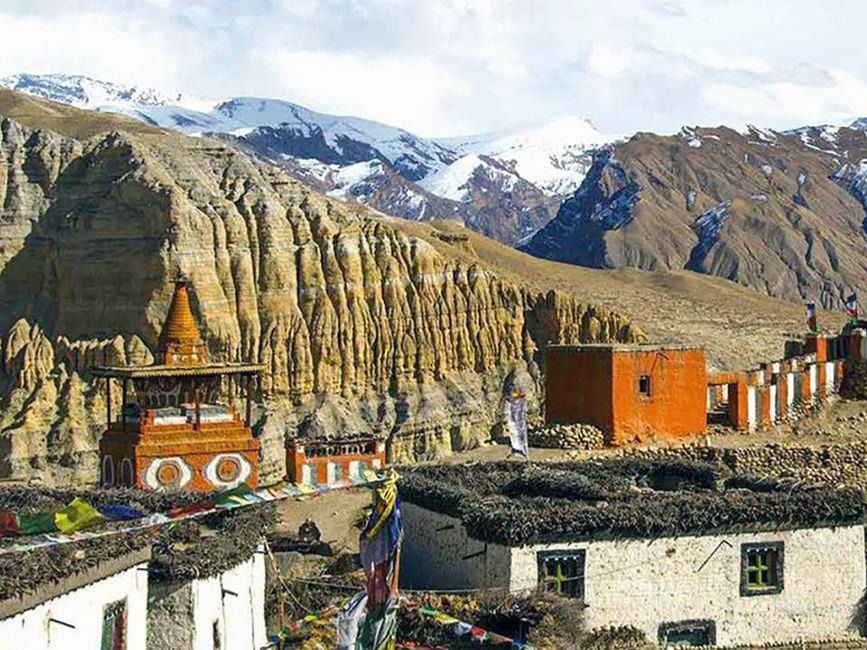
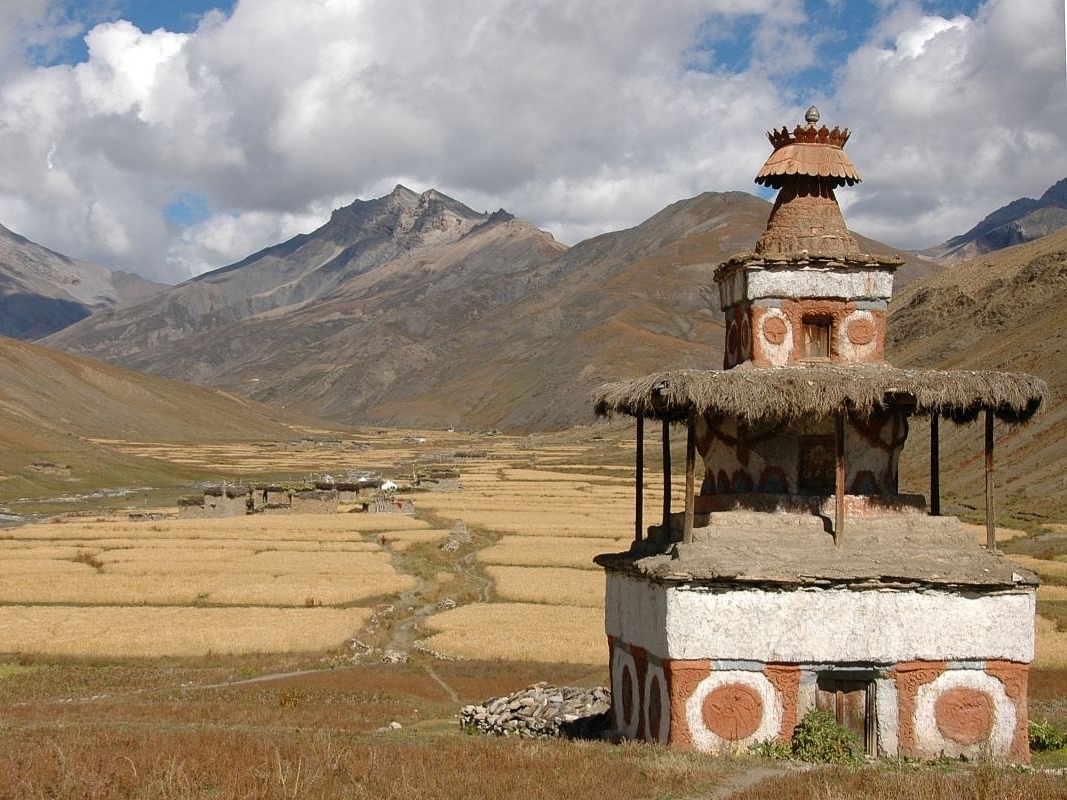
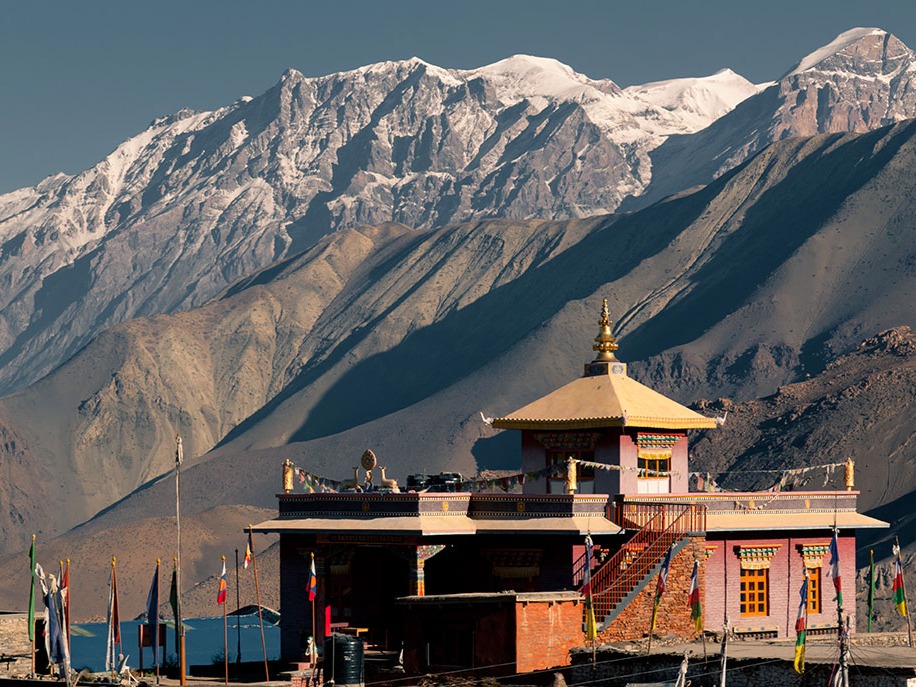
Western Nepal Motorbike Tour package has been made for a distinct Western Nepal motorbike product. It avoids generic wording, corrects route-specific permit language, and keeps the original spirit of a long cross-country ride from Kathmandu to Rara Lake, Karnali, Rukum, Pokhara, and back to Kathmandu.
 Certified
  Sustainable
  Best Price
  Challenge level
 Destination Destination
|
Nepal |
|---|---|
 Activity Activity
|
MotorBike Tours |
 Duration Duration
|
16 Days |
 Meals Meals
|
Breakfast, Lunch, Dinner |
 Accomodation Accomodation
|
Hotel and Lodge |
 Group size Group size
|
min 2 people |
 Best Season Best Season
|
March to May and September to November |
 Max Altitude Max Altitude
|
2990 |
 Trip Code Trip Code
|
WESTMT16 |
 Transportation Transportation
|
Royal Enfield Himalayan 411, Himalayan 450, Honda CRF 250 or similar |
 Grade Grade
|
Strenuous |
Kathmandu - Chitwan - Lumbini - Kohalpur - Rakam Karnali - Nagma - Rara Lake - Dailekh - Rukum Paschim - Burtibang - Pokhara - Kathmandu
This is a long and varied expedition across Nepal, designed for riders who want more than a short destination ride. The route moves from the cultural monuments of Kathmandu to the wildlife plains of Chitwan, the sacred Buddhist landscape of Lumbini, the remote Karnali Highway, the blue water of Rara Lake, the hills of Rukum, the central highway of Baglung and Kushma, and finally the lakeside comfort of Pokhara.
The Western Nepal Motorbike Expedition is one of Gateway Adventure Treks and Expedition’s most complete cross-country motorcycle journeys. It is not simply a ride to one famous destination. It is a long, changing, and deeply rewarding expedition through Nepal’s cultural heart, southern jungle, Buddhist pilgrimage corridor, far-western highways, Karnali hills, Rara National Park, rural Rukum, central Nepal, and the Himalayan city of Pokhara.
This 16-day journey is designed for riders who want to experience Nepal beyond the usual Kathmandu, Pokhara, and Everest routes. Western Nepal remains less visited, less commercialized, and more raw in character. The roads are longer, the facilities become simpler after the Terai and Karnali sections, and the landscapes feel more remote with every day of riding.
The expedition begins with a guided cultural introduction in Kathmandu before moving south toward Chitwan National Park. There, riders exchange the sound of engines for jungle atmosphere, river canoeing, safari activities, and Tharu cultural experience. From Chitwan, the route continues to Lumbini, the birthplace of Lord Buddha, before pushing west toward Kohalpur and then north into Karnali.
The highlight of the expedition is Rara Lake, located at around 2,990 meters. Nepal Tourism Board describes Rara Lake as Nepal’s deepest lake and one of its most pristine destinations, while official park information also identifies it as Nepal’s largest lake by area. The lake is surrounded by forested hills, quiet walking trails, and high ridges such as Chuchhemara, Ruma Kand and Malika Kand. For many riders, the first sight of Rara after days of remote highway and off-road riding becomes the defining memory of the whole trip.
After Rara, the journey continues through the western hills toward Dailekh and Rukum Paschim, an area known for its landscape of hills, ponds, villages, and little-visited rural roads. The ride then returns gradually toward central Nepal through Burtibang, Baglung, Kushma, Pokhara, and the Prithvi Highway back to Kathmandu.
The expedition combines long asphalt highways, broken mountain roads, dusty Karnali tracks, sandy sections, village roads, riverside corridors, and occasional rough access routes. Around most of the trip is on paved or semi-paved roads, but the Rara and Karnali sections require confidence, patience, balance, and a willingness to adapt to changing terrain.
This package is ideal for experienced riders who want a guided long-distance expedition with cultural depth, natural diversity, and logistical support. Gateway Adventure provides motorbike arrangements, guide service, mechanical support, backup jeep, permit assistance, accommodation planning, and emergency coordination so riders can focus on the journey itself.
|
Place |
Experience |
|
Kathmandu |
Cultural start point with heritage sites, trip briefing, test ride, gear check and welcome atmosphere. |
|
Chitwan |
Wildlife, river activities, Tharu culture, jungle safari and a warm Terai landscape after the first riding day. |
|
Lumbini |
Spiritual pause at the birthplace of Lord Buddha, with Maya Devi Temple, sacred garden and monastic zones. |
|
Kohalpur |
Western Terai gateway town, useful for rest before entering the longer Karnali approach. |
|
Rakam Karnali |
Riverside Karnali settlement and transition point from hot plains to western hill roads. |
|
Nagma |
Remote road junction for the route toward Sinja Valley, Mugu and Rara Lake. |
|
Sinja Valley |
Historic valley connected to the Khas civilization and early development of the Nepali language. |
|
Rara Lake |
Main highlight of the expedition, famous for blue water, forested hills, quiet trails and remote beauty. |
|
Dailekh |
Cultural hill district and practical overnight point on the return from Karnali. |
|
Rukum Paschim |
Rural western hill region known for dramatic terrain, villages and lesser-known landscapes. |
|
Burtibang and Baglung |
Central Nepal corridor linking western hills with Pokhara via scenic highways and market towns. |
|
Pokhara |
Comfortable lakeside recovery point with Himalayan views, cafes, lakeside walks and optional adventure activities. |
The Western Nepal Motorbike Expedition is a long-distance ride rather than a short technical trail. The challenge comes from the number of riding days, the changing climate zones, the remote Karnali sections, and the need to remain focused for many hours across different road surfaces.
The early part of the trip follows major highways and warmer lowland roads. From Kathmandu to Chitwan and Lumbini, riders experience asphalt roads, river corridors, busy market towns, long straight Terai roads, and mixed traffic. This section helps the group adjust to Nepal’s traffic style and riding rhythm before heading west.
The character changes after Kohalpur. The journey gradually climbs toward Surkhet, Dailekh, Rakam Karnali, Nagma and the Rara access road. Here, the ride becomes more remote. Roads may include broken asphalt, loose gravel, fine sand, sharp bends, steep descents, narrow mountain corners, dusty surfaces and occasional water-damaged sections. Riders must be careful, flexible and patient.
The Rara section is the heart of the expedition. The ride from Nagma toward Sinja, Bhulbhule, Salleri and Rara combines historical atmosphere with rougher road conditions. The pace may become slow, sometimes around 15 to 30 kilometers per hour, depending on road condition, weather, traffic, construction and group ability.
The return route through Dailekh, Rukum Paschim, Burtibang, Baglung and Pokhara adds another layer of diversity. Riders leave Karnali and gradually enter central Nepal, moving through hill settlements, local markets, river valleys, and more familiar highway sections.
Gateway Adventure can arrange motorcycles suitable for this expedition, including Royal Enfield Himalayan 411, Himalayan 450 or Honda CRF 250 depending on availability, package category and rider preference. The Himalayan is comfortable and stable for long-distance mixed roads, while the CRF is lighter and more off-road focused. Final bike choice should match the rider’s experience, height, confidence and comfort.
|
Day |
Program |
|
Day 01 |
Arrival at Kathmandu Airport and transfer to hotel. |
|
Day 02 |
Kathmandu sightseeing, four heritage sites, trip briefing and test ride. |
|
Day 03 |
Ride from Kathmandu to Chitwan, evening Tharu cultural program. |
|
Day 04 |
Jungle safari and activities in Chitwan National Park. |
|
Day 05 |
Ride from Chitwan to Lumbini and visit the birthplace of Buddha. |
|
Day 06 |
Ride from Lumbini to Kohalpur. |
|
Day 07 |
Ride from Kohalpur to Rakam Karnali. |
|
Day 08 |
Ride from Rakam Karnali to Nagma. |
|
Day 09 |
Ride from Nagma to Rara Lake, explore lake area and overnight near Salleri or available lodge. |
|
Day 10 |
Ride from Salleri or Rara access area back to Nagma. |
|
Day 11 |
Ride from Nagma to Dailekh. |
|
Day 12 |
Ride from Dailekh to Simli, Rukum Paschim. |
|
Day 13 |
Ride from Simli to Burtibang. |
|
Day 14 |
Ride from Burtibang to Pokhara via Baglung and Kushma. |
|
Day 15 |
Ride from Pokhara to Kathmandu and farewell dinner. |
|
Day 16 |
Final airport departure. |
This itinerary is intentionally designed as a progressive ride. It begins with cultural orientation, moves into wildlife and spiritual travel, then gradually builds toward remote Karnali riding and the Rara Lake experience. The return route avoids making the journey feel repetitive by introducing Dailekh, Rukum Paschim, Burtibang, Baglung, Kushma and Pokhara before returning to Kathmandu.
Road conditions in western Nepal can change because of weather, maintenance, landslides, bridge conditions, political movement, local construction or unexpected closures. The guide may adjust timing, stopping points, or overnight locations for safety and comfort.
The best months for this expedition are March to May and September to November. These seasons usually offer more stable weather, clearer skies, safer road conditions and better visibility. Autumn is especially recommended because monsoon rain has usually ended, the air is clearer, festivals bring local color, and the roads toward Karnali are generally more reliable.
Spring is also excellent. The lower regions are warm, the hills become greener, and rhododendrons may bloom in some mid-hill areas. It is a good season for riders who want longer daylight and comfortable temperatures.
Winter can be beautiful for experienced riders because visibility is often excellent, but Karnali and Rara can be very cold. Frost, snow or ice may affect higher sections. Winter departures require warmer equipment, flexible timing and careful route assessment.
The monsoon months, June to August, are least recommended. Heavy rain can create landslides, road washouts, muddy tracks, swollen rivers, poor visibility and delays. If a monsoon trip is requested, the itinerary must remain highly flexible.
This expedition is graded difficult mainly because of its length, remoteness and mixed road surfaces. It does not climb above 3,000 meters, so it is not a very high-altitude ride, but the journey demands endurance, patience and confidence.
The route includes long highway days, hot Terai riding, hill climbs, Karnali roads, dusty off-road stretches, sandy sections and remote lodge nights. Riders should be prepared for limited services, early starts, occasional delays, basic accommodation in remote areas and changing weather.
The Rara access road is the most demanding section. It may include broken roads, fine sand, sharp descents, local check posts and slow riding speeds. Riders with off-road experience will enjoy this section more, while beginner riders should practice before joining.
The maximum altitude of this expedition is around 2,990 meters at Rara Lake. This keeps the risk of altitude sickness lower than in high Himalayan pass rides. However, quick changes from hot lowland areas to colder hill regions can still affect some riders.
Common symptoms may include headache, tiredness, dizziness, loss of appetite or disturbed sleep. Riders should drink enough water, avoid excessive alcohol, eat properly, maintain a steady pace and inform the guide immediately if they feel unwell.
The itinerary includes progressive overnight stops, but this is still a motorbike expedition, meaning altitude changes happen faster than during trekking. The guide will monitor the group and adjust plans if necessary.
Gateway Adventure manages this journey with a strong safety-first approach. The route is long and remote, so support planning is essential. Before departure, motorcycles are inspected, riders receive a route briefing, and the guide explains group riding rules, communication signals, overtaking discipline, rest stops and emergency procedures.
A backup jeep can carry luggage, fuel, spare parts, tools, rain gear and emergency supplies. The mechanic supports minor repairs such as punctures, cable problems, clutch issues and basic troubleshooting. In more serious cases, the team coordinates with local workshops or transport options.
The guide controls the riding pace according to group ability, road condition and daylight. Night riding is avoided as much as possible. If weather, landslide, road closure or mechanical delay affects the plan, the guide may adjust the overnight stop or route for safety.
Bike insurance is not included unless clearly stated in the final written package agreement. Riders should arrange suitable insurance separately if required. Travel, rescue, medical and accident insurance are also not included. Each rider must arrange insurance that covers motorbike riding, remote travel, medical treatment, emergency evacuation, personal accident expenses, property loss and third-party claims.
Motorcycle damage caused by accident, negligence, rough handling, rider error, misuse, theft or failure to follow guide, mechanic or road captain instructions is the rider’s responsibility. Any repair or replacement cost caused by such incidents must be paid directly by the rider.
Accommodation is selected according to the nature of each destination. In Kathmandu, Chitwan, Lumbini, Kohalpur and Pokhara, riders stay in comfortable hotels or resorts based on the package category. These properties usually provide attached bathrooms, hot showers, electricity, charging facilities and WiFi.
In Karnali, Rara access areas, Nagma, Dailekh, Rukum and Burtibang, accommodation becomes simpler. Riders should expect local lodges, teahouses or family-run guesthouses. Rooms may be twin or shared, bathrooms may be basic, and hot showers or charging may cost extra. These stays are part of the expedition character and offer a closer connection with local life.
Meals vary according to location. In cities, riders can choose from Nepali, Indian, Tibetan, continental and international food. In rural areas, choices become simpler, usually dal bhat, noodles, fried rice, eggs, potatoes, soup, momo, tea and local snacks. In Karnali, food may be basic but warm and practical for long riding days.
The group should carry water, electrolyte powder, dry fruits, energy bars, chocolate or light snacks for longer road sections. Lunch timing can change depending on road condition and local availability.
This route passes many communities, including Newar, Tharu, Madhesi, Buddhist monastic communities, Chhetri, Brahmin, Thakuri, Karnali hill communities and people of Rukum and Mugu regions. Riders should respect local traditions, dress modestly near religious places, ask before photographing people, and avoid loud behavior in villages or sacred areas.
In Chitwan, respect wildlife rules and follow the naturalist guide. In Lumbini, maintain silence in the sacred garden and monasteries. In Karnali and Rara, avoid littering and reduce plastic waste. Carry personal waste back whenever possible.
Permit rules in Nepal can change, so the final requirement should always be checked before departure. For this expedition, the most relevant permits and fees are generally linked to Chitwan National Park, Rara National Park, Kathmandu heritage sites, Lumbini visit areas and any local road or park check post requirements along the selected route.
The route to Rara Lake passes through Rara National Park territory. A national park entry permit is required for foreign travelers. Gateway Adventure will assist with documentation and permit coordination according to the latest regulations at the time of travel.
Chitwan National Park entrance and jungle activities are arranged as part of the Chitwan program when included in the final package. The exact activity sequence may vary by season, park rules, wildlife movement and local operating conditions.
Kathmandu heritage sites and Lumbini monastic or museum areas may require entrance fees. The final inclusion or exclusion of these fees should be clearly stated in the booking agreement. Fees can change without notice, so they should be reconfirmed before publication or guest arrival.
TIMS or trekking-related permits may not always apply to a standard motorbike itinerary, but requirements can vary if the program includes trekking, special detours, restricted zones or updated regulations. The standard route through Nagma toward Rara generally avoids the restricted area permit routes, but this should be reconfirmed before every departure.
This is a long expedition, so preparation should focus on endurance, balance, mental patience and bike control. Riders should be able to sit and stand comfortably on the motorcycle for several hours, handle dusty surfaces, manage slow-speed balance and stay calm during delays or difficult road conditions.
Mobile network coverage is generally good in Kathmandu, Chitwan, Lumbini, Kohalpur and Pokhara. Coverage becomes less predictable in Karnali, Nagma, Rara access areas, Rukum and smaller villages. NTC/Namaste usually provides wider coverage in remote Nepal, while Ncell can be useful in major towns.
WiFi may be available in hotels and some local lodges, but it should not be treated as guaranteed in remote sections. Charging facilities are available in most places, though electricity may be unstable in remote areas and charging may cost extra. Riders should carry a power bank, universal adapter and spare camera batteries.
Kathmandu - Chitwan - Lumbini - Kohalpur - Rakam Karnali - Nagma - Rara Lake - Dailekh - Rukum Paschim - Burtibang - Pokhara - Kathmandu
Welcome to Nepal and the beginning of your Western Nepal Motorbike Expedition. After completing arrival formalities at Tribhuvan International Airport, a Gateway Adventure representative will meet you outside the terminal and transfer you to your hotel in Kathmandu.
The drive from the airport gives a first impression of Kathmandu’s lively streets, mixed traffic, temples, shops, and everyday rhythm. After check-in, the rest of the day is free for rest, currency exchange, gear organization, or a short walk around Thamel depending on your arrival time.
In the evening, your guide may meet the group for an informal introduction. The main trip briefing, city tour and test ride are scheduled for the next day, giving all riders time to recover from travel before the expedition begins.
Free time for rest and gear preparation
After breakfast, we begin with a guided cultural tour of Kathmandu. The city is a living museum where Hindu and Buddhist traditions share the same streets, courtyards and monuments. Depending on timing and local conditions, the tour usually includes Pashupatinath Temple, Boudhanath Stupa, Swayambhunath Stupa and Kathmandu Durbar Square.
These visits give the expedition a cultural foundation before we leave for the long western ride. Pashupatinath introduces Nepal’s Hindu spiritual life, Boudhanath and Swayambhunath reflect Buddhist heritage, and Kathmandu Durbar Square shows royal architecture and the old city atmosphere.
Later, we inspect the motorbikes and complete a detailed trip briefing. The guide explains the route, road conditions, riding discipline, communication signals, fuel stops, support jeep arrangements, permits, safety rules and emergency procedures. After the mechanic checks the motorcycles, riders take a short test ride to become familiar with the bike, local traffic and Nepal’s left-side road system.
Safety briefing and evening test ride
Today the real expedition begins. After breakfast, we leave Kathmandu through Thankot and descend toward the river valleys that connect the capital with central and southern Nepal. The early traffic can be busy, so the group rides carefully and follows the guide’s pace until the valley opens into broader roads.
The ride follows the Prithvi Highway through Naubise, Malekhu and Mugling, with views of green hills, rivers, roadside settlements, and local markets. After Mugling, we head south toward Narayanghat, Bharatpur and the Chitwan region. The air becomes warmer as we enter the Terai plains.
After checking into the hotel or resort near the national park, we receive a short briefing about the jungle program. In the evening, we visit a nearby Tharu community area and enjoy a cultural program, usually including traditional dance and local storytelling. It is a gentle but meaningful change from the day’s ride.
The motorbikes rest today while we explore Chitwan National Park. Chitwan was established in 1973 as Nepal’s first national park and is recognized by UNESCO for its rich biodiversity, including one-horned rhinoceros and Bengal tiger habitat.
The day usually begins with a canoe ride along the Rapti River, where crocodiles, water birds and riverbank wildlife may be seen. A guided nature walk or birdwatching activity may follow, depending on the park program and season.
Later, we join a jeep safari or other approved jungle activity arranged by the local naturalist team. Wildlife sightings can never be guaranteed, but the park is known for rhinoceros, deer, monkeys, wild boar, crocodiles, and many bird species. The day ends with relaxation at the lodge or another cultural program if available.
After breakfast, we leave Chitwan and continue west through the southern plains. The road passes Bharatpur, Kawasoti, Butwal or Bhairahawa area depending on the final route, with long stretches of Terai highway, agricultural land, small towns and roadside markets.
Lumbini is one of the most sacred places in the Buddhist world. UNESCO identifies it as the birthplace of Siddhartha Gautama, the Lord Buddha, born in 623 B.C. The site later became an important pilgrimage destination, marked by the Ashoka Pillar and archaeological remains.
After check-in, we explore the Maya Devi Temple area, Sacred Garden, Pushkarini Pond, Ashoka Pillar and monastic zones where Buddhist communities from different countries have built monasteries. This day gives a peaceful spiritual contrast to the jungle and highway experience of the previous days.
Today we continue west along the East-West Highway, also known as Mahendra Highway. This section is longer and warmer, with mostly flat roads through the western Terai. Riders should stay hydrated and avoid rushing, especially during hot months.
The route passes towns, agricultural landscapes, roadside markets and changing lowland scenery. Traffic can include buses, trucks, tractors, livestock, pedestrians and local motorcycles, so defensive riding is important even on straight roads.
Kohalpur is a practical gateway to the far-western and Karnali region. It gives us a useful rest point before the landscape begins to rise toward Surkhet, Dailekh and the Karnali Highway. In the evening, the group can walk around the town, check the bikes, and prepare for the more remote riding days ahead.
The expedition begins to change character today as we leave the flat plains and ride toward the hill country of Karnali. From Kohalpur, the route follows the highway toward Surkhet and gradually climbs into cooler air and more curved road sections.
The ride passes forest edges, market towns, river valleys and hill settlements. As the road rises, riders begin to feel the scale of western Nepal. The traffic becomes lighter in places, but road condition and remoteness require greater attention.
We continue toward Rakam Karnali, a riverside settlement that works as an important rest point before riding deeper toward Kalikot and Nagma. The night is simple but rewarding, with the group now clearly beyond the usual tourist circuit.
Overnight near the Karnali River region
After breakfast, we continue along the Karnali route toward Nagma. This day may be shorter in distance, but the road condition can make it more demanding. Some sections may include narrow roads, rough surfaces, dust, sand, and construction-affected areas.
The landscape becomes more dramatic as we pass Manma, the Kalikot headquarters, and continue along sections shaped by the Karnali River and surrounding hills. Riding pace must remain flexible, since weather and road maintenance can affect timing.
Nagma is a key junction for the route toward Sinja Valley and Rara Lake. After check-in, riders can rest, walk near the river area, and prepare for the next day, which leads to the main highlight of the expedition.
This is the most anticipated day of the Western Nepal Motorbike Expedition. From Nagma, we ride toward Sinja Valley, a historically important region associated with the Khas civilization and the early development of the Nepali language.
The road to Rara is adventurous and can be slow. Riders may encounter dusty tracks, rough stone sections, sandy surfaces, sharp downhill bends and local check posts. Near the park entry area, documentation and bike registration may be required according to current local rules.
From the roadhead near Salleri or the accessible stopping point, we continue toward Rara Lake with a short walk or local transfer depending on current road access. The first view of Rara is unforgettable, a wide blue lake surrounded by quiet forests, ridgelines and highland silence. Nepal Tourism Board describes Rara Lake at 2,990 meters as Nepal’s deepest lake and one of the country’s most pristine destinations.
Depending on time and weather, we may enjoy a lakeside walk, optional boating, photography, or a short hike toward a viewpoint. Overnight is arranged at the best available teahouse, lodge or practical location near the route.
After a peaceful morning around the Rara region, we begin the return ride toward Nagma. The same route feels different on the way back because riders now have a better sense of the road, the curves and the remote setting.
We descend through the Rara access road, Bhulbhule area and Sinja Valley. The road may still require slow speed, careful braking and strong attention to sand, dust and loose corners. The support team remains nearby to assist if needed.
By late afternoon, we return to Nagma for an overnight stay. This evening offers time to rest after the Rara visit, check motorcycles, clean dust from riding gear, and prepare for the longer return route toward Dailekh.
We leave Nagma early and ride back through the Karnali corridor toward Dailekh. The first section may still include rough or sandy road, so riders should remain patient before reaching more stable sections.
The route passes Manma, Athabis, Dullu and other hill settlements depending on the final road condition. Dailekh is a culturally rich hill district with religious and historical significance, and it gives the group a welcome pause after the remote Rara section.
Accommodation is arranged at the best available local property. Facilities can be basic, but the location is important for breaking the long ride into a safe and manageable stage.
Today we shift from Karnali toward the Rukum Paschim region. The route follows connecting hill roads through Dailekh, Jajarkot side corridors, Chheda or other local sections depending on road condition, and then toward the Sani Bheri valley and Simli.
The ride offers rural views of western Nepal, with terraced slopes, villages, rivers, suspension bridges, local shops and forested sections. This region receives far fewer international visitors than Nepal’s better-known trekking regions.
Simli is a practical overnight point in Rukum Paschim, a region often associated with dramatic hill terrain, traditional settlements, and the local identity of many ponds and hills. Riders should expect simple accommodation and warm local hospitality.
The expedition now begins moving back toward central Nepal. From Simli, we ride through western hill settlements toward Musikot, Rukumkot, Lukum Valley, Nisikhola and the Baglung district corridor depending on final road access.
The day includes a mix of rural road, local market areas, bends, climbs, descents and changing vegetation. The remote Karnali feeling slowly gives way to the central hill character of Nepal.
Burtibang is the overnight destination, an important settlement in Baglung district and a useful stop before the ride to Pokhara. This night marks the transition from the remote western circuit back toward more established roads and services.
After breakfast, we continue toward Pokhara through the Baglung and Kushma corridor. The route passes Badigad, Baglung Bazaar, and Kushma, an area known for suspension bridges, river gorges and adventure activities.
As we approach Pokhara, the road becomes more familiar and the landscape opens toward green hills, villages and distant Himalayan views. On clear days, the Annapurna and Machhapuchhre ranges may appear as we enter the valley.
Pokhara is a comfortable reward after many days of remote riding. After check-in, the evening is free around Lakeside for rest, food, massage, laundry, bike stories and celebration of completing the western loop.
The final riding day takes us from Pokhara back to Kathmandu along the Prithvi Highway. The route follows river valleys, hill towns and busy highway sections through Mugling, Malekhu, Naubise and Thankot.
Although the road is familiar to many travelers, riders must remain alert because traffic increases as we approach Kathmandu. After many days in rural western Nepal, the return to the capital feels energetic and intense.
In the evening, we gather for a farewell dinner at a Nepali restaurant. This is the time to celebrate the long expedition, share stories from Karnali, Rara, Rukum and Pokhara, and mark the completion of one of Gateway Adventure’s most diverse motorbike journeys.
After breakfast, you may have free time for packing, last-minute shopping or a short walk depending on your flight schedule. A Gateway Adventure representative will transfer you to Tribhuvan International Airport.
The expedition ends with memories of Kathmandu heritage, Chitwan wildlife, Lumbini spirituality, Karnali roads, Rara Lake, Rukum hills, Pokhara comfort and the full cross-country riding experience of western Nepal.
|
Group Size |
Price |
|
2 people |
US$ 4,500 per person |
|
3 to 5 people |
US$ 4,000 per person |
|
6 to 10 people |
US$ 3,200 per person |
|
11 to 16 people |
US$ 3,000 per person |
|
17+ people |
US$ 2,700 per person, subject to logistics confirmation |
To book the Western Nepal Motorbike Expedition, simply contact Gateway Adventure Treks and Expedition via our website or customer service for availability and detailed information. A 10% deposit is required at the time of booking to secure your spot, with the remaining balance due before the tour starts. Payments can be made through secure methods such as bank transfer, credit card, or online platforms. For cancellations or changes, Gateway Adventure Treks and Expedition provides clear guidelines, with partial refunds available depending on the timing. Be sure to review the booking terms and conditions to ensure a smooth process.
Though we recommend booking in advance to secure your spot on the tour, Gateway Adventure Treks and Expeditions accepts the last- minute bookings. For these bookings, full payment (100% of the tour price) is required at least 24 hours prior to departure. Please note that while we strive to offer flexibility, we cannot be responsible for any delays or unforeseen issues such as weather conditions or unavailable accommodations.
For last- minute bookings or inquiries, contact us at +977- 9851360663 or email us at info@gatewaytreks.com
Experience local culture
Best Price Guaranteed
Well-crafted itinerary
Free Sightseeing & Hotel
gatewaytreks@gmail.com





© Copyright Gateway Adventure Treks and Expedition Pvt. Ltd., 2026 All Rights Reserved