Mera Peak Climbing
 Certified
  Sustainable
  Best Price
  Challenge level
 Destination Destination
|
Nepal |
|---|---|
 Activity Activity
|
Peak Climbing |
 Duration Duration
|
17 Days |
 Meals Meals
|
Included (B,L, D) |
 Accomodation Accomodation
|
Hotel, teahouse, and tented camp |
 Group size Group size
|
Min 2 people |
 Best Season Best Season
|
Mar-May, Sep-Nov |
 Max Altitude Max Altitude
|
6,470 m |
 Trip Code Trip Code
|
GATES-0147 |
 Transportation Transportation
|
Private Vehicle & Flight |
 Grade Grade
|
Moderate |
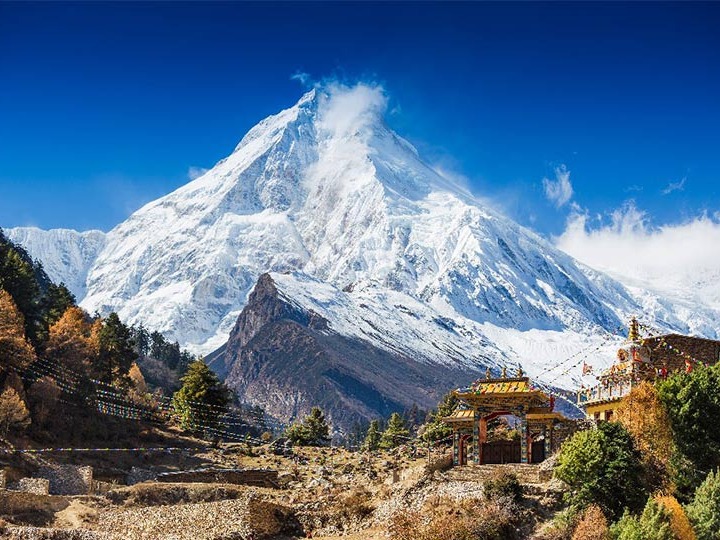
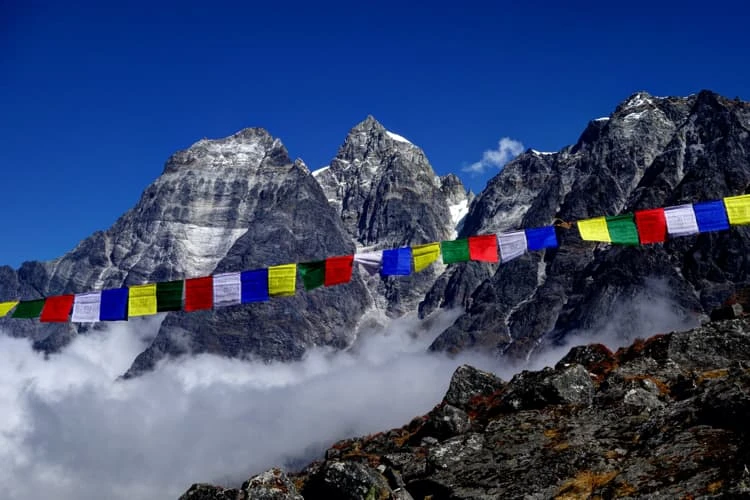
Mera Peak Climbing is one of the most rewarding Himalayan peak climbing adventures in Nepal, ideal for trekkers who want to step beyond high-altitude trekking and experience their first real mountaineering summit. Rising to around 6,470 m, Mera Peak is listed by the Nepal Mountaineering Association as a climbing peak in the Khumbu Himal region. The reference itinerary follows a 17-day route starting and ending in Lukla, passing through Paiya, Panggom, Ningsow, Chhatra Khola, Kothe, Thaknak, Khare, Mera High Camp, and returning via Zatrwa La Pass.
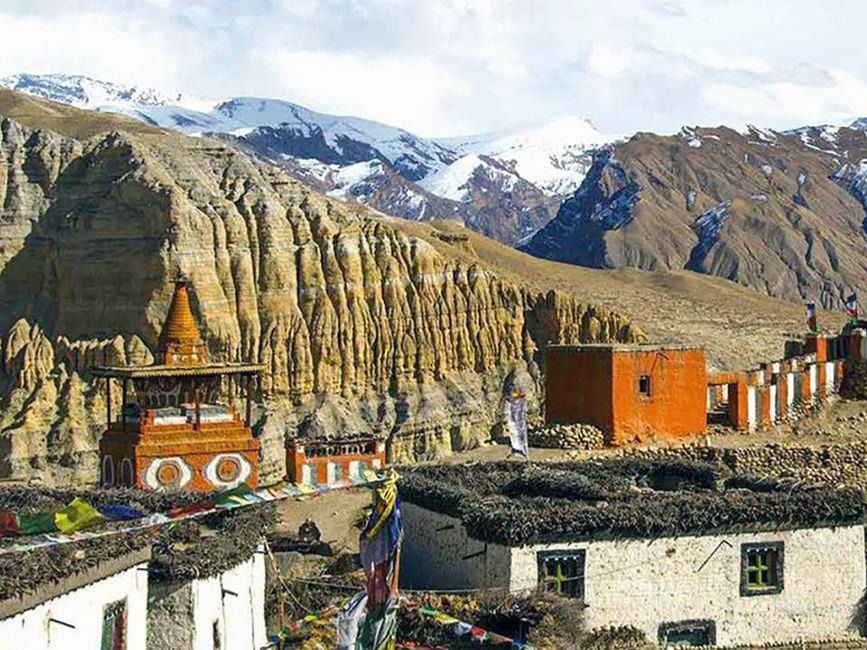
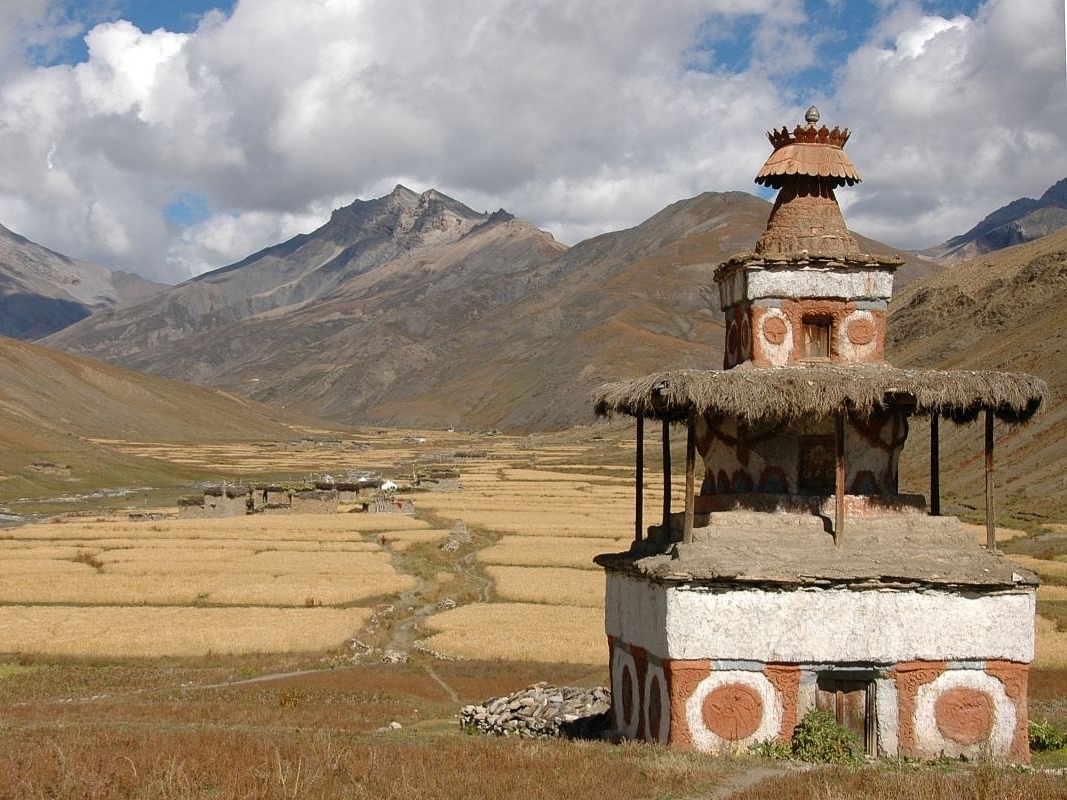
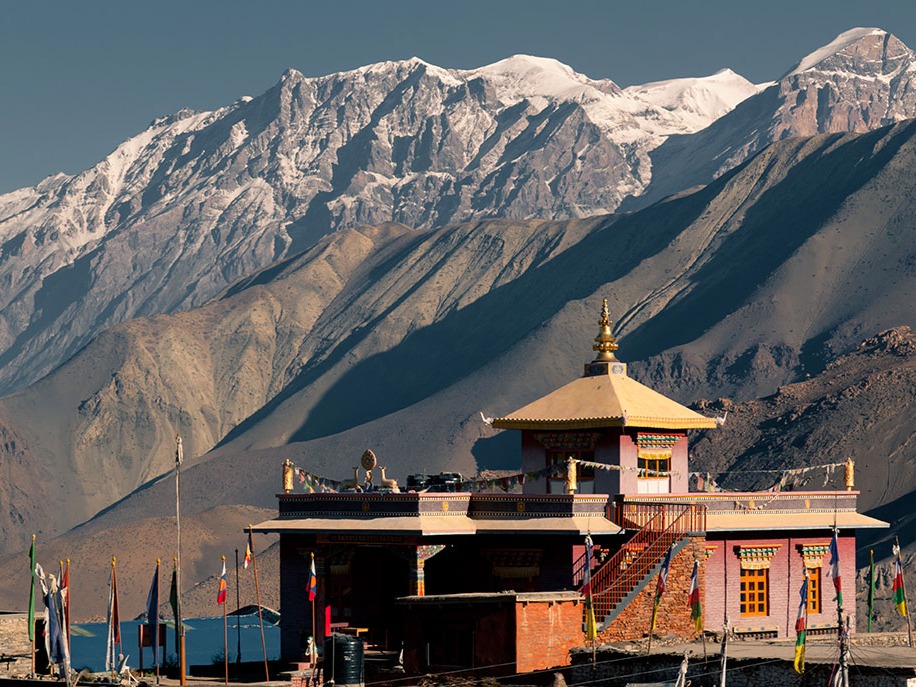
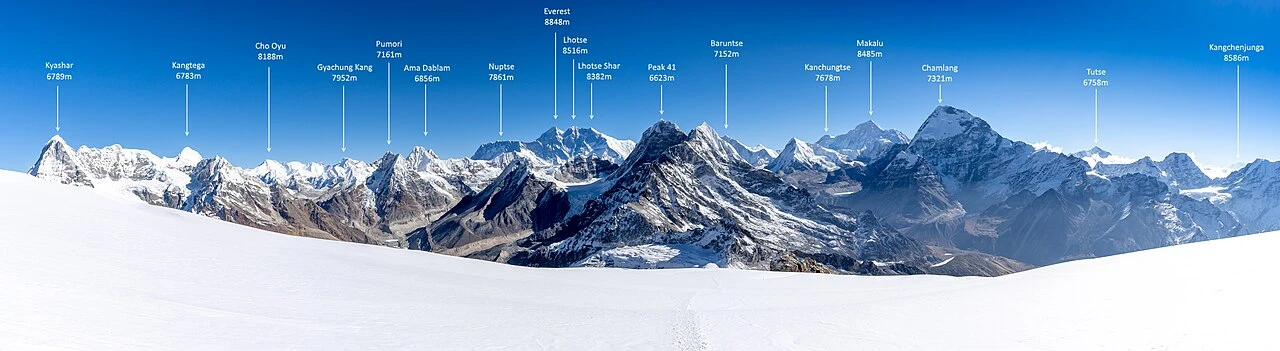
This adventure takes you away from the busier Everest Base Camp trail and into the remote beauty of the Hinku Valley. The journey combines forest trails, traditional settlements, alpine pastures, glaciers, high camps, and a spectacular summit day. From the summit area, climbers can enjoy panoramic views of some of the world’s highest mountains, including Everest, Lhotse, Makalu, Cho Oyu, and Kanchenjunga, which makes Mera Peak one of the finest viewpoints in the Himalayas. The reference package also highlights these five 8,000-meter peaks as major summit attractions.
Although Mera Peak is often described as a non-technical or beginner-friendly climbing peak, it is still a serious high-altitude climb. Climbers must walk on snow and glacier terrain using basic mountaineering equipment such as crampons, ice axe, harness, rope, and climbing boots. The route requires good fitness, proper acclimatization, experienced climbing guidance, and strong determination.
Mera Peak is one of the best Himalayan peaks for trekkers who want to begin their mountaineering journey. It is less technical than many other climbing peaks, but the altitude makes it a serious challenge. The climb gives you the experience of glacier travel, rope work, high camp life, early morning summit push, and standing above 6,000 meters.
This package is ideal for:
Nepal Tourism Board lists Makalu Barun National Park as a trekking and mountaineering area, with foreigner entry fee information shown as NPR 3,000 per person per entry. Nepal Mountaineering Association lists Mera Peak under Khumbu Himal with its climbing peak service charges.
The best time for Mera Peak Climbing is spring and autumn.
Spring is one of the best climbing seasons. The weather is generally stable, temperatures are more comfortable, and the lower forests may be filled with blooming rhododendrons. Visibility is usually good, especially in the morning.
Autumn is another excellent season for Mera Peak. The skies are usually clearer after the monsoon, and mountain views are outstanding. Nepal Tourism Board also lists October to November and March to April among the best seasons for Makalu Barun National Park.
Winter climbing is possible but very cold and more demanding. Monsoon season is less recommended because of rain, clouds, slippery trails, flight delays, and unstable mountain conditions.
For this Mera Peak route, the main permits usually include:
| # | Activity | Overnight | Distance / Time | Meals |
|---|---|---|---|---|
| Day 01 | Arrival in Kathmandu | Hotel | Not included | |
| Day 02 | Fly to Lukla and Trek to Paiya | Teahouse | 5 to 6 hours | Breakfast, Lunch, Dinner |
| Day 03 | Trek from Paiya to Panggom | Teahouse | 5 to 6 hours | Breakfast, Lunch, Dinner |
| Day 04 | Trek from Panggom to Ningsow | Teahouse | 4 to 5 hours | Breakfast, Lunch, Dinner |
| Day 05 | Trek from Ningsow to Chhatra Khola | Teahouse | 7 to 8 hours | Breakfast, Lunch, Dinner |
| Day 06 | Trek from Chhatra Khola to Kothe | Teahouse | 6 to 7 hours | Breakfast, Lunch, Dinner |
| Day 07 | Trek from Kothe to Thaknak | Teahouse | 3 to 4 hours | Breakfast, Lunch, Dinner |
| Day 08 | Trek from Thaknak to Khare | Teahouse | 2 to 3 hours | Breakfast, Lunch, Dinner |
| Day 09 | Acclimatization and Pre-Climb Training at Khare | Teahouse | Full day | Breakfast, Lunch, Dinner |
| Day 10 | Trek and Climb from Khare to Mera High Camp | Tented Camp | 6 to 7 hours | Breakfast, Lunch, Dinner |
| Day 11 | Summit Mera Peak and Return to Khare | Teahouse | 8 to 10 hours | Breakfast, Packed Lunch, Dinner |
| Day 12 | Contingency Day | Teahouse or Tented Camp | Flexible | Breakfast, Lunch, Dinner |
| Day 13 | Trek from Khare to Kothe | Teahouse | 4 to 5 hours | Breakfast, Lunch, Dinner |
| Day 14 | Trek from Kothe to Thuli Kharka | Teahouse | 5 to 6 hours | Breakfast, Lunch, Dinner |
| Day 15 | Trek from Thuli Kharka to Lukla via Zatrwa La Pass | Teahouse | 6 to 7 hours | Breakfast, Lunch, Dinner |
| Day 16 | Fly from Lukla to Kathmandu | Hotel | 35 to 40 minutes flight | Breakfast |
| Day 17 | Final Departure | Breakfast |
In Kathmandu, accommodation is arranged in a comfortable hotel. During the trekking route, accommodation is usually in teahouses where available. At Mera High Camp, tented camping is required because of the remote climbing environment.
Meals during the trek usually include dal bhat, noodles, soup, fried rice, pasta, potatoes, porridge, eggs, tea, coffee, and simple local meals. During the camping section, meals are prepared by the support crew. On summit day, climbers carry a packed lunch and warm drinks where possible.
Mera Peak Climbing is a challenging high-altitude adventure. It is not extremely technical compared with other Himalayan climbing peaks, but the altitude, glacier crossing, summit push, cold conditions, and long trekking days make it physically demanding.
You should be prepared for:
Previous trekking experience above 4,000 meters is highly recommended. Good cardiovascular fitness, leg strength, patience, and mental endurance are essential.
To book the Mera Peak Climbing, simply contact Gateway Adventure Treks and Expedition via our website or customer service for availability and detailed information. A 10% deposit is required at the time of booking to secure your spot, with the remaining balance due before the tour starts. Payments can be made through secure methods such as bank transfer, credit card, or online platforms. For cancellations or changes, Gateway Adventure Treks and Expedition provides clear guidelines, with partial refunds available depending on the timing. Be sure to review the booking terms and conditions to ensure a smooth process.
Though we recommend booking in advance to secure your spot on the tour, Gateway Adventure Treks and Expeditions accepts the last- minute bookings. For these bookings, full payment (100% of the tour price) is required at least 24 hours prior to departure. Please note that while we strive to offer flexibility, we cannot be responsible for any delays or unforeseen issues such as weather conditions or unavailable accommodations.
For last- minute bookings or inquiries, contact us at +977- 9851360663 or email us at info@gatewaytreks.com
Experience local culture
Best Price Guaranteed
Well-crafted itinerary
Free Sightseeing & Hotel
gatewaytreks@gmail.com





© Copyright Gateway Adventure Treks and Expedition Pvt. Ltd., 2026 All Rights Reserved