![Everest Base Camp Trek [Classic Route]](https://www.gatewaytreks.com/public/uploads/frontend/full/1758246008_everest-base-camp-trek-in-autumn.webp "Everest Base Camp Trek [Classic Route]")
![Everest Base Camp Trek [Classic Route]](https://www.gatewaytreks.com/public/uploads/frontend/main/everest-base-camp-trek-14-days-1743414043585.jpg "Everest Base Camp Trek [Classic Route]")
![Everest Base Camp Trek [Classic Route]](https://www.gatewaytreks.com/public/uploads/frontend/main/everest-base-camp-trek-14-days-1743414228777.jpg "Everest Base Camp Trek [Classic Route]")
![Everest Base Camp Trek [Classic Route]](https://www.gatewaytreks.com/public/uploads/frontend/main/everest-base-camp-trek-14-days-1743416163617.jpg "Everest Base Camp Trek [Classic Route]")
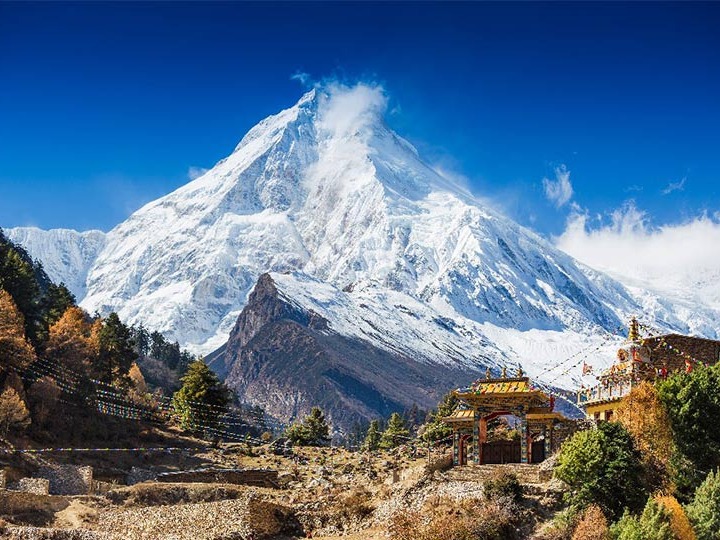
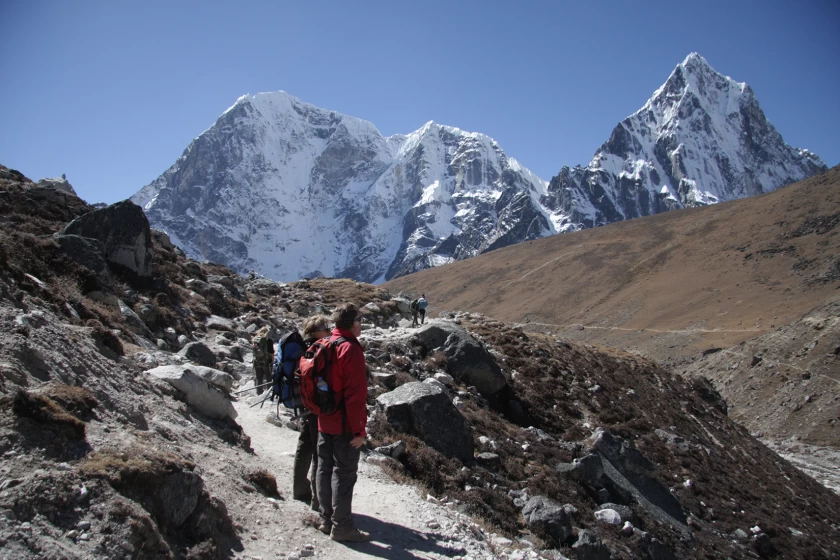
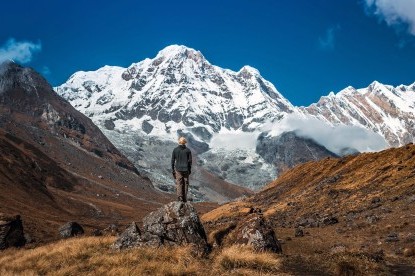
Everest Base Camp trek is among the most visited trekking destinations in the world with thousands of hikers visiting each year. For individuals who adore mountains and nature, the only possible choice would have been the Everest Base Camp Trekking.
 Certified
  Sustainable
  Best Price
  Challenge level
 Destination Destination
|
Nepal |
|---|---|
 Activity Activity
|
Trekking |
 Duration Duration
|
15 Days |
 Meals Meals
|
Breakfast, Lunch, Dinner during trek |
 Accomodation Accomodation
|
Hotel (Kathmandu), Teahouses (Trek) |
 Group size Group size
|
Small Private Group or large group option available |
 Best Season Best Season
|
Mar-May / Sep-Dec |
 Max Altitude Max Altitude
|
5,555m/18,192ft |
 Trip Code Trip Code
|
EBC14 |
|
Activity Per Day
|
5-6 hrs walk per day |
 Transportation Transportation
|
Private Vehicle & Flight |
 Grade Grade
|
Strenuous |
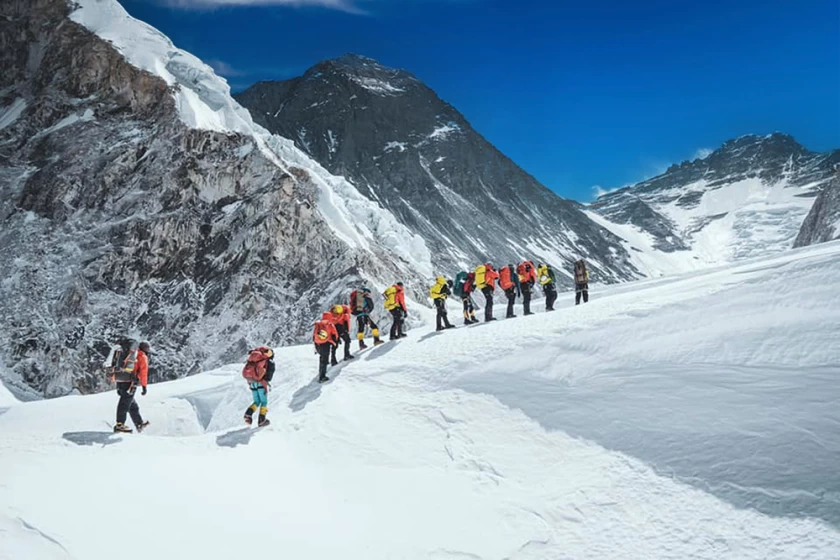
The Everest Base Camp Trek is more than just a trek; it is a once-in-a-lifetime journey into the world of the Himalayas, where towering peaks, ancient Sherpa culture, and personal transformation come together. Standing at the base of the world’s highest mountain, Mount Everest, is not just an achievement; it is an experience that stays with you forever.
At Gateway Adventure Treks and Expeditions, we design this journey not just as a route, but as a carefully crafted Himalayan experience. From your first step in Kathmandu to the breathtaking landscapes of Sagarmatha National Park, every moment is guided, supported, and elevated with expert care.
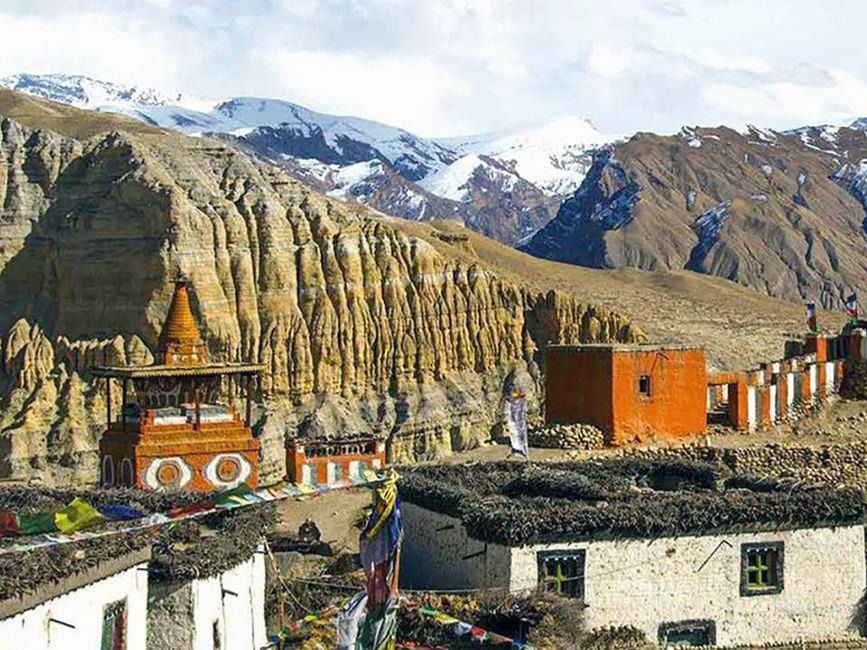
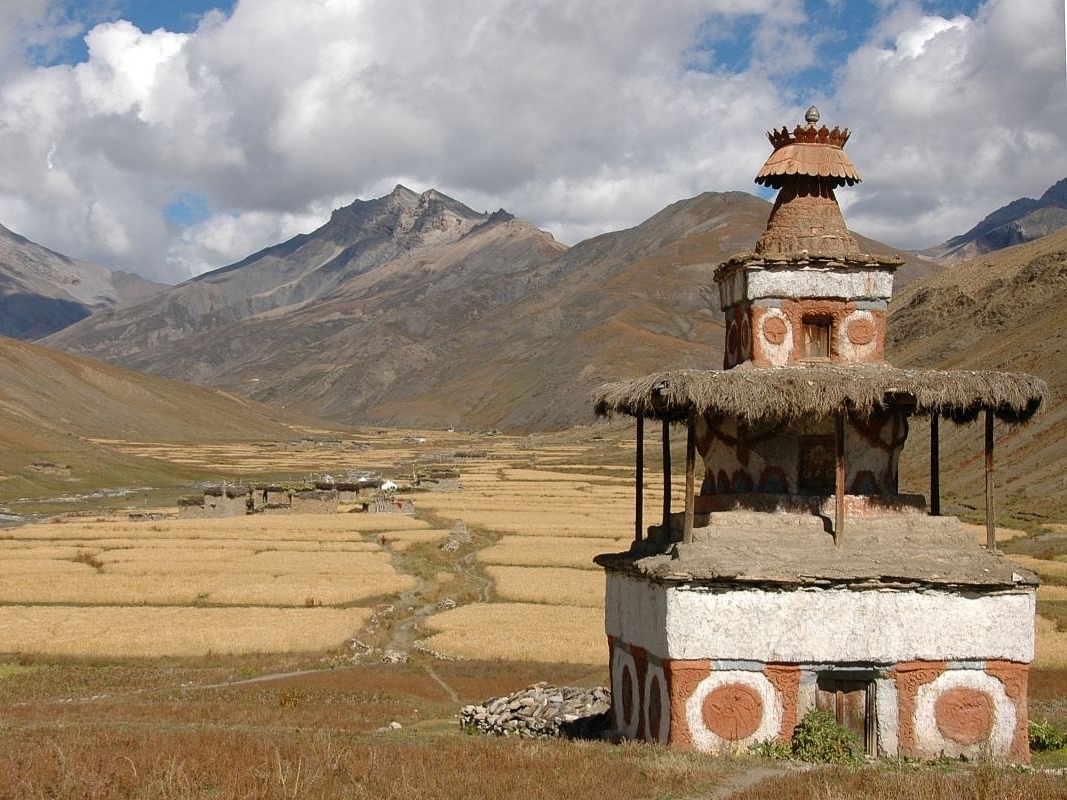
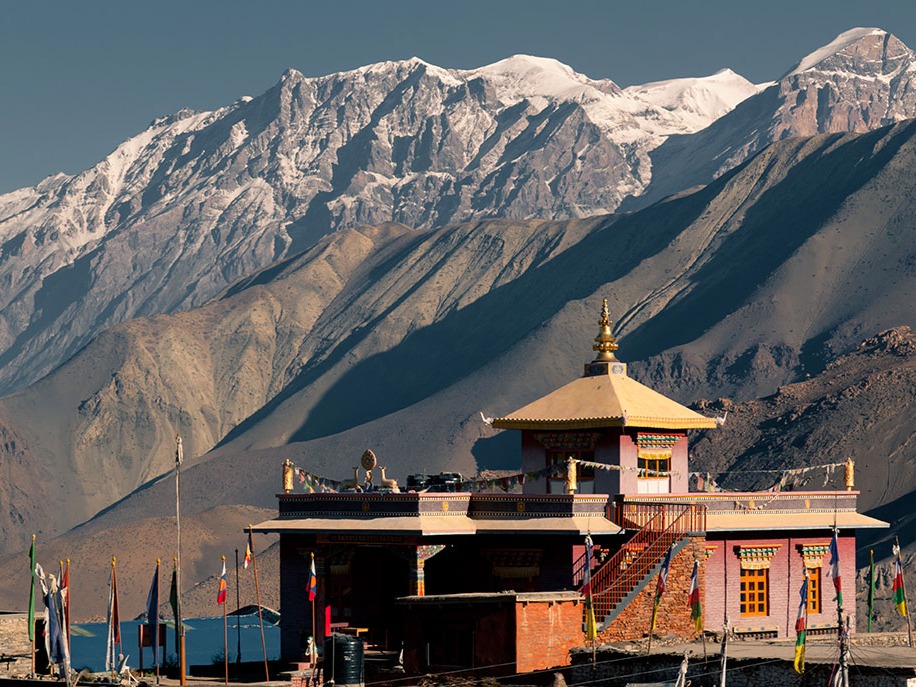
This trek takes you through vibrant mountain villages, suspension bridges over glacial rivers, and into the spiritual homeland of the Sherpa people. Along the way, you will witness iconic landmarks like Namche Bazaar, Tengboche Monastery, and finally reach Everest Base Camp itself.
The Everest Base Camp Trek is not just about reaching a destination, it is about the transformation that happens along the way.
You begin in bustling Kathmandu, surrounded by culture and history, and gradually ascend into a world where nature dominates everything. With each step, the air becomes thinner, the landscapes more dramatic, and your connection to the mountains deeper.
Trekkers often describe this journey as:
Reaching Everest Base Camp at 5,364 meters is a moment of immense pride, but the sunrise view from Kala Patthar is equally powerful, where Everest reveals itself in all its glory.
This classic Himalayan trek typically takes 12 to 14 days, allowing proper acclimatization and a safe ascent.
Key Highlights:
Each day offers a unique blend of adventure, scenery, and cultural discovery, making the journey as rewarding as the destination itself.
Understanding the cost structure helps international trekkers plan confidently. and avoid surprises.
Everest Trek generally Includes:
Additional Costs to Consider:
The Everest Base Camp Trek is considered a moderate to challenging trek, suitable for physically fit individuals with determination and preparation.
You do not need technical climbing skills, but mental strength and consistency are essential.
Safety is one of the most important concerns for international trekkers, and it is taken seriously at every stage of the journey.
With proper guidance and planning, the trek is safe and achievable.
Accommodation along the Everest Base Camp route is in traditional teahouses, offering a warm and authentic Himalayan experience.
While facilities are simple, the hospitality and atmosphere make the experience memorable.
Choosing the right season significantly enhances your experience.
Ideal Seasons:
Off-Season:
At Gateway Adventure Treks and Expeditions, we go beyond organizing treks, we create meaningful Himalayan journeys.
What Sets Us Apart:
We combine professionalism with genuine hospitality to ensure your Everest Base Camp Trek is unforgettable.
The Everest Base Camp Trek is not just about reaching a destination, it is about discovering your limits, embracing the journey, and experiencing the Himalayas in their purest form.
| # | Activity | Overnight | Max. Altitute | Distance / Time | Meals |
|---|---|---|---|---|---|
| Day 01 | Arrival at Kathmandu and transfer to Hotel. Trip preparation | Hotel in Kathmadu | 1350 m | 30 min drive | Dinner |
| Day 02 | Fly to Lukla (2866m) and Trek to Phakding (2,650m) | Teahouse | 2866 m | 45 min flight, 3-4 hr trek | B, L, D |
| Day 03 | Trek from Phakding to Namche Bazaar (3445m) | Teahouse | 3445 m | 5-6 hours | B, L, D |
| Day 04 | Acclimatization Hike (3,880 m) | Hotel/Lodge | 3-4 Hours | B, L, D | |
| Day 05 | Trek from Namche to Tengboche (3870m) | Teahouse | 3870 m | 5-6 Hours | B, L, D |
| Day 06 | Trek from Tengboche to Dingboche (4410m) | Hotel/Lodge | 4410 m | 5-6 | B,L,D |
| Day 07 | Acclimatizion at Dingboche (4410m) | Teahouse | 4730 m | 4-5 Hours | B, L, D |
| Day 08 | Dingboche to Lobuche (4,900 m) | Hotel/Lodge | 4900 m | B, L, D | |
| Day 09 | Lobuche to Gorak Shep (5,160 m) – Everest Base Camp (5,364 m) – Return to Gorak Shep | Hotel/Lodge | 5364 m | ||
| Day 10 | Trek from Gorak Shep to Kala Patthar (5555 m) and down to Pheriche (4,200 m) | Hotel/Lodge | 5555 m | B, L, D | |
| Day 11 | Trek from Pheriche to Namche Bazaar | Hotel/Lodge | B, L, D | ||
| Day 12 | Namche Bazaar to Lukla | Hotel/Lodge | 2800 m | 6-7 | |
| Day 13 | Fly back to Kathmandu. | Hotel/Lodge | 1350 m | B, L, D | |
| Day 14 | Free Day in Kathmandu | Hotel/Lodge | |||
| Day 15 | Departure from Kathmandu | Hotel/Lodge |
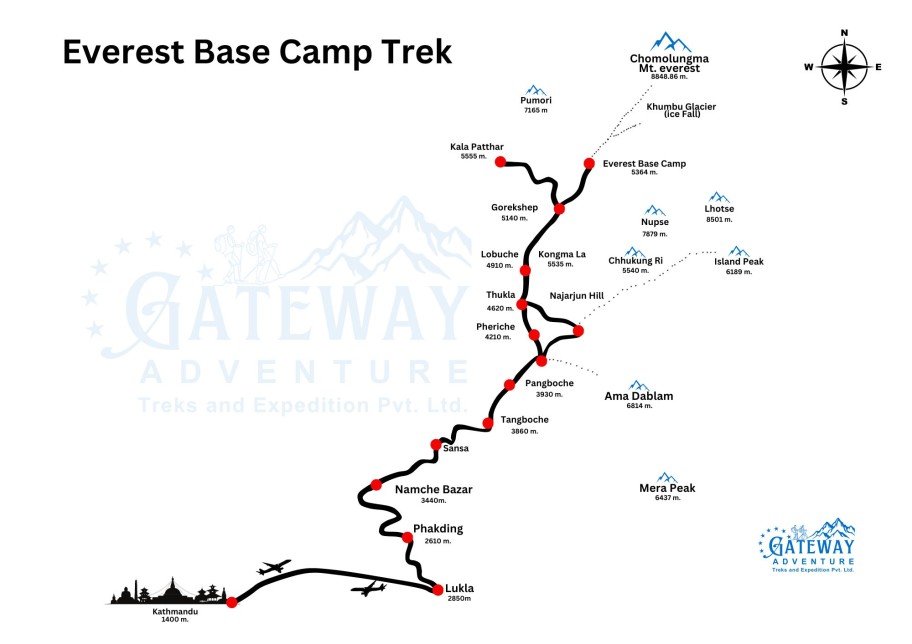
Kathmandu-Lukla-Phakding-Namche Bajar-Tengboche-Dingboche-Lobuche-Gorakhshep-Kalaptthar-Everest Base camp-Lukla-Kathmandu
Welcome to Kathmandu. Upon arrival at Tribhuvan International Airport, our representative will greet you and transfer you to your hotel.
In the evening, meet your guide for a detailed briefing about the trek, safety protocols, and final preparations. Enjoy a welcome dinner featuring authentic Nepali cuisine.
Our adventure begins early in the morning with a drive to either Tribhuvan Domestic Airport in Kathmandu or Ramechhap Airport, depending on seasonal flight arrangements.
We board a short but scenic 15–35 minute mountain flight to Tenzing-Hillary Airport in Lukla, one of the most thrilling airstrips in the world. The flight offers stunning views of Himalayan peaks, valleys, and terraced hillsides.
Upon landing, you’ll meet your porters and Sherpa crew. We’ll reorganize our gear over breakfast before beginning a gentle 3-hour trek to Phakding. The trail leads through a Kani (ceremonial gate), past Kyangma village with its monastery and school, and continues through Cheplung village, offering glimpses of the Dudh Koshi River. We cross suspension bridges, pass prayer wheels, Mani walls, and chortens, and walk through pine forests before reaching Ghat village. A short walk further brings us to Phakding.
After breakfast, we set off along the Dudh Koshi River, crossing several suspension bridges adorned with colorful prayer flags. The trail passes through Toktok and Bhenkar, offering great views of Thamserku Peak, and continues to Monjo, the gateway to Sagarmatha National Park. Here, we register our permits before entering this UNESCO World Heritage Site, known for its rich natural and cultural heritage.
From Monjo, we descend to Jorsalle for lunch. The trail then follows the river, crossing more suspension bridges, including the iconic Hillary Suspension Bridge. After the bridge, we tackle a steep ascent, rewarded by our first glimpse of Mount Everest (weather permitting) from Topdanda.
We arrive in Namche Bazaar, the vibrant hub of the Khumbu region. This Sherpa capital is surrounded by mountains and offers shops, cafés, bakeries, ATMs, and a weekly market (on Saturdays). After today’s challenging walk, you can choose to rest or explore the town’s winding streets.
Although called a “rest day,” acclimatization is about staying active to help your body adjust to the thinner air. Namche Bazaar is an ideal place for this — a vibrant Sherpa town buzzing with cafés, bakeries, gear shops, ATMs, and markets. If you’re lucky, you may catch the Haat Bazar on Friday evening or Saturday morning, where locals from surrounding villages gather to trade goods.
After breakfast, we set out on a short but rewarding hike. Several acclimatization options are available today:
Along the way, expect breathtaking panoramas of Kangtega, Kwangde, Nuptse, Ama Dablam, and Thamserku. We’ll pass prayer flags, chortens, and traditional Sherpa houses, and stop by the Sagarmatha National Park Visitor Center and Sherpa Culture Museum to learn about Everest’s first climbers, local flora and fauna, and Sherpa heritage.
By mid-afternoon, we return to Namche Bazaar. The rest of the day is free to explore the town, it’s the last major stop with reliable Wi-Fi, cafés, and well-stocked shops before we head deeper into the Khumbu. Rest up tonight, as tomorrow’s trek will take us higher.
After breakfast, leave Namche Bazaar and follow a scenic ridgeline trail with stunning views of Mount Everest, Lhotse, Nuptse, and Ama Dablam. The path begins with a gentle climb before leveling out into one of the most beautiful sections of the trek.
The trail then descends through pine and rhododendron forests to the Dudh Koshi River. After crossing a suspension bridge, you stop for lunch at Punggi Thanga before beginning a steady uphill climb. Along the way, you may spot wildlife such as musk deer or the colorful danphe.
Passing through Sansa, the junction of the Gokyo and Everest Base Camp routes, you continue the final gradual ascent to Tengboche. This small village is home to the famous Tengboche Monastery, set against a spectacular Himalayan backdrop.
If you visit in October or November, you might witness the Mani Rimdu festival, one of the most important Buddhist celebrations in the region.
The final stretch is a gradual but steady climb on dusty trails that brings you to the entrance gate of Tengboche. This small village is famous for its beautiful monastery, set against the backdrop of Nuptse, Lhotse, Everest, and the iconic Ama Dablam.
After checking in, visit the monastery and enjoy a peaceful sunset over the surrounding peaks before returning to your lodge.
After breakfast, you may visit Tengboche Monastery before beginning the day’s trek. The trail descends through rhododendron and conifer forests before crossing the Imja Khola via a suspension bridge.
From here, the route gradually ascends through Pangboche village, passing yak pastures and traditional Sherpa settlements. Along the way, you are rewarded with close-up views of Ama Dablam, one of the most iconic peaks in the Himalayas.
After a lunch stop near a scenic viewpoint, the landscape opens into the wide Imja Valley. Vegetation becomes sparse as you enter higher alpine terrain, with expansive views of Lhotse and Island Peak.
Dingboche, set in a beautiful high-altitude valley, is the last major settlement before the upper Khumbu region and serves as an important acclimatization stop. If time allows, a short hike above the village offers even more impressive panoramic views.
“Your guide may adjust the route slightly depending on weather, group pace, and safety conditions.”
Today is your second acclimatization day, allowing your body to adjust to the thinner air before heading higher into the Khumbu. Rather than resting completely, you will take an active acclimatization hike.
After breakfast, hike toward Chhukung (4,730 m), a small settlement at the head of the Imja Valley surrounded by some of the region’s most impressive peaks, including Ama Dablam, Lhotse, Nuptse, Thamserku, and Kangtega. The trail passes stone walls, prayer flags, and open alpine terrain, with constant views of the surrounding mountains.
If conditions are favorable and you are feeling strong, the hike can be extended to Chhukung Ri (5,540 m), a spectacular viewpoint with panoramic views of Lhotse, Nuptse, Makalu, the Barun Valley, and the upper Imja Valley.
After lunch, return to Dingboche and spend the rest of the afternoon resting and preparing for the higher section of the trek. With its peaceful setting, stone-walled fields, and dramatic mountain backdrop, Dingboche is an ideal place for acclimatization.
Highlight: Acclimatization hike with panoramic views of Ama Dablam, Lhotse, Nuptse, Thamserku, and Kangtega
After breakfast with views of the surrounding peaks, you set out northwest from Dingboche, passing small monasteries and stone-walled fields. Two towering peaks, Taboche and Arakam Tse, dominate the left side of the valley as the trail gradually ascends through a sparse, shrub-covered landscape.
You continue at a steady pace toward Thukla, where a few teahouses offer a welcome lunch stop. From here, the real challenge begins: a steep zigzag climb to Dughla Pass (4,830 m). At the top lies the memorial park, a solemn collection of chortens and plaques honoring mountaineers who lost their lives on Everest, Lhotse, and other Himalayan giants.
From the pass, the trail follows the lateral moraine of the Khumbu Glacier, offering your first close-up views of this massive river of ice. The glacier stays in sight for much of the remaining walk, accompanied by the sounds of ice cracking and shifting far below. The thin air makes the final stretch to Lobuche slow and demanding, but the scenery is spectacular, rugged peaks, icy ridges, and the immense glacier at your side.
Lobuche is a small settlement huddled beneath high summits, marking one of the last overnight stops before reaching Everest Base Camp.
Today is one of the most anticipated moments of the trek, reaching the legendary Everest Base Camp.
After breakfast, you set out from Lobuche along a mostly flat but rocky trail that gradually ascends through the moraine of the Khumbu Glacier. The path winds over rugged glacial debris, with spectacular views of Nuptse, Pumori, and other high peaks framing the way. You cross the Changri Glacier before arriving at Gorak Shep (5,160 m), a small settlement surrounded by some of the world’s highest mountains.
At Gorak Shep, you check into your teahouse, have lunch, and prepare for the final push to Everest Base Camp. The afternoon hike follows a winding path along the glacier until you arrive at the base camp, a remarkable site marked by colorful prayer flags, rock cairns, and the seasonal tents of climbing expeditions. Here, you’ll take in sweeping views of the Khumbu Icefall and surrounding Himalayan giants, though the summit of Everest itself remains hidden behind nearby ridges.
After soaking in the atmosphere and capturing plenty of photos, you retrace your steps back to Gorak Shep for the night. This is a challenging day due to the high altitude, but standing at the foot of the world’s highest mountain is an unforgettable milestone in your journey.
Today is one of the most rewarding days of the trek. We start before sunrise, climbing steadily along rocky trails to reach Kala Patthar, the highest point of our journey. The hike takes around three hours and offers the most spectacular panoramic view in the Everest region — a golden sunrise over Mount Everest, Nuptse, Lhotse, Pumori, and the Khumbu Glacier below.
After taking in the views and capturing photos, we descend back to Gorak Shep for breakfast. With our hearts full and the biggest climb behind us, we begin the trek down to Pheriche. The descent is steady, leading us from the stark high-altitude terrain into the more peaceful alpine valley.
Today marks the second-to-last day of the Everest Base Camp trek. The hike covers about 20 km, so we’ll start early to make the most of the day. Since we’re descending to a lower altitude, the walk feels easier despite its length.
We’ll retrace our steps through stunning landscapes and traditional villages. Along the way, we’ll pause at Pangboche village for a short rest with great panoramic views.
The trail first takes you down steep, dusty paths from Pheriche, gradually descending to Debuche, where the air starts to feel warmer. After a short climb to Tengboche, we descend again to Pungi Thenga. The mountains here offer beautiful views.
After lunch, you’ll cross a suspension bridge over the river and continue through a mix of uphill and downhill sections with several more suspension bridges. Eventually, you’ll reach Namche Bazaar.
Back in Namche, you can relax and enjoy the lively town atmosphere, visiting cafes or shops. This day’s trek also takes you through forests where you might spot wildlife like pheasants, musk deer, or mountain goats. You’ll see plenty of prayer flags and chortens along the way. This is your last chance to catch a glimpse of Mount Everest before the trek ends.
On the final day of trekking, we descend from Namche Bazaar back to Lukla, passing through the lush landscapes that have been part of your Everest journey. As you walk familiar paths, crossing the Hillary Suspension Bridge and moving through local villages like Jhorsale, a strong sense of accomplishment sets in.
The trek follows the Dudh Koshi River Valley and nearby trails, winding through yak pastures, forests filled with colorful rhododendrons, and scenic spots with waterfalls, prayer flags, and traditional walls. You’ll stop for lunch along the way before continuing the steady climb to Lukla.
This is a long day, so we’ll start right after breakfast. Once in Lukla, you can freshen up and relax at the teahouse. This will likely be your last night in the Khumbu region—a moment to celebrate completing this amazing journey.
We start the day with an early morning flight from Lukla back to Kathmandu, offering one last chance to enjoy the stunning Himalayan views. Once you arrive in Kathmandu, you’ll be transferred to your hotel. This day is perfect for relaxing or exploring the city’s vibrant culture and attractions at your own pace.
Depending on the trekking season, your flight route may vary. During peak months like March to May and September to November, you’ll likely fly from Lukla to Manthali and then take a drive to Kathmandu. In other months—December through February and June to August—the flight usually goes directly to Kathmandu.
After a busy 12-13 days in the mountains, it’s time to unwind. You’ll wake early, say goodbye to the mountains, and catch your flight. Once back in Kathmandu, the guide will escort you to your hotel, and the rest of the day is yours to enjoy. Whether you want to visit shops, try local restaurants, or just relax, it’s your time.
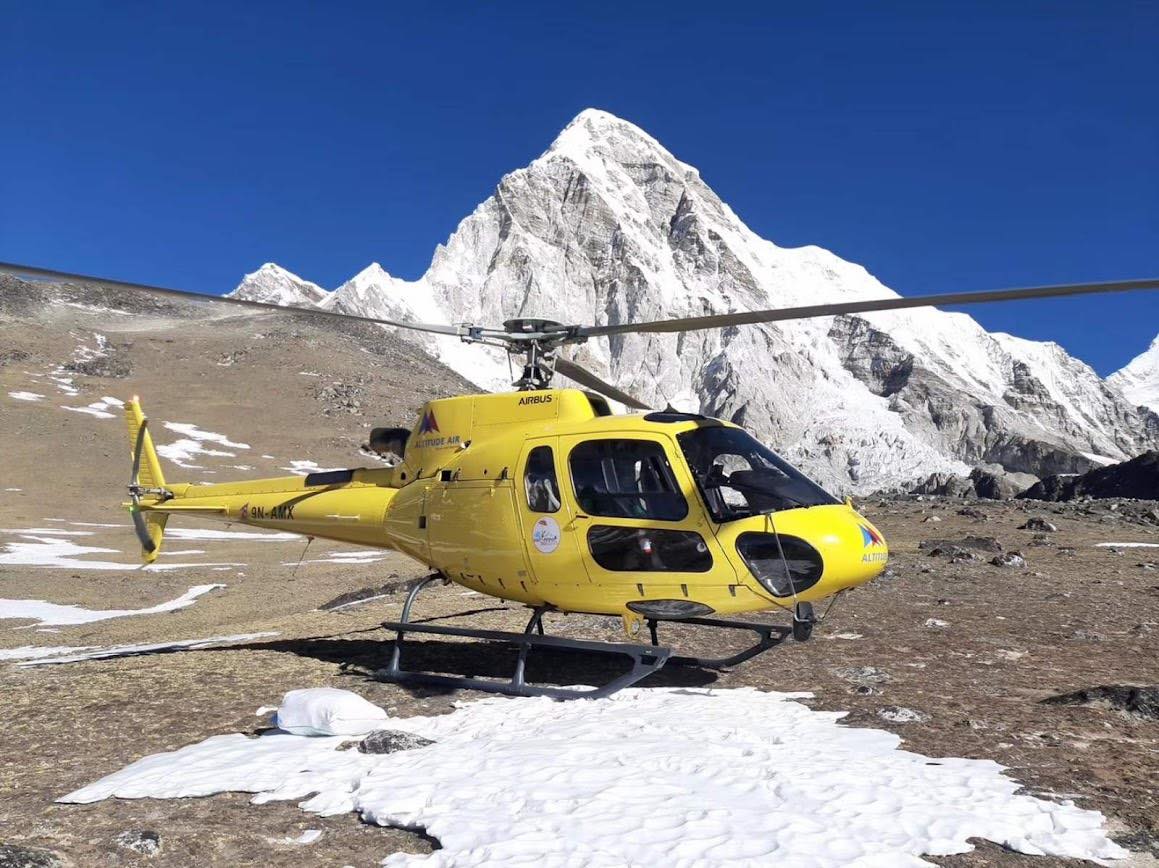
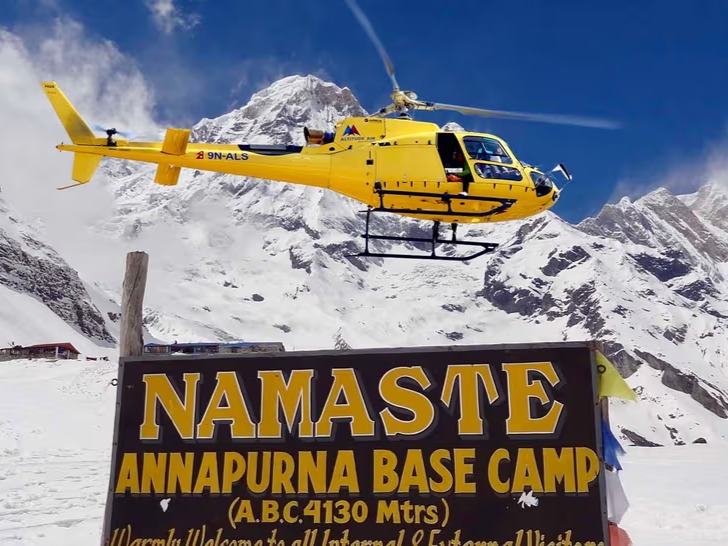
If you prefer to avoid the Lukla-Manthali-Kathmandu route, helicopter transfers are available for around $550 per person, shared by a group of five.
Please note that flights from Lukla may be delayed or canceled due to weather conditions, such as fog or strong winds. Our team in Lukla and Kathmandu will do everything possible to minimize any inconvenience, so your patience is appreciated.
In the evening, we will arrange a farewell dinner to celebrate your successful journey.
We’ll spend our final day in Kathmandu exploring the rich cultural heritage of the city at our own pace. We can visit iconic historical landmarks such as Boudhanath Stupa, Swayambhunath (Monkey Temple), and Pashupatinath Temple, immersing ourselves in the spiritual and architectural wonders of Nepal. Alternatively, we can take time to shop for souvenirs or simply relax and enjoy the vibrant atmosphere of the city. This free day allows us to fully soak in the culture and history of Nepal before our departure, rounding off our unforgettable Nepal vacation.
As your Nepal trip comes to an end, you may have some free time for last-minute shopping or a final walk around Kathmandu. When it’s time, our representative will transfer you to the airport for your flight home, closing your unforgettable Everest Base Camp trek and Nepal adventure.
To avoid missing flights, we recommend keeping 2 to 3 extra days at the end of your trip. Flights from Lukla often face delays or cancellations due to weather. If everything goes smoothly, you could use the extra days to visit Chitwan National Park, go rafting on the Trishuli River, explore Pokhara, or relax with yoga and a massage.
If flights are canceled for more than three days, we’ll adjust your itinerary with an alternative trek to make sure you get the most out of your time here. Also, having travel insurance that covers helicopter rescues, flight delays, or cancellations is highly recommended.
Packing the right gear is critical for comfort and safety in the mountains.
Must-Have Items:
A well-prepared trekker is a confident trekker.
![Everest Base Camp Trek [Classic Route] - Gateway Adventure Treks and Expedition](https://www.gatewaytreks.com/public/uploads/frontend/full/everest_base_camp_trek_14_days_1743417206391.jpg "Everest Base Camp Trek [Classic Route] - Gateway Adventure Treks and Expedition")
The best time to trek to Everest Base Camp is during the Autumn and Spring seasons, as the climate is favorable and the trekking route is rich in luscious greens. For a safe, memorable, and incredible experience, plan a trek between mid-September and November or March and June.
However, the trek is possible all around the year. As long as you can avoid rainstorms and sustain extreme temperatures, you can ascend during colder months to avoid the crowd.
To trek to Everest Base Camp, you will require a moderate fitness level since you will walk at least 6-7 hours a day. You will also require good cardiovascular endurance and muscular strength to ascend easily through rough terrain.
If you aren’t somebody who doesn’t perform physical training regularly, it is better to start training at least ¾ months in advance. Ensure you include cardio, flexibility exercises, and strength training in your workout to prepare your body for the EBC trek.
You will require two passes, the Sagarmatha National Park Entry Permit and the Khumbu Pasang Lhamu Municipality Entry Permit to trek through the Everest region. Apart from these, you can get the optional Gaurishankar Conservation Area permit if you hike from JirI to Everest.
These passes can be obtained easily from the Tourism Board of Nepal or from the Lukla or Monjo check post if you are already in Lukla.
A standard 15-day EBC trek package costs approximately $1940 per person. However, the cost may vary depending on how food and accommodation are customized, the variation of the trekking package, and the routes you choose.
The trekking cost doesn’t include any personal expense or charge for the services made upon request. Please check the packages for the price and find the amenities/services offered.
To book the Everest Base Camp Trek [Classic Route], simply contact Gateway Adventure Treks and Expedition via our website or customer service for availability and detailed information. A 10% deposit is required at the time of booking to secure your spot, with the remaining balance due before the tour starts. Payments can be made through secure methods such as bank transfer, credit card, or online platforms. For cancellations or changes, Gateway Adventure Treks and Expedition provides clear guidelines, with partial refunds available depending on the timing. Be sure to review the booking terms and conditions to ensure a smooth process.
Though we recommend booking in advance to secure your spot on the tour, Gateway Adventure Treks and Expeditions accepts the last- minute bookings. For these bookings, full payment (100% of the tour price) is required at least 24 hours prior to departure. Please note that while we strive to offer flexibility, we cannot be responsible for any delays or unforeseen issues such as weather conditions or unavailable accommodations.
For last- minute bookings or inquiries, contact us at +977- 9851360663 or email us at info@gatewaytreks.com
Experience local culture
Best Price Guaranteed
Well-crafted itinerary
Free Sightseeing & Hotel
gatewaytreks@gmail.com







© Copyright Gateway Adventure Treks and Expedition Pvt. Ltd., 2026 All Rights Reserved