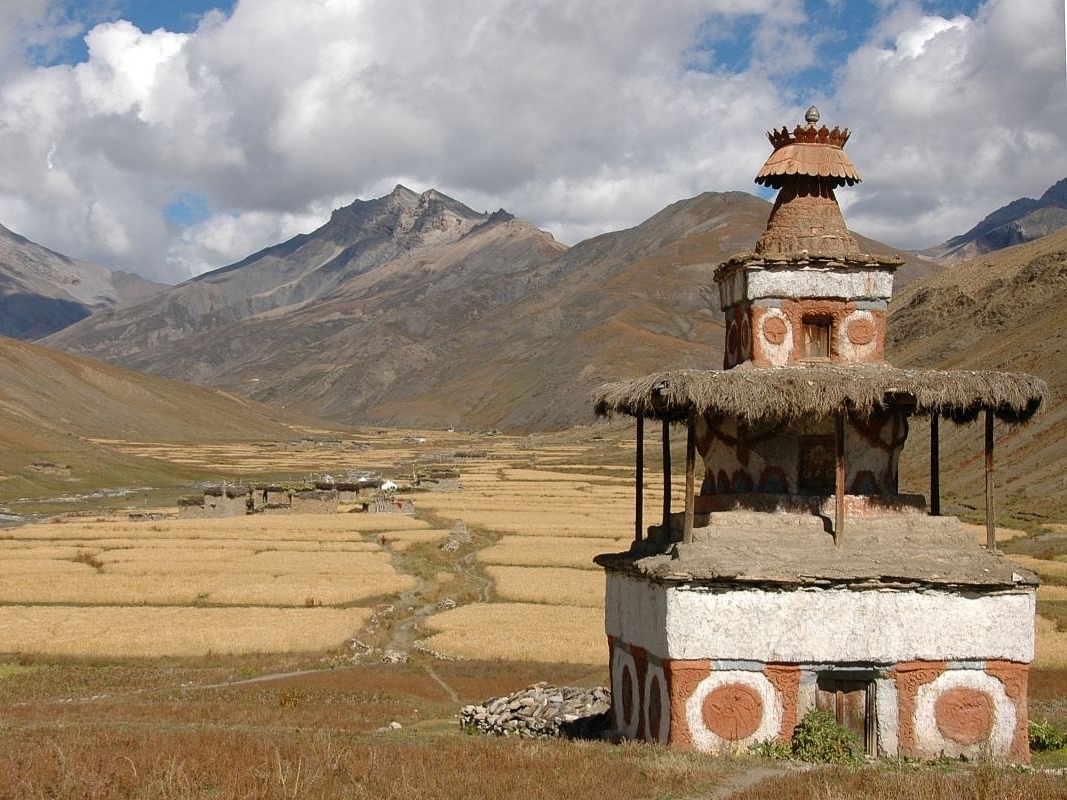
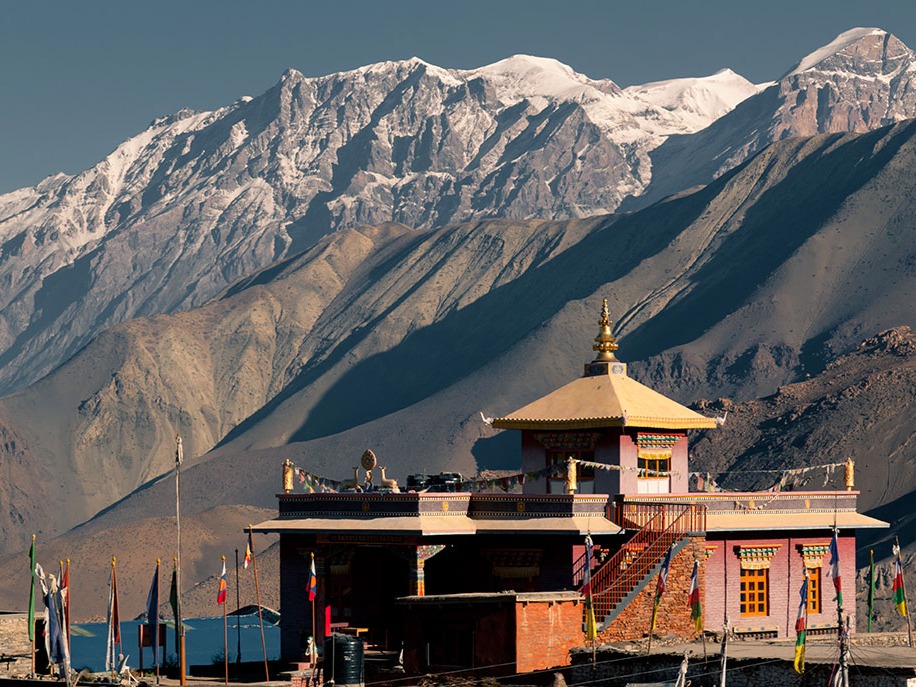
Nestled in the northern reaches of Nepal, bordering Tibet, lies the mystical Tsum Valley - a remote and pristine Himalayan sanctuary that offers trekkers a rare blend of breathtaking landscapes, rich cultural heritage, and profound spiritual experiences. Far from the well-trodden routes, the Tsum Valley trek is a journey into a timeless world where nature and tradition exist in harmony, untouched by modern life.
In this comprehensive guide, we explore why trekking the hidden trails of Tsum Valley should be on every adventurer’s bucket list. From the unique cultural heritage to breathtaking landscapes and practical trekking tips, you’ll get everything you need to plan an unforgettable journey.
Tsum Valley is part of the larger Ganesh Himal region and is often called a "hidden kingdom" due to its inaccessibility and preservation of ancient Tibetan Buddhist culture. The valley’s isolation has protected it from over-tourism, making it a unique destination for trekkers seeking solitude, spirituality, and authentic cultural encounters.
This trek combines moderate physical challenge with rewarding vistas of snow-capped peaks, dense forests, and traditional Tibetan villages. But it is the cultural and spiritual richness that truly sets Tsum Valley apart, inviting travelers to immerse themselves in a living Buddhist heritage.
Unlike the popular Everest or Annapurna circuits crowded with tourists, Tsum Valley remains a remote, less-explored sanctuary where tradition thrives. This sacred valley was only opened to tourism in 2008, making it a pristine area for travelers seeking tranquility, spirituality, and authentic Himalayan culture.
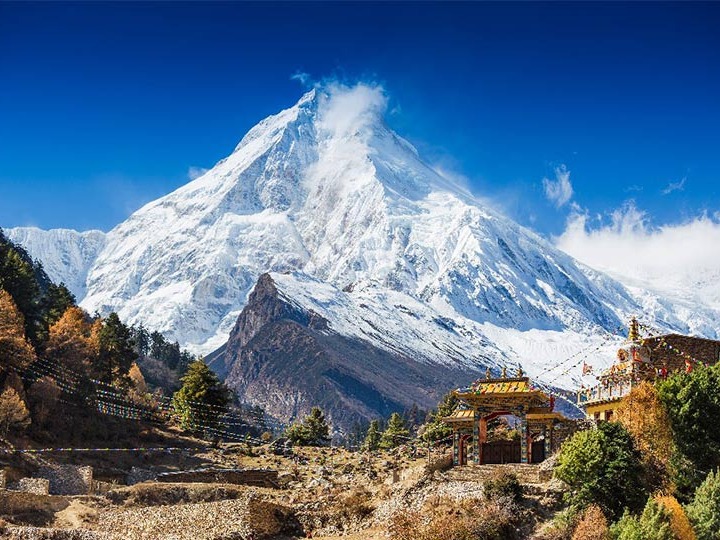
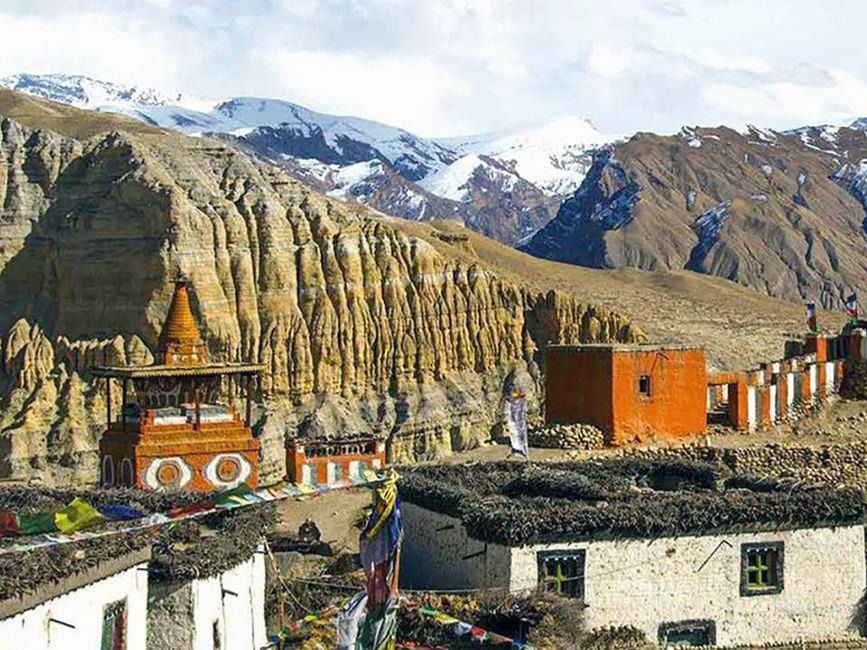
The villages of Chumchet, Chhekampar, and Chhokangparo showcase unique Tibetan-style architecture with stone houses, prayer walls, and fluttering prayer flags. Local inhabitants- Tsumpas maintain their traditional lifestyle, largely untouched by modernity.
2. Spiritual and Cultural Richness
Tsum Valley is home to around 4,000 people, mainly followers of Tibetan Buddhism. The valley is dotted with ancient monasteries, prayer walls, and mani stones, many dating back centuries. Pilgrims and locals alike visit the valley’s sacred sites, including:
The residents preserve their cultural identity with traditional festivals like the Tsum sacred mask dance and other ritual ceremonies, providing trekkers a rare window into Tibetan Buddhist life.
3. Pristine Natural Beauty
The valley lies between 1,900 and 3,700 meters above sea level, offering breathtaking vistas of snow-capped peaks including Ganesh Himal, Boudha Himal, and Sringi Himal. The valley’s lush forests, alpine meadows, and sparkling rivers create a perfect trekking environment for nature lovers.
The diverse flora and fauna of the region include rare species such as red pandas, Himalayan black bears, and various colorful birds, making it a nature enthusiast’s paradise.
Tsum Valley is often described as a living museum of Tibetan Buddhist culture, largely untouched by modernization. This remote Himalayan sanctuary has maintained its spiritual identity through centuries of isolation and reverence for its sacred heritage. For trekkers, it’s not just the breathtaking landscapes but the deeply immersive cultural and religious experience that makes this journey truly unique.
The people of Tsum Valley are predominantly Tibetan Buddhists belonging to the Nyingma school, the oldest of the four major schools of Tibetan Buddhism. Their daily lives revolve around religious practices, rituals, and festivals that have remained largely unchanged for hundreds of years.
Monasteries here are the spiritual heart of the communities. These sacred sites are centers of learning, meditation, and cultural preservation. Pilgrims come from across Nepal and Tibet to seek blessings, meditate, and perform rituals in these hallowed places.
Tsum Valley hosts vibrant religious festivals that bring its deeply spiritual culture to life:
Beyond formal religious practice, the valley’s culture is deeply woven into everyday life. The Tsumpas (inhabitants of Tsum Valley) maintain a traditional lifestyle based on agriculture, animal husbandry, and handicrafts, all underpinned by Buddhist values of compassion and respect for nature.
These permits are necessary to preserve the valley’s fragile ecosystem and sacred heritage.
Best Time to Visit
The ideal trekking seasons are spring (March to May) and autumn (September to November) when the weather is clear, and the views are spectacular.
What to Pack
Teahouses and lodges along the route offer basic but comfortable accommodations. The local diet consists of traditional Tibetan and Nepali dishes like dal bhat, momos, and thukpa, prepared fresh by welcoming host families.
Trekking the hidden trails of Tsum Valley is more than a hiking adventure- it is a soulful journey into the heart of a sacred Himalayan sanctuary. The untouched landscapes, rich culture, and peaceful ambiance create an experience that is both transformative and unforgettable.
If you’re ready to explore Nepal’s hidden treasures and experience a trek off the beaten path, the Tsum Valley awaits. Embrace the adventure, spirituality, and natural beauty that define this magical valley.










© Copyright Gateway Adventure Treks and Expedition Pvt. Ltd., 2026 All Rights Reserved