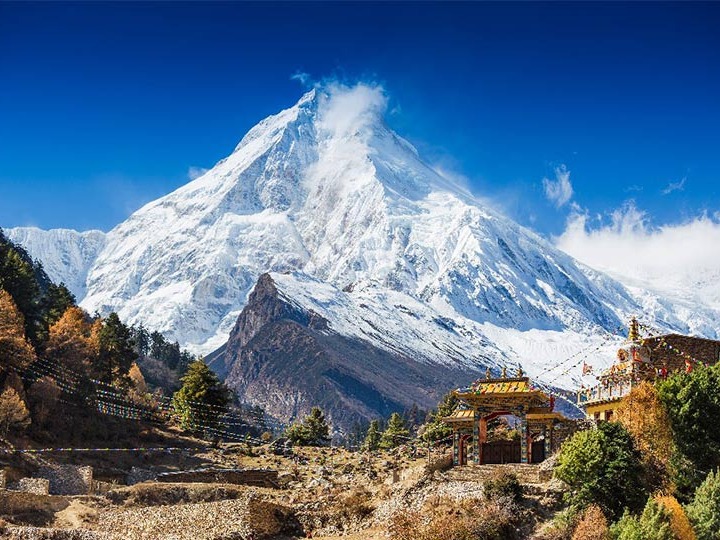
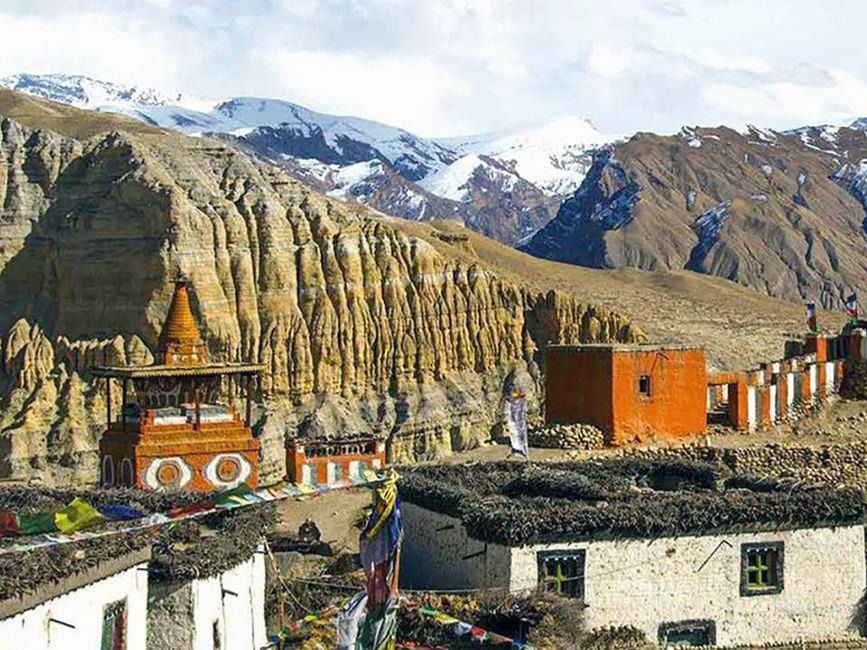
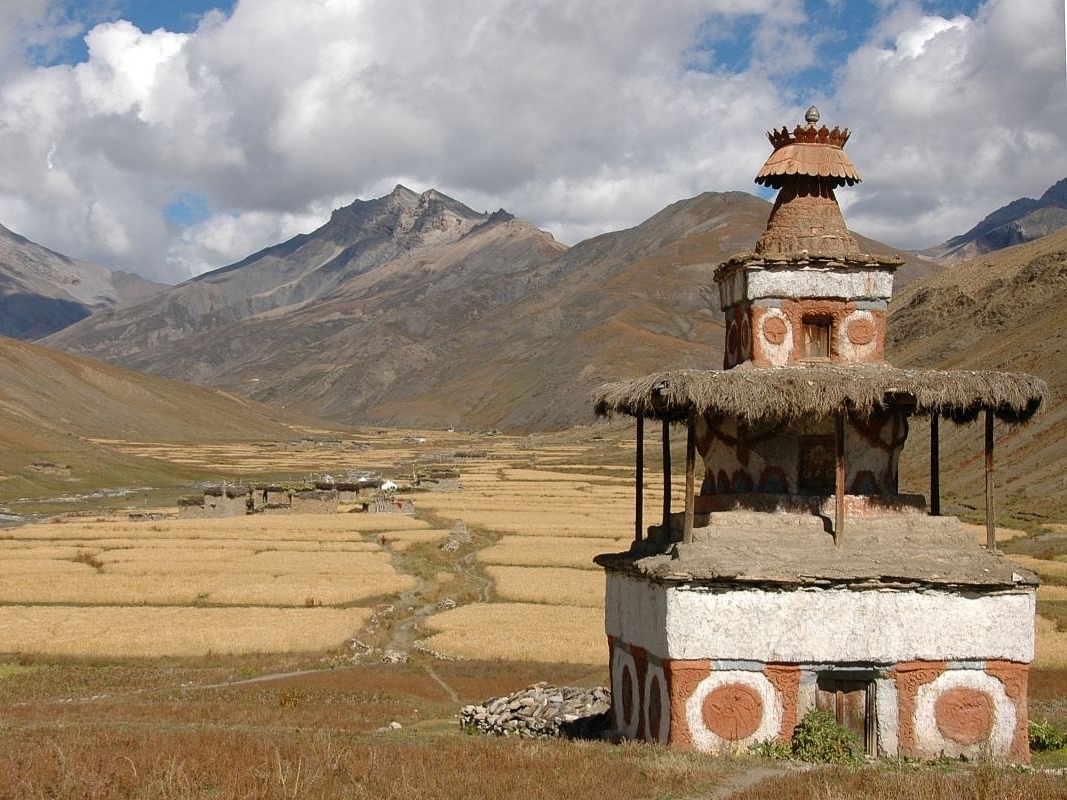
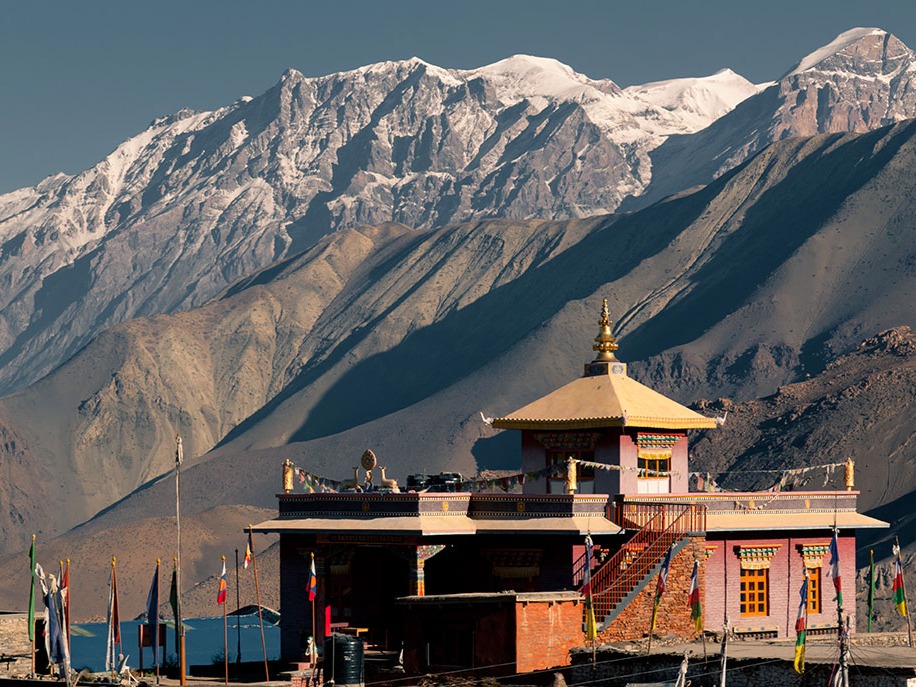
There is something special about the dream of standing at Everest Base Camp. Many people grow up seeing photos of Mount Everest and imagine what it would feel like to be close to the highest mountain in the world. The good news is that you do not need to climb to the 8,848-meter summit to experience its power. The Everest Base Camp Trek gives you the chance to walk through the heart of the Himalayas and stand at the base of Mount Everest without being a professional climber.
For many travelers, the idea of the EBC Trek begins as a small dream. It may start with a documentary, a travel photo, or a story from a friend. Over time, that dream grows stronger. You picture yourself walking on rocky trails, crossing long suspension bridges, and seeing snow-covered peaks rise above you. You imagine reaching Everest Base Camp and touching the famous rock covered with prayer flags. At that moment, the dream feels real.
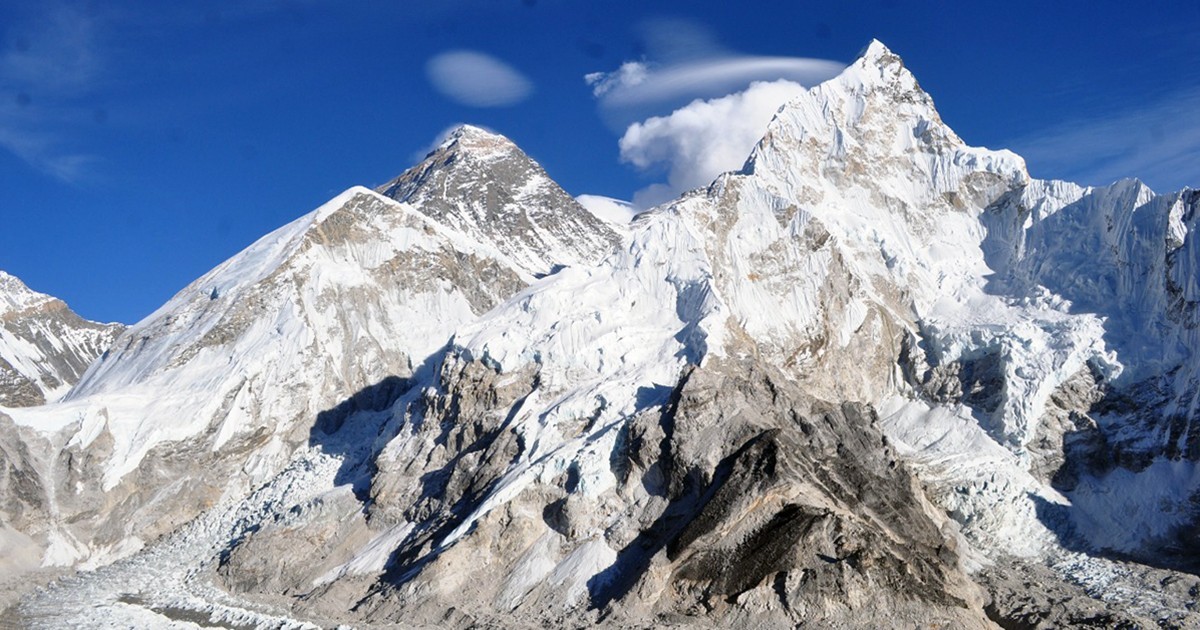
Millions of people around the world dream about Everest. Every year, thousands of trekkers from different countries come to Nepal to make that dream come true. They are teachers, students, business owners, parents, and retirees. Most of them are not mountaineers. They simply prepare well, walk step by step, and follow the trail with determination. The EBC Trek is not about technical climbing. It is about steady walking, strong will, and respect for the mountains.
The journey usually begins with a flight to Lukla, a small mountain airstrip that opens the door to the Everest region. From there, the trail passes through Sherpa villages, green forests, and deep river valleys. Trekkers walk beside the Dudh Koshi River and cross high suspension bridges decorated with colorful prayer flags. As you move higher, the landscape slowly changes. Trees become smaller, the air becomes thinner, and the mountains appear closer and more powerful.
One of the most beautiful parts of the experience is the cultural connection. Along the trail, you will see monasteries, spinning prayer wheels, and stone walls carved with Buddhist mantras. In places like Namche Bazaar and Tengboche, you meet Sherpa families who have lived in this region for generations. Their kindness and simple mountain lifestyle make the journey more meaningful. The Everest Base Camp Trek is not only about reaching a destination. It is also about understanding the people and traditions of the Khumbu region.
Standing at Everest Base Camp itself feels quiet and powerful. You are surrounded by ice, rock, and towering peaks. The Khumbu Glacier lies nearby, and climbers prepare for their summit attempts during the expedition season. Even though you are not climbing to the top, you are standing at the starting point of the world’s greatest mountaineering challenge. That feeling stays with you long after you leave.
For first-time trekkers, this adventure may seem big at the beginning. But when you break it into daily walks and simple steps, it becomes achievable. With proper preparation, guidance, and a positive mindset, the EBC Trek becomes a journey of personal growth. It teaches patience, strength, and respect for nature while allowing you to live the dream of being at the foot of Mount Everest.
The full form of EBC Trek is Everest Base Camp Trek. It is one of the most popular trekking journeys in Nepal and also one of the most famous treks in the world. This trek takes you to the base camp of Mount Everest, the highest mountain on Earth. Instead of climbing to the summit, trekkers walk through mountain trails and reach the point where Everest expeditions begin their climb.
The EBC Trek is located in the Khumbu region of northeastern Nepal. This region lies inside Sagarmatha National Park, a UNESCO World Heritage Site known for its high mountains, glaciers, forests, and rare wildlife. The Khumbu region is also home to the Sherpa people, who are well known for their mountaineering skills and strong mountain culture. As you walk through this region, you pass traditional Sherpa villages, ancient monasteries, and beautiful valleys surrounded by snow-covered peaks.
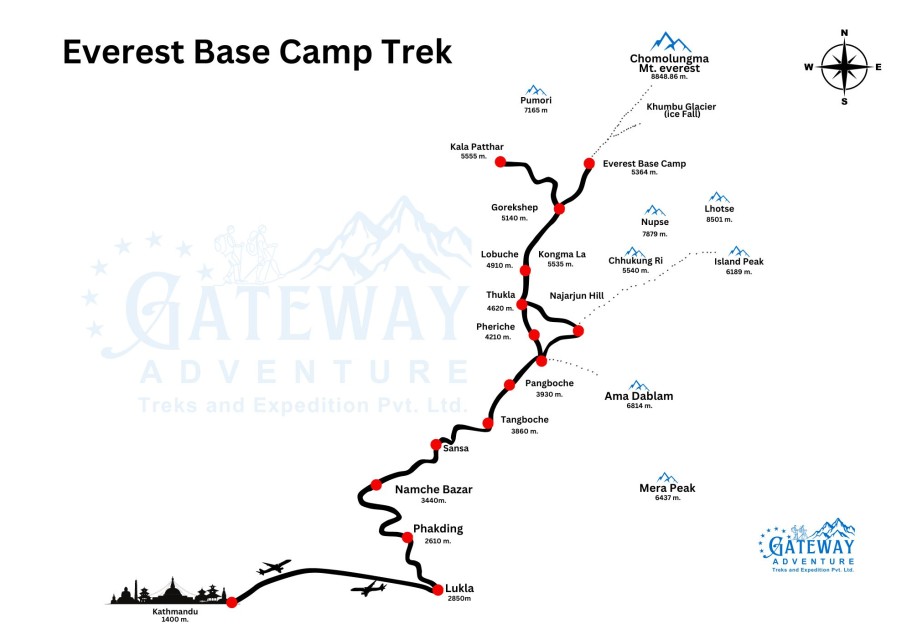
The journey usually starts with a short but exciting flight from Kathmandu to Lukla. Lukla is a small mountain town with a famous airport called Tenzing-Hillary Airport. It sits at an altitude of about 2,860 meters above sea level. From Lukla, the walking trail begins. Trekkers move step by step through villages like Phakding and Namche Bazaar, slowly gaining altitude each day. The EBC Trek route is well established, and there are many tea houses along the way where trekkers can eat and sleep.
The maximum altitude reached during the trek is 5,364 meters, which is the height of Everest Base Camp. Many trekkers also hike to Kala Patthar, a nearby viewpoint that stands at 5,545 meters and offers a clear view of Mount Everest. Walking at high altitude can be challenging, so the itinerary includes acclimatization days in places like Namche Bazaar and Dingboche. These rest days help your body adjust to the thinner air and reduce the risk of altitude sickness.
The total duration of the EBC Trek is usually 12 to 14 days, depending on the itinerary. This includes arrival in Kathmandu, the flight to Lukla, trekking days to base camp, and the return walk back to Lukla. Some people choose shorter or longer versions, but the classic route takes around two weeks. Each day involves walking for about five to seven hours on mountain trails.
The trek is world famous for many reasons. First, it offers close views of some of the highest peaks in the world, including Everest, Lhotse, Nuptse, and Ama Dablam. Second, it allows ordinary people to experience the base of the world’s tallest mountain without technical climbing skills. Third, the cultural experience in the Khumbu region makes the journey more meaningful. The combination of natural beauty, local culture, and personal challenge has made the EBC Trek a dream adventure for travelers from around the globe.
The 15-day Everest Base Camp Trek is a classic Himalayan journey that takes you from the capital city of Nepal to the base of the world’s highest mountain. This itinerary is carefully designed to give you enough time to walk safely, enjoy mountain views, and adjust to high altitude.
Your adventure begins with your arrival in Kathmandu. After landing at Tribhuvan International Airport, you are welcomed and transferred to your hotel. In the evening, you attend a short trek briefing where your guide explains the route, safety tips, and important details about the journey. This first day helps you prepare both physically and mentally for the EBC Trek.
On the second day, you take a scenic flight to Lukla. This short mountain flight offers amazing views of hills and snow-covered peaks. Lukla is the starting point of the trek. From here, you begin walking through beautiful Sherpa villages and along the Dudh Koshi River.
After a few days of trekking, you reach Namche Bazaar, the main trading center of the Khumbu region. Here, you spend one extra day for acclimatization. Acclimatization is very important during the EBC Trek because you are climbing to high altitudes where the air becomes thinner. At higher elevations, there is less oxygen. If you go up too fast, you may feel headache, nausea, or dizziness. By staying an extra day in Namche and doing a short hike to higher ground before returning to sleep lower, your body slowly adjusts to the altitude. This reduces the risk of altitude sickness and helps you continue the journey safely.
From Namche, the trail leads to Tengboche. This village is famous for Tengboche Monastery, the largest monastery in the region. Surrounded by mountains like Ama Dablam and Everest, Tengboche offers both spiritual peace and beautiful views. It is one of the cultural highlights of the EBC Trek.
The journey continues to Dingboche, where you have another acclimatization day. This stop is even more important because you are now above 4,000 meters. Your body needs proper rest and gradual adjustment before heading higher. A short hike to a nearby ridge helps your body adapt while keeping you active.
After Dingboche, you trek to Lobuche. The landscape becomes more rugged and rocky. You walk beside the Khumbu Glacier and see memorial stones built in memory of climbers. The air feels colder, and the surroundings look more dramatic.
Next, you reach Gorakshep, the last settlement before Everest Base Camp. From here, you hike to Everest Base Camp, the main goal of the EBC Trek. Standing at 5,364 meters, you see the Khumbu Icefall and feel surrounded by giant Himalayan peaks.
Another major highlight is the early morning hike to Kalapatthar viewpoint. From this spot, you get one of the best close-up views of Mount Everest. The sunrise over the mountains creates a memorable experience.
After these special moments, you begin your return journey, retracing your steps back through Pheriche, Tengboche, and Namche before flying from Lukla to Kathmandu.
Many travelers often ask about the difficulty level before planning their mountain journey. The EBC Trek is considered a moderate trek. It is not a technical climbing trip, but it is also not an easy walk in the park. You need good physical fitness, strong determination, and proper preparation.
On most days, you will walk about 5 to 7 hours. Some days are shorter, and some are longer, depending on the distance and altitude. The walking pace is usually slow and steady. The trail is not about speed. It is about consistency and adjusting your body to the mountain environment. During the EBC Trek, you wake up early, have breakfast, and start walking through changing landscapes each day.
The terrain can be challenging at times. You will walk on rocky paths, stone steps, and uneven trails. There are many uphill and downhill sections. Some climbs are long and gradual, while others are steep and tiring. You will also cross several suspension bridges hanging over rivers like the Dudh Koshi. These bridges can feel a little scary at first, but they are safe and strong. Walking on these different types of terrain requires balance and steady movement.
One of the biggest challenges of the EBC Trek is altitude. As you go higher, the air becomes thinner, and there is less oxygen. Even if you are physically fit, altitude can slow you down. You may feel short of breath, tired, or have a mild headache. This is why the itinerary includes acclimatization days. These rest days help your body adjust to higher elevation and reduce the risk of altitude sickness. Altitude is often more difficult than the walking distance itself.
Mental strength is also very important. Some days may feel long and tiring. The weather in the mountains can change quickly. It can be sunny in the morning and cold in the afternoon. Staying positive and patient helps a lot. When you feel tired, you need to remind yourself why you started the journey. The support of your guide, porters, and fellow trekkers also makes a big difference.
Many beginners wonder if this trek is suitable for them. The good news is that the EBC Trek can be done by beginners if they prepare well. You do not need climbing skills or technical experience. However, you should train before the trip. Regular walking, light jogging, stair climbing, and short hikes can help build stamina. Being comfortable walking for several hours a day is important.
Tea houses along the route provide simple food and accommodation, so you do not need to carry heavy camping equipment. This makes the journey more manageable compared to remote camping treks.
Overall, the trek is challenging but achievable. With proper training, a steady pace, and a strong mindset, many people from different age groups complete this adventure every year.
Choosing the right season is very important for a safe and enjoyable EBC Trek. Weather in the Himalayas can change quickly, and each season offers a different experience. Some months give clear mountain views, while others bring cold temperatures or heavy rain. Understanding the seasons helps you plan your trek better.
Spring is one of the best times to do the EBC Trek. During this season, the weather is mostly stable, and the skies are often clear. This means you can enjoy beautiful views of Mount Everest and other high peaks along the trail. The temperature is moderate, not too cold and not too hot, which makes walking more comfortable.
One special highlight of spring is the blooming rhododendron forests. As you walk through lower villages like Phakding and Namche, you will see colorful flowers covering the hillsides. The fresh air and bright landscapes make the journey even more enjoyable.
However, spring is also a busy season. Many trekkers from around the world visit Nepal during this time. Tea houses and flights to Lukla can be crowded. It is important to book your EBC Trek in advance if you plan to travel in spring.
Autumn is another peak season for the EBC Trek. After the monsoon rains, the air becomes clean and fresh. The skies are usually very clear, offering the best visibility of the mountains. This is the time when you can see sharp and detailed views of Everest, Lhotse, and Ama Dablam.
The weather in autumn is stable, with mild daytime temperatures and cool nights. These conditions are ideal for long days of walking. Trails are dry, which makes trekking safer and easier compared to the rainy season.
Because of the clear weather and comfortable conditions, autumn is considered by many as the best time for the EBC Trek. Like spring, it is also a busy period, so early planning is helpful.
Winter brings cold temperatures, especially at higher altitudes. Snowfall is common in places like Lobuche and Gorakshep. The nights can be very cold, sometimes dropping below freezing.
However, winter has its own beauty. The trails are quieter, and there are fewer trekkers on the route. If you do not mind the cold and are well prepared with proper clothing, winter can offer a peaceful and calm trekking experience. Clear skies are also common during this season, giving good mountain views.
Monsoon is generally less recommended for the EBC Trek. During these months, Nepal receives heavy rainfall. Trails can be muddy and slippery, especially in the lower sections. Clouds often block mountain views, which means you may not see the peaks clearly.
Flights to Lukla are also more likely to be delayed due to poor weather. Leeches and insects are more common in the rainy season. For these reasons, most trekkers choose spring or autumn instead of monsoon months.
Planning your budget is an important part of preparing for the EBC Trek. The total cost depends on the type of service you choose, the season, and whether you book a full package or plan it independently. Understanding each cost item helps you make better decisions before starting the journey.
To do the EBC Trek, you need two main permits. The first is the Sagarmatha National Park Entry Permit, which costs around NPR 3,000 per person. The second is the Khumbu Pasang Lhamu Rural Municipality Permit, which costs around NPR 2,000 per person. These permits are mandatory because the trek passes through protected and local government areas. Without them, you are not allowed to enter the region.
The flight from Kathmandu to Lukla is one of the major expenses of the trek. A round-trip flight usually costs between USD 350 to 450 per person, depending on the season and airline. During peak seasons like spring and autumn, flights may operate from Ramechhap instead of Kathmandu due to air traffic. This may add extra ground transportation cost. The Lukla flight is short, about 30 to 40 minutes, but it is an essential part of the EBC Trek since there is no road access to the starting point.
Hiring a licensed guide is highly recommended for the EBC Trek. A guide usually costs around USD 30 to 40 per day. They help with navigation, safety, accommodation arrangements, and provide information about the culture and mountains. A porter costs around USD 20 to 25 per day and can carry up to 20–25 kg of luggage. Having a porter makes the trek more comfortable, especially at high altitude where carrying heavy bags can be exhausting.
Along the trekking route, you stay in local tea houses. A basic room usually costs between USD 5 to 10 per night at lower altitudes. Prices increase slightly at higher places like Lobuche and Gorakshep due to transportation difficulty. Meals cost around USD 6 to 12 per item depending on location. As you go higher, food becomes more expensive because supplies are carried by porters or yaks.
During the full EBC Trek, food and accommodation together may cost around USD 30 to 40 per day if you are trekking independently.
If you book a complete package through a trekking company, the total price for the EBC Trek in 2026 usually ranges between USD 1,200 to 1,800 per person. This often includes permits, flights, guide, porter, accommodation, and meals during the trek. The price can vary depending on group size, hotel category in Kathmandu, and service level.
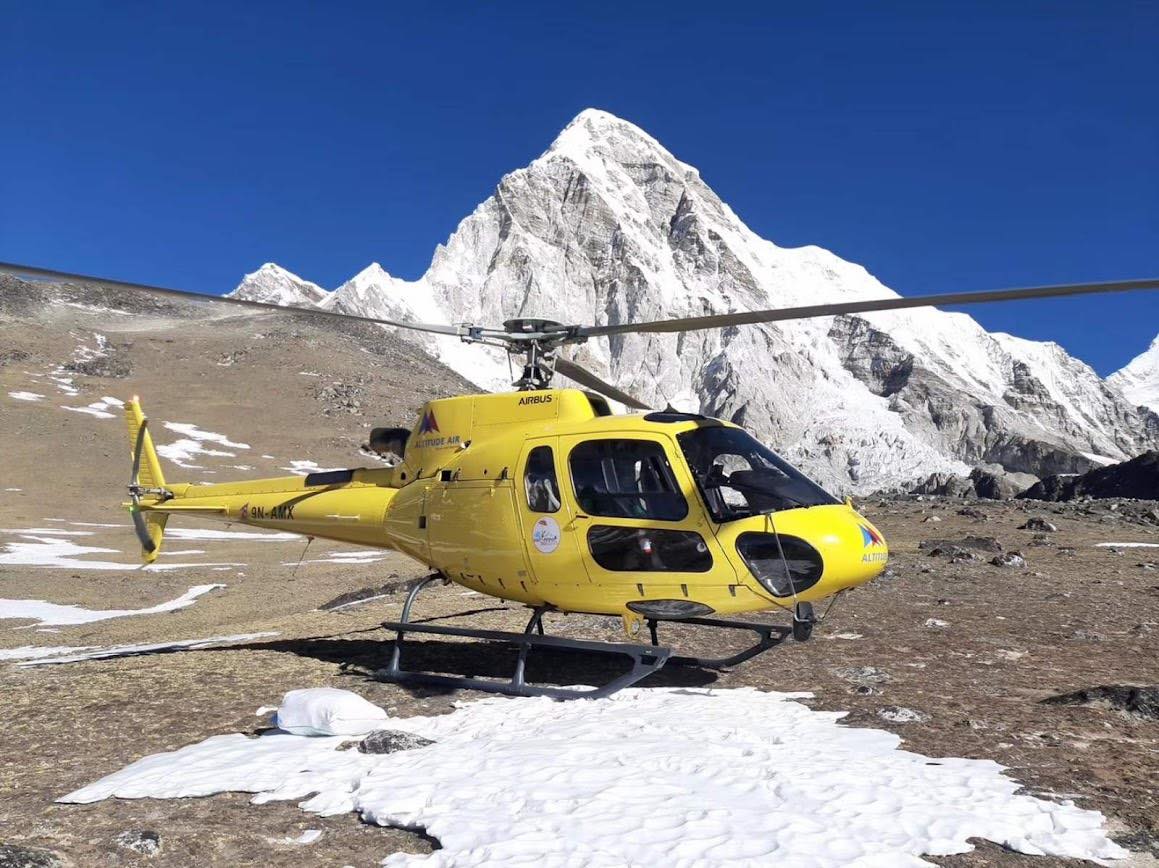
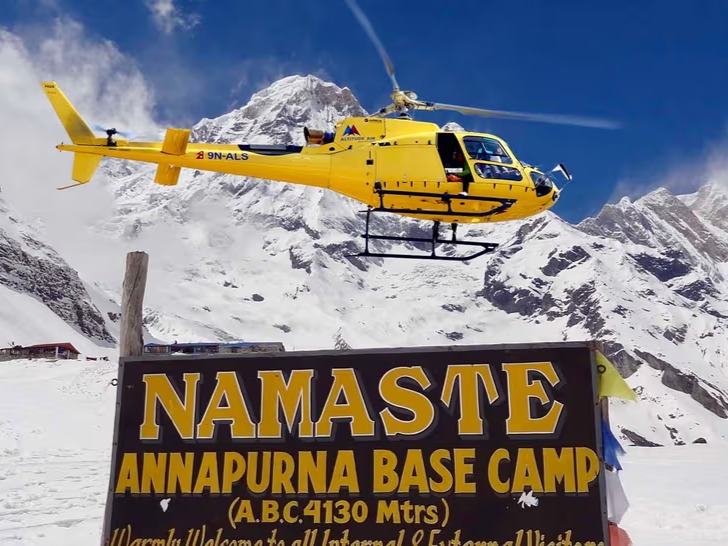
Some trekkers choose a helicopter return from Gorakshep or Everest Base Camp instead of walking back to Lukla. This option saves time and offers aerial views of the Himalayas. A shared helicopter flight can cost around USD 500 to 800 per person, while a private charter may cost USD 3,000 to 4,000 depending on the number of passengers. This option increases the total cost of the EBC Trek but provides a faster and more comfortable return.
When planning the EBC Trek, many trekkers are curious about where they will sleep and what they will eat in the mountains. The good news is that this trek does not require camping. Along the trail, you stay in local tea houses that provide simple rooms and warm meals.
Tea houses are small mountain lodges run by local families. Most tea houses offer basic twin-sharing rooms with two beds, a mattress, pillow, and blanket. The rooms are simple and clean, but not luxurious. Toilets are usually shared, and in higher villages the facilities become more basic. During the EBC Trek, the quality of tea houses is better in places like Namche Bazaar compared to higher places like Lobuche or Gorakshep.
The dining hall is the warmest and most comfortable area of the tea house. There is usually a stove in the center, especially in the evenings. Trekkers gather here to eat, talk, and relax after a long day of walking. The atmosphere feels friendly and welcoming, which adds a special experience to the EBC Trek.
Food on the trail is simple but filling. The most common and recommended meal is Dal Bhat. Dal Bhat includes rice, lentil soup, vegetable curry, and sometimes pickles. It is a healthy and energy-rich meal. One big advantage of Dal Bhat is that many tea houses offer free refills. Because of this, it is often called the best trekking meal in Nepal.
Besides Dal Bhat, you can also find noodles, pasta, fried rice, momos, soups, and pancakes. Garlic soup is popular at higher altitude because many believe it helps with acclimatization. Breakfast options usually include eggs, toast, porridge, and tea or coffee. As you go higher during the EBC Trek, food prices increase because all supplies are carried by porters or yaks.
WiFi is available in many tea houses, especially in lower villages like Phakding and Namche. However, it is not always fast or reliable. You usually need to pay an extra fee to use WiFi. The cost can range from USD 2 to 5 depending on the location. In higher areas, the connection may be weaker.
Charging your phone or camera also costs extra. Tea houses charge a small fee per device, usually between USD 2 to 5 per hour. As you climb higher on the EBC Trek, charging becomes more expensive because electricity is limited and often powered by solar energy.
Hot showers are available in many tea houses, but they are not always included in the room price. You need to pay extra, usually around USD 3 to 6 per shower. In higher villages, water can be very cold, and hot showers may be limited due to freezing temperatures.
Overall, accommodation and food during the EBC Trek are basic but comfortable enough for trekkers. The simple lifestyle in the mountains allows you to focus more on nature, culture, and the journey itself.
When trekking to high mountains, like during the EBC Trek, altitude sickness is one of the most important things to understand. Altitude sickness, also called Acute Mountain Sickness (AMS), happens when your body cannot adjust quickly to the lower oxygen levels at higher elevations. It can affect anyone, even experienced trekkers, and recognizing it early is very important.
The early symptoms of AMS are usually mild but should not be ignored. Common signs include headache, nausea, dizziness, tiredness, and loss of appetite. Some people also feel shortness of breath when walking or sleeping poorly at night. If these symptoms are noticed, it is a signal that your body needs more time to adjust.
Acclimatization is the most effective way to prevent AMS during the EBC Trek. Acclimatization means giving your body time to get used to higher altitudes by walking slowly, resting often, and including extra days to adjust. For example, staying an extra day in Namche Bazaar or Dingboche helps the body adapt and reduces the risk of serious altitude sickness. Trekkers should never rush the trek, even if the weather is good or they feel strong. Walking too fast at high altitudes increases the risk of AMS.
Drinking plenty of water is also very important. Staying hydrated helps the body cope with high altitude. It is recommended to drink at least 3 to 4 liters of water per day while on the EBC Trek. Avoid alcohol and too much caffeine because they can dehydrate the body and make AMS worse. Eating light but nutritious meals also helps the body adjust better to the altitude.
If symptoms of AMS become more serious, such as severe headache, vomiting, confusion, or difficulty walking, descending immediately is the safest action. Moving to a lower altitude allows the body to recover. Oxygen is sometimes provided in tea houses or medical posts along the trail for emergencies. Guides on the EBC Trek are trained to recognize serious altitude sickness and will advise when it is necessary to descend or seek medical help.
Carrying basic medicines for AMS, like acetazolamide, can also help prevent and treat mild symptoms, but these should only be used under guidance from a doctor. Listening to your body and taking every warning sign seriously is critical for a safe EBC Trek experience. Being prepared and careful ensures that you can enjoy the beautiful mountains without compromising your health.
Safety is always the priority during high-altitude trekking. Proper acclimatization, hydration, and awareness of AMS symptoms allow trekkers to experience the EBC Trek fully while reducing the risk of serious altitude problems.
The EBC Trek is often called a classic adventure for those who dream of seeing Mount Everest up close. Many people wonder if beginners can do it, and the answer is yes, with proper preparation. This trek is not just about walking but also about being ready mentally and physically for high-altitude challenges.
People of many age groups can attempt the EBC Trek. Usually, trekkers between 18 and 60 years old are comfortable doing this journey. However, older travelers can also complete the trek if they are fit and healthy. Children under 12 may find it harder due to the long walking days and high altitude, so families often consider slightly shorter treks for younger kids.
Fitness preparation is a key part of being ready for the EBC Trek. Walking for five to seven hours each day on rocky, uphill trails is normal. Beginners should start preparing at least two to three months before the trek. Cardio exercises such as running, cycling, or swimming help strengthen the lungs and heart. Leg and core exercises are also important to handle the long uphill and downhill walks.
Training before the trek should include real walking practice. Hiking on hills or mountains near your home is the best way to get used to uneven paths. You can start with short walks and gradually increase the distance and height. Walking with a backpack similar to what you will carry on the EBC Trek helps your body adjust to the weight. Practicing on suspension bridges or stairs can also help prepare for tricky parts of the trail.
Mental preparation is equally important for beginners on the EBC Trek. The journey can be tiring, and weather conditions in the mountains can change quickly. Being ready to face cold, wind, and altitude changes is essential. Setting a steady pace, staying positive, and supporting fellow trekkers makes the trek more enjoyable. Learning about the culture of Sherpa villages and the natural beauty along the trail helps keep motivation high during challenging moments.
Beginners should also know that taking rest days for acclimatization is necessary. The EBC Trek includes stops at Namche Bazaar and Dingboche to help the body adapt to higher altitudes. Listening to your guide and paying attention to your body is important. Proper hydration, food, and sleep support both physical and mental stamina.
With consistent fitness training, walking practice, and mental readiness, beginners can successfully complete the EBC Trek. This trek offers an unforgettable experience of mountains, culture, and nature. Following preparation guidelines ensures that the journey is safe, comfortable, and memorable for those new to high-altitude trekking.
Every year, thousands of people come to Nepal to do the EBC Trek. The reason is not only the chance to see Mount Everest but also the unique experiences along the way. The trek combines natural beauty, culture, and personal adventure that stays in the heart forever.
One of the most memorable parts of the EBC Trek is meeting the Sherpa people. Their villages are small, peaceful, and full of life. Walking through Namche Bazaar or Dingboche, you can see children going to school, farmers taking care of their animals, and locals practicing Tibetan Buddhism. Their way of life is simple, yet full of strength and warmth. Sharing tea with a Sherpa family or visiting their homes gives a real sense of connection to the place.
Tengboche Monastery is another reason trekkers are drawn to this journey. Sitting under the shadows of Ama Dablam and Everest, the monastery feels calm and spiritual. Monks chant prayers, and colorful prayer flags flutter in the wind. This moment makes many trekkers pause, reflect, and feel a deep respect for the culture and traditions that have lasted for centuries.
The EBC Trek also offers amazing views of the Khumbu Glacier. Walking along its icy paths and seeing the mountains rise above is humbling. It is not just a walk; it is a journey through a landscape that feels alive and powerful. Each step closer to Everest Base Camp fills trekkers with awe and a sense of adventure.
One of the biggest reasons people choose the EBC Trek is the feeling of achievement. Reaching the base of the world’s highest mountain at 5,364 meters gives a sense of pride and happiness that is hard to describe. It is the reward for days of walking, climbing, and pushing through cold mornings, steep trails, and thin air. Standing there, surrounded by snow-capped peaks, trekkers feel a mix of excitement, gratitude, and calmness that stays with them forever.
For many, the EBC Trek is more than a physical journey; it is a personal journey. It teaches patience, determination, and appreciation for nature. It allows people to step out of their daily lives and connect with something larger than themselves. The combination of Sherpa culture, spiritual monasteries, glaciers, and the final view of Everest creates an experience that keeps travelers coming back or telling others to try it.
These experiences make the EBC Trek one of the most popular treks in the world. It is not just about reaching a destination; it is about feeling every moment along the way, connecting with people, and being part of a living Himalayan story. Every year, new adventurers join thousands who have walked the same path, each leaving with memories that will last a lifetime.
The EBC Trek offers a journey that touches the heart, challenges the body, and inspires the soul.
For many people, the EBC Trek is a dream come true. It is a journey that brings you close to the highest mountain in the world without the need to climb it. Standing at Everest Base Camp, at 5,364 meters, gives a feeling that is hard to match. You can see the massive Khumbu Glacier, the towering peaks around, and the trails that climbers follow to the summit. Even without reaching the top of Everest, the experience is powerful and life-changing.
The trek offers a mix of natural beauty and human connection. You will walk through small Sherpa villages, visit ancient monasteries, and witness local culture up close. Each step on the EBC Trek brings new surprises, from colorful prayer flags fluttering in the wind to yaks grazing in the high meadows. The views from places like Kala Patthar and the villages along the route make every hour of walking worth it.
Acclimatization days and the steady pace allow trekkers to feel the mountains, not just pass through them. The challenge of walking 5–7 hours a day, climbing rocky paths, and crossing suspension bridges adds a sense of accomplishment. By the time you reach Gorakshep or the base of Everest, you have not only seen the Himalayas but have experienced them deeply.
If Everest has always been your dream, the EBC Trek lets you connect with it in a real and safe way. You do not need to be a professional climber. You do not need to risk your life on the summit. The base camp itself, with its views, culture, and atmosphere, is enough to fulfill the dream of standing in the shadow of the world’s highest peak.
The EBC Trek is also a chance to grow personally. It teaches patience, resilience, and appreciation for nature. Many trekkers find themselves reflecting on life as they look across the mountains or share a quiet moment in a Sherpa teahouse. It is an adventure that feeds both the body and the soul.
If you are planning your EBC Trek, our experienced local team is ready to guide you safely to Everest Base Camp. They will handle logistics, provide support on the trail, and make sure your journey is as smooth and memorable as possible. The trek is challenging but deeply rewarding, offering memories that last a lifetime.
For anyone who dreams of Everest, the EBC Trek is not just worth it—it is the closest you can get to the summit experience while staying on safe ground. It is a journey that touches your heart, challenges your strength, and leaves you with stories to share for years.






© Copyright Gateway Adventure Treks and Expedition Pvt. Ltd., 2026 All Rights Reserved