The Everest Base Camp (EBC) Trek is one of the most iconic adventures in the world. Covering approximately 131 km (81.4 miles) over 11 to 12 days, this journey takes you deep into the heart of the Himalayas, offering breathtaking landscapes, rich Sherpa culture, and a once-in-a-lifetime opportunity to stand at the base of the world’s highest mountain.
Whether you are a first-time trekker or an experienced adventurer, understanding the distance, daily walking hours, altitude, and difficulty is essential for a successful and enjoyable trek.
This trek is not about technical climbing, but about endurance, acclimatization, and mental strength.
| Day | Route | Distance | Duration | Difficulty | Description |
|---|---|---|---|---|---|
| 1 | Lukla to Phakding | 8 km | 3–4 hours | Easy | Your adventure begins with a scenic flight to Lukla, followed by a gentle walk along the Dudh Koshi River. Passing traditional villages and suspension bridges, this day helps you ease into the trek. |
| 2 | Phakding to Namche Bazaar | 12.3 km | 6–7 hours | Moderate to Challenging | This is your first real test. After crossing several suspension bridges, you begin a steep ascent to Namche Bazaar, the vibrant Sherpa market. On a clear day, you may catch your first glimpse of Everest. |
| 3 | Acclimatization in Namche Bazaar | 7.2 km | 4–5 hours | Easy (Active Rest) | Acclimatization is key in the high Himalayas. A short hike to Everest View Hotel rewards you with panoramic mountain views while helping your body adjust to altitude. |
| 4 | Namche Bazaar to Tengboche | 10.7 km | 5–6 hours | Moderate | A scenic trail with ups and downs leads to Tengboche Monastery, one of the most spiritual places in the Khumbu region. Views of Ama Dablam are stunning. |
| 5 | Tengboche to Dingboche | 10.8 km | 5–6 hours | Moderate | As you gain altitude, the landscape becomes more alpine. The air gets thinner, and the terrain more rugged, marking your transition into high-altitude trekking. |
| 6 | Acclimatization in Dingboche | 5.2 km | 4–5 hours | Easy | Another acclimatization day with a short hike. You’ll enjoy incredible views of Lhotse, Makalu, and Island Peak. |
| 7 | Dingboche to Lobuche | 8.8 km | 5–6 hours | Moderate | A steady climb through a barren landscape leads to Lobuche. Passing memorials of climbers adds emotional depth to the journey. |
| 8 | Lobuche to Everest Base Camp to Gorakshep | 11.5 km | 8–9 hours | Challenging | The most awaited day. Trek to Everest Base Camp through rocky glacier trails. The achievement of reaching EBC is unforgettable. |
| 9 | Kalapatthar & Trek to Pheriche | 17.2 km | 8–9 hours | Challenging | An early morning hike to Kalapatthar offers the best sunrise view of Everest. Then descend to Pheriche. |
| 10 | Pheriche to Namche Bazaar | 19.7 km | 8–9 hours | Moderate | Descending becomes easier as oxygen levels increase. Enjoy familiar trails and comfortable stops. |
| 11 | Namche Bazaar to Lukla | 19.9 km | 8–9 hours | Moderate | Your final trekking day marks the completion of this incredible journey. |
Altitude is the biggest challenge of this trek. Proper acclimatization days are essential to prevent altitude sickness.
The table below details the elevation at each major stop on the standard Everest Base Camp trek route. This will help you plan your daily ascents and understand the scale of the challenge.
| Location | Altitude (Meters) | Altitude (Feet) | Stage Notes |
|---|---|---|---|
| Kathmandu | 1,400 m | 4,593 ft | Starting point and capital city. |
| Lukla | 2,860 m | 9,383 ft | The trek begins here after a scenic flight. |
| Phakding | 2,610 m | 8,563 ft | A gentle descent from Lukla to help you ease into the trek. |
| Namche Bazaar | 3,440 m | 11,286 ft | The vibrant hub of the Khumbu region and first acclimatization stop. |
| Tengboche | 3,860 m | 12,664 ft | Famous for its monastery and stunning views of Ama Dablam. |
| Dingboche | 4,410 m | 14,469 ft | A key acclimatization stop in a high-altitude plateau. |
| Lobuche | 4,940 m | 16,207 ft | A small, windswept settlement and gateway to the upper Khumbu. |
| Gorak Shep | 5,164 m | 16,942 ft | The last stop before Everest Base Camp. |
| Everest Base Camp | 5,364 m | 17,598 ft | The primary destination of the trek. |
| Kala Patthar | 5,545 m | 18,192 ft | The highest point of the trek, offering the best views of Everest. |
| Day | Location | Starting Elevation (Meters/ Feet) | Ending Elevation (Meters/ Feet) | Maximum Elevation (Meters/Feet) |
|---|---|---|---|---|
| 2 | Lukla – Phakding | 2,860 m /9,383 ft | 2,610 m/8,563 ft | 2,860 m /9,383 ft |
| 3 | Phakding – Namche | 2,610 m/8,563 ft | 3,440 m/11,286 ft | 3,440 m/11,286 ft |
| 4 | Namche acclimatization | 3,440 m/11,286 ft | 3,440 m/11,286 ft | 3,870 m/12,697 ft |
| 5 | Namche – Tengboche | 3,440 m/11,286 ft | 3,860 m/12,664 ft | 3,860 m/12,664 ft |
| 6 | Tengboche – Dingboche | 3,860 m/12,664 ft | 4,410 m/14,468 ft | 4,410 m/14,468 ft |
| 7 | Nangkartsang acclimatization | 4,410 m/14,468 ft | 4,410 m/14,468 ft | 5,083 m/16,677 ft |
| 8 | Dingboche – Lobuche | 4,410 m/14,468 ft | 4,910 m/16,109 ft | 4,910 m/16,109 ft |
| 9 | Lobuche – EBC – Gorakshep | 4,910 m/16,109 ft | 5,190 m/17,024 ft | 5,364 m/17,598 ft |
| Lobuche – Gorakshep | 4,910 m/16,109 ft | 5,190 m/17,024 ft | 5,190 m/17,024 ft | |
| Gorakshep – Everest Base Camp (round trip) | 5,190 m/17,024 ft | 5,190 m/17,024 ft | 5,364 m/17,598 ft | |
| 10 | Gorakshep – Kala Patthar – Pheriche | 5,190 m/17,024 ft | 4,371 m/14,340 ft | 5,555 m/18,225 ft |
| Kala Patthar (round trip) | 5,190 m/17,024 ft | 5,190 m/17,024 ft | 5,555 m/18,225 ft | |
| Gorakshep – Pheriche | 5,190 m/17,024 ft | 4,371 m/14,340 ft | 5,555 m/18,225 ft | |
| 11 | Pheriche – Namche | 4,371 m/14,340 ft | 3,440 m/11,286 ft | 3,440 m/11,286 ft |
| 12 | Namche – Lukla | 3,440 m/11,286 ft | 2,860 m /9,383 ft | 3,440 m/11,286 ft |
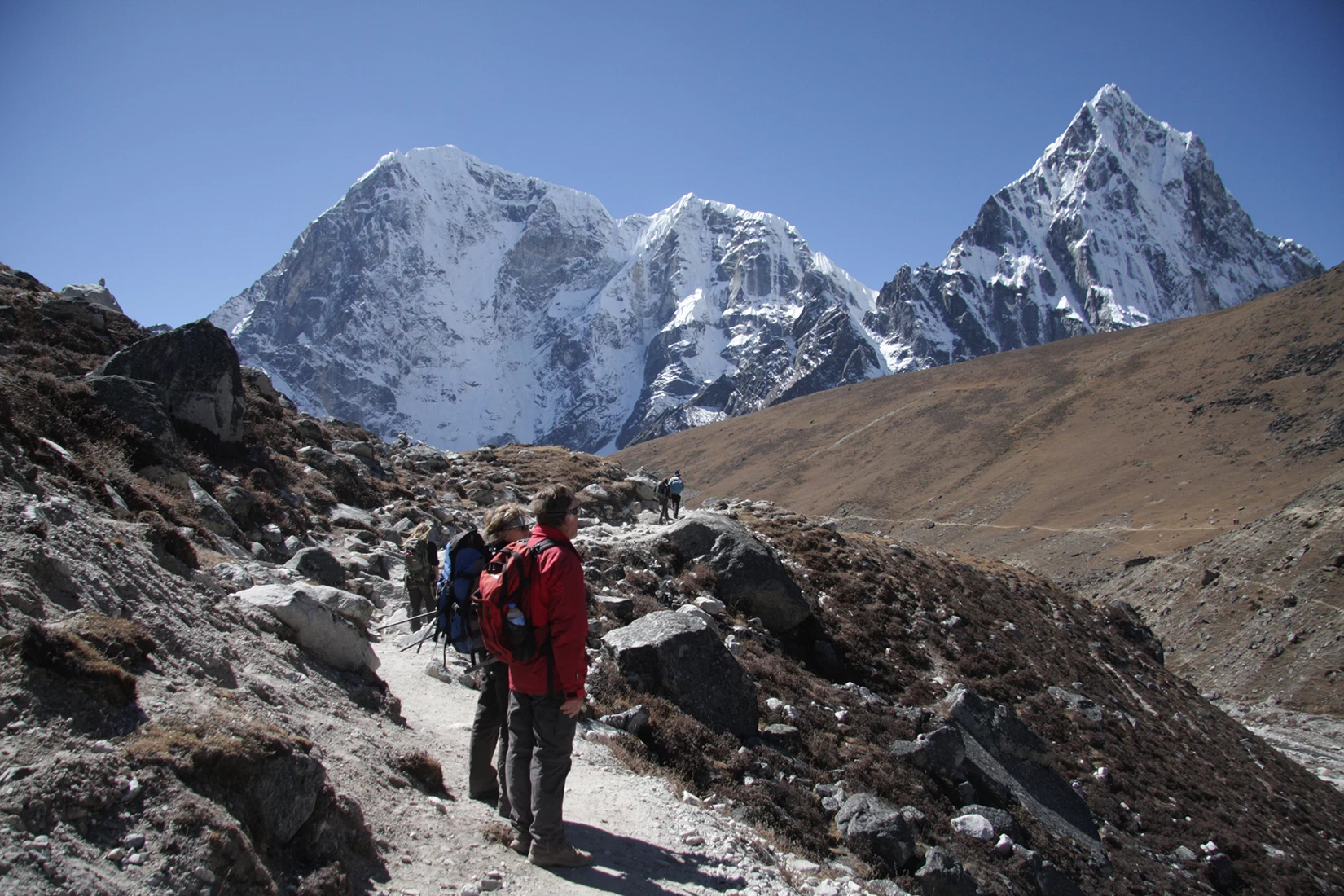
Knowing these highest points helps you prepare mentally and physically for the toughest part of the journey.
The EBC trek is moderate to challenging due to:
| Factor | Rating | Explanation |
|---|---|---|
| Physical Fitness | High | Requires good cardiovascular endurance, leg strength, and stamina for 6–8 hours of walking daily for 11 days. |
| Technical Skill | Very Low | No climbing, ropes, or glacier travel. Trails are well-defined but rocky, uneven, and include many stone steps and suspension bridges. |
| Altitude | Extreme | The main challenge. Maximum altitude of 5,545 m (Kala Patthar). Acute Mountain Sickness (AMS) risk is real at elevations above 3,000 m. |
| Daily Distance | Moderate | Average ~12 km/day. Longest days are 19–20 km (descent) which are demanding on tired legs. |
| Daily Duration | Moderate to High | 3–9 hours per day. Many days are 6–8 hours of active trekking, plus breaks. |
| Terrain | Moderate | Rocky paths, moraines, loose scree (near EBC), steep ascents/descents, suspension bridges, and cold, dry, dusty trails. |
| Weather | Severe | Can be extremely cold (-10°C to -20°C at night), windy, with possible snow even in peak seasons. Sudden changes. |
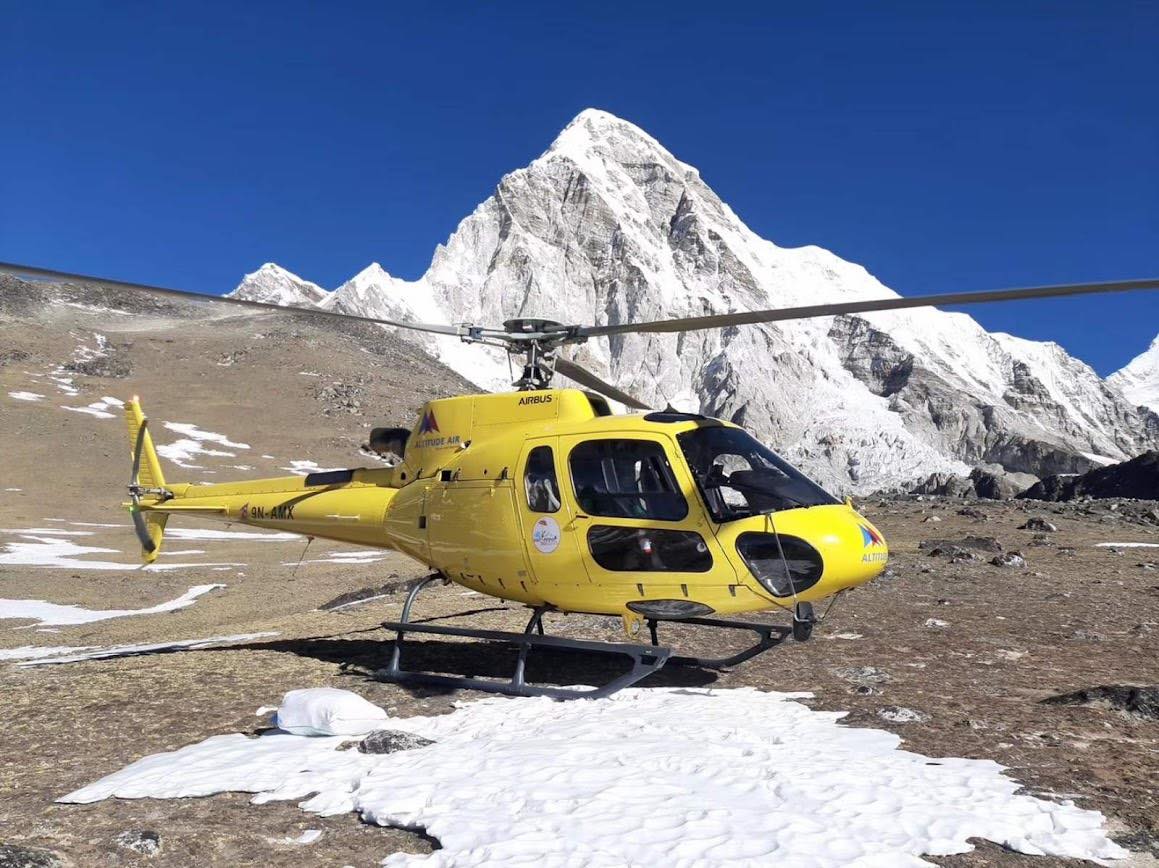
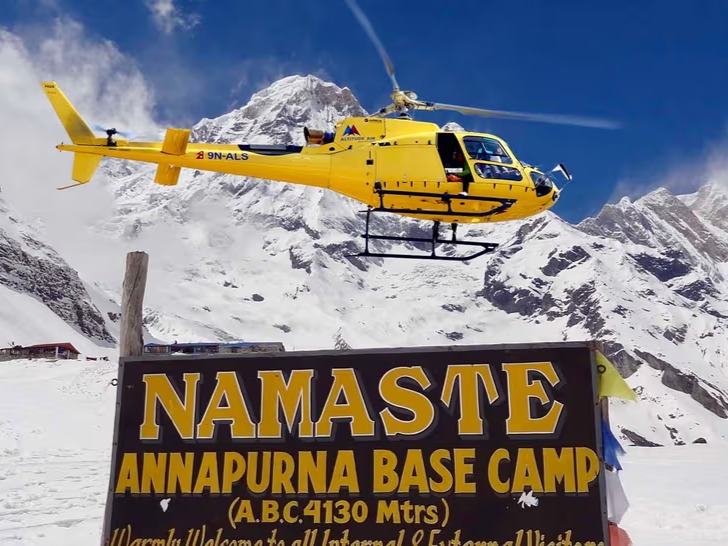
| Isolation / Logistics | Moderate | Teahouses provide food and lodging, but medical facilities are basic. Evacuation by helicopter is possible but expensive. |
No technical climbing skills are required, but good physical fitness is important.
To enhance your trek:
The teahouses of the Everest region are the lifeblood of the trail—simple, family-run lodges that turn a long trek into a cultural experience. Here is a complete guide to what you'll eat, where you'll sleep, and the most popular places to stay along the route.
The standard accommodation on the EBC trek is the "teahouse." Think of it as a cozy, no-frills mountain inn. Your room will be basic, featuring two beds with thin mattresses, a pillow, and a blanket. At higher altitudes, rooms and bathrooms are typically shared, but many places in larger villages offer private rooms.
Facilities are simple but functional. The heart of every teahouse is the communal dining room, usually warmed by a wood-burning stove (a bunkhar), where trekkers gather to share stories, play cards, and warm up. You can expect to find the following services (usually for a fee):
The business model is simple: you're expected to eat your meals where you sleep, as food sales are the lodge's main source of profit.
The table below lists recommended teahouses and lodges along the classic EBC route, categorized by accommodation tier.
| Village (Altitude) | Popular Options | Price Tier | Notes |
|---|---|---|---|
| Lukla (2,860m) | Buddha Lodge | Mid-Range | A comfortable 30-room lodge with a restaurant and free Wi-Fi. |
| Namche Bazaar (3,440m) | Yeti Mountain Home | Luxury | A lodge chain with stunning views, attached bathrooms, and electric blankets. |
| Everest Summit Lodge | Luxury | High-quality lodge with attached bathrooms and excellent mountain views. | |
| Namche Hill Top Lodge | Mid-Range | A popular, clean lodge with a fantastic restaurant, including excellent pizza. | |
| Himalayan Lodge | Mid-Range | A reliable choice with good food and helpful staff, located conveniently in town. | |
| Tengboche (3,860m) | Tengboche Guesthouse | Budget/Mid-Range | A classic teahouse located right near the famous Tengboche Monastery. |
| Dingboche (4,410m) | Hotel Tasi Delek | Mid-Range | Extremely popular for its superb food, comfortable beds, and en-suite bathrooms. |
| Dingboche Inn / Resort | Budget/Mid-Range | Basic, warm lodges with large dining halls, often with a great view of Ama Dablam. | |
| Good Luck Lodge / Imja Tse Lodge | Budget | Simple, no-frills teahouses for trekkers on a budget. | |
| Lobuche (4,940m) | Various local lodges | Budget | Accommodation becomes more basic. Rooms are simple, and facilities are limited. |
| Gorak Shep (5,164m) | Hotel Himalaya / Snowland | Basic | The last stop before EBC. Extremely basic, dorm-style rooms. Limited amenities. |
Fuel is critical at high altitudes, and the teahouses offer a surprisingly diverse menu. All food is made from ingredients carried in by porters or yaks, so menus get simpler as you gain elevation, but the hospitality remains warm.
The undisputed king of trekking food is Dal Bhat, a traditional Nepali plate of rice, lentil soup, and vegetable curry. It's the best value, and most teahouses offer unlimited refills, giving you the energy you need for the next day. Other popular choices include:
The Everest Base Camp trek is more than a journey; it is a personal transformation. Every step challenges your limits and rewards you with unmatched beauty.
Reaching Everest Base Camp is not just about distance; it is about determination, resilience, and the spirit of adventure.
At Gateway Adventure Treks and Expedition Pvt. Ltd., we provide:






© Copyright Gateway Adventure Treks and Expedition Pvt. Ltd., 2026 All Rights Reserved