The snow leopard (Panthera uncia), often called the Ghost of the Himalayas, is one of the most enigmatic and elusive big cats in the world. Known for its extraordinary camouflage and secretive behavior, this majestic animal is found at high altitudes in the rugged mountain landscapes of Nepal. For wildlife photographers and nature lovers, capturing a glimpse or better yet, a photograph- of the snow leopard is a once-in-a-lifetime experience.
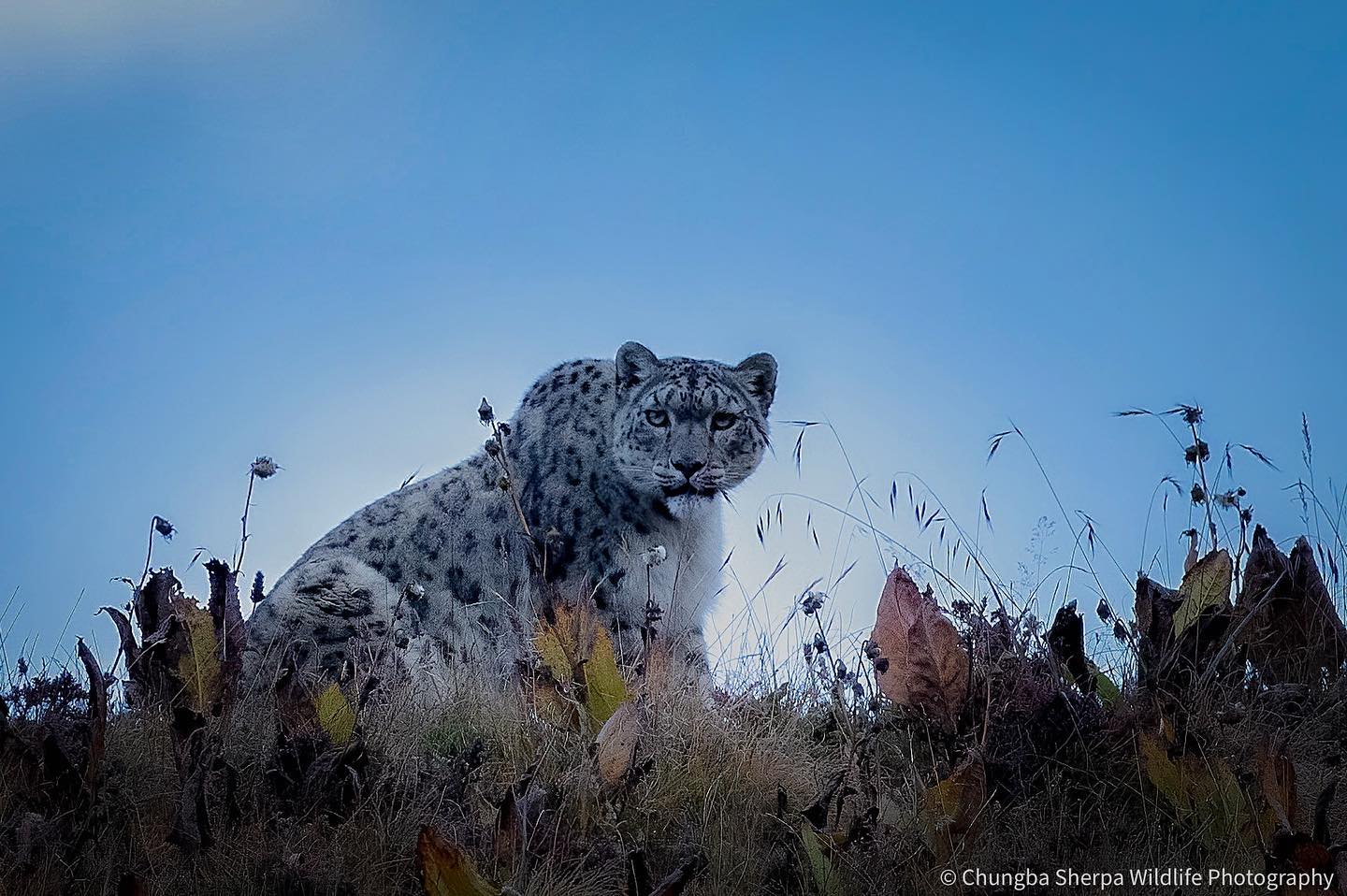
In 2026/2027, Nepal continues to be a premier destination for snow leopard photography, offering unrivaled access to some of the best habitats for these magnificent creatures. This blog explores the essential information for planning a snow leopard photography expedition in Nepal, including the best locations, optimal timing, equipment recommendations, and conservation context.
Nepal’s Himalayan ranges provide a diverse and rich habitat for snow leopards, particularly in the rain-shadow regions where the environment is drier and prey abundant. The country boasts several protected areas that are critical habitats for these cats:
Snow leopard photography in Nepal offers an unparalleled blend of adventure, wildlife, and cultural immersion. As 2025/2026 opens new opportunities with improved access and conservation collaboration, this is an ideal year to plan your journey into the realm of the Ghost Cat.
With careful preparation, respect for nature, and a spirit of patience, you can capture not just images but memories that will last a lifetime.
The ideal period for snow leopard photography in Nepal is from late autumn through early spring. During these months, snow leopards tend to descend to lower altitudes, making them easier to spot in the alpine and subalpine zones between 3,000 and 5,000 meters.
In particular, December to March is considered the prime time, with cold, clear days enhancing visibility and offering crisp photographic conditions. The snow-covered landscapes create stunning natural backdrops, heightening the visual drama of any encounter.
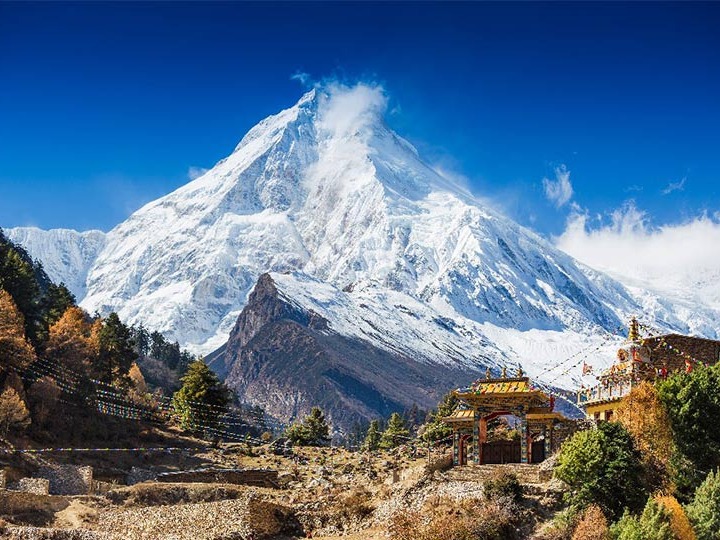
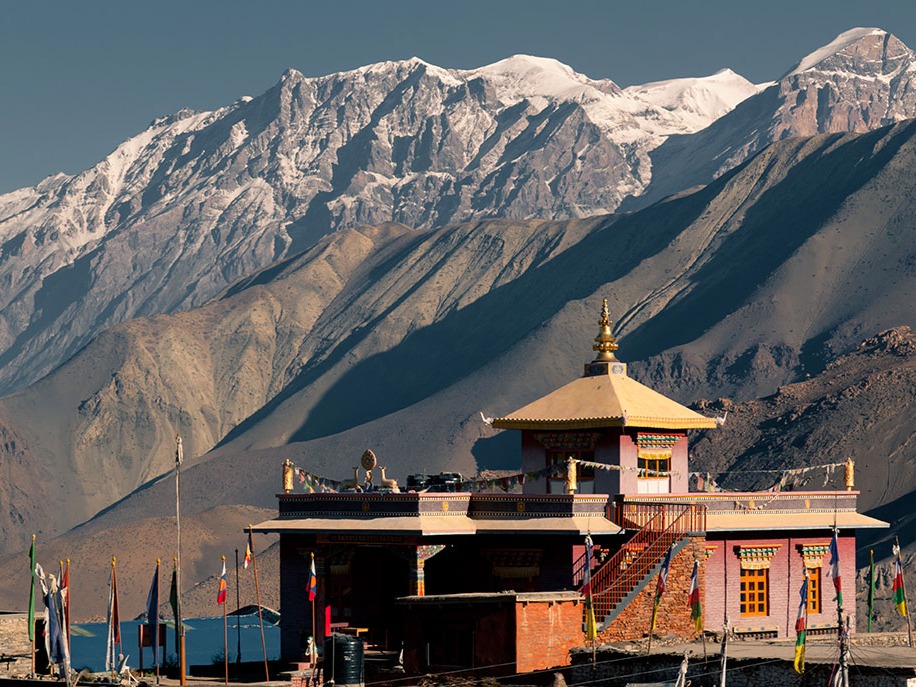
Manang lies within the Annapurna Conservation Area, Nepal’s largest protected area. Its steep valleys, rocky outcrops, and alpine meadows create perfect habitats for snow leopards. The region is also home to blue sheep and Himalayan tahr- primary prey for snow leopards.
Trekking in Manang offers a combination of cultural richness and wildlife encounters. The village is a hub for trekkers, providing comfortable lodges and local guides experienced in snow leopard tracking.
Photography Highlights:
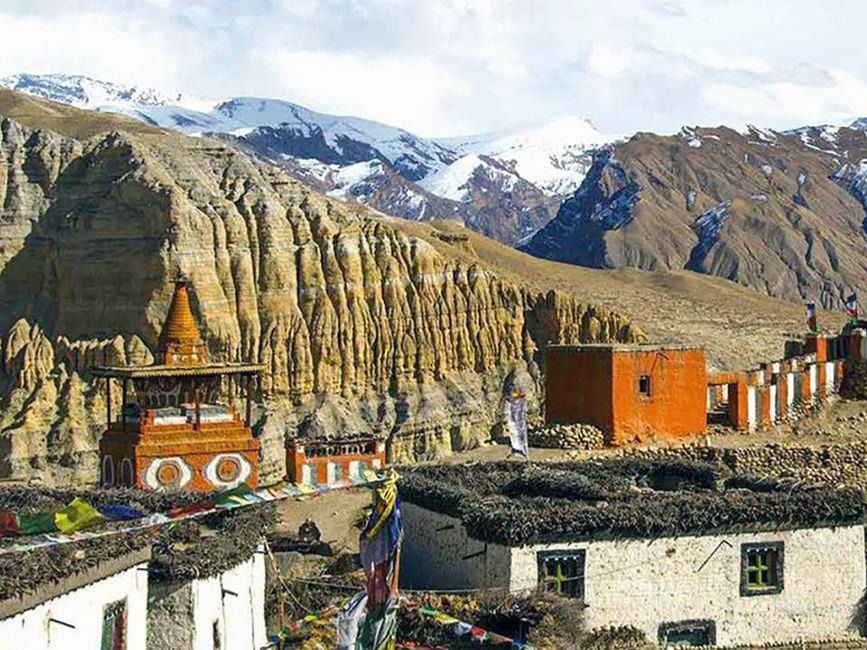
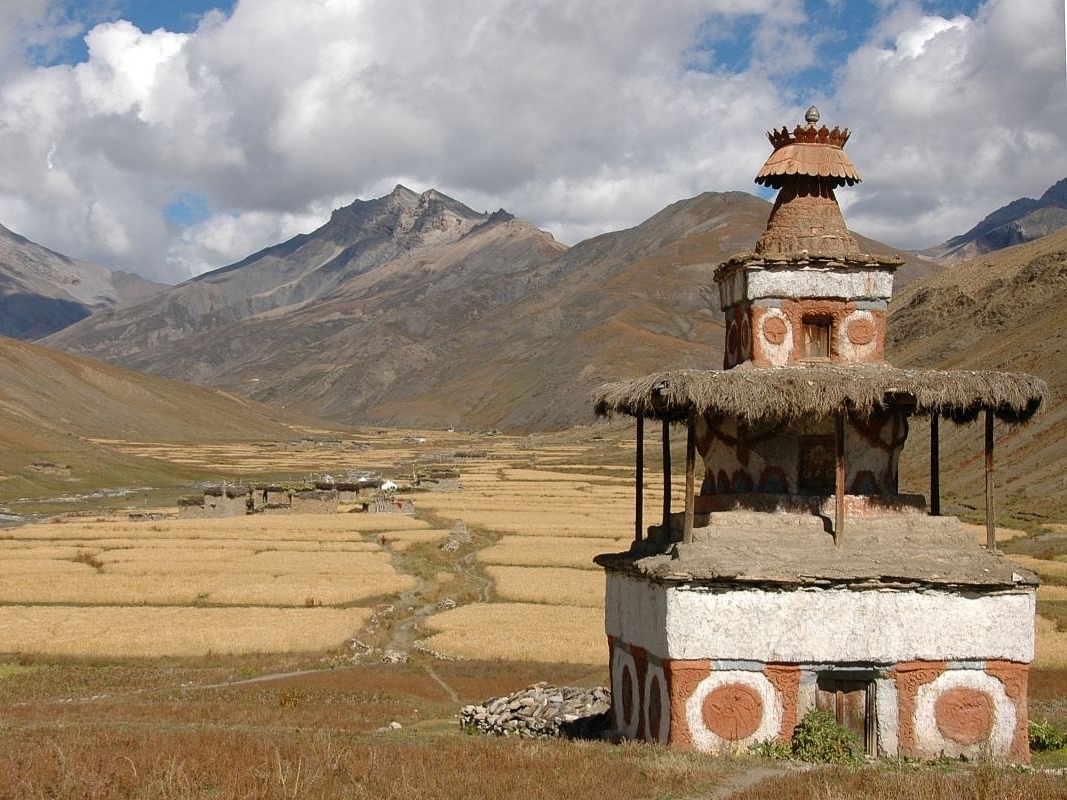
Upper Dolpo’s remoteness makes it one of Nepal’s most pristine regions. Its dry, rugged landscapes in the rain shadow of the Himalayas host a healthy snow leopard population.
Access is limited, requiring permits and multiple days of trekking, but the rewards are significant: raw, undisturbed habitats and the chance for close, naturalistic wildlife photography.
Photography Highlights:
This vast park, famous for Phoksundo Lake and Tibetan culture, also provides crucial habitat for snow leopards. The park's challenging terrain deters mass tourism, preserving an authentic wilderness experience.
Guided treks into the park allow photographers to explore lesser-known areas where snow leopard sightings have been reported.
Snow leopard habitats in Nepal fall under protected areas, requiring trekking and photography permits. These include:
Obtaining permits in advance through authorized agencies like Gateway Adventure Treks and Expedition ensures smooth access.
Local guides with knowledge of snow leopard behavior and landscape are invaluable. Many trekking companies offer dedicated wildlife tracking services, increasing your chances of encounters and safe travel.
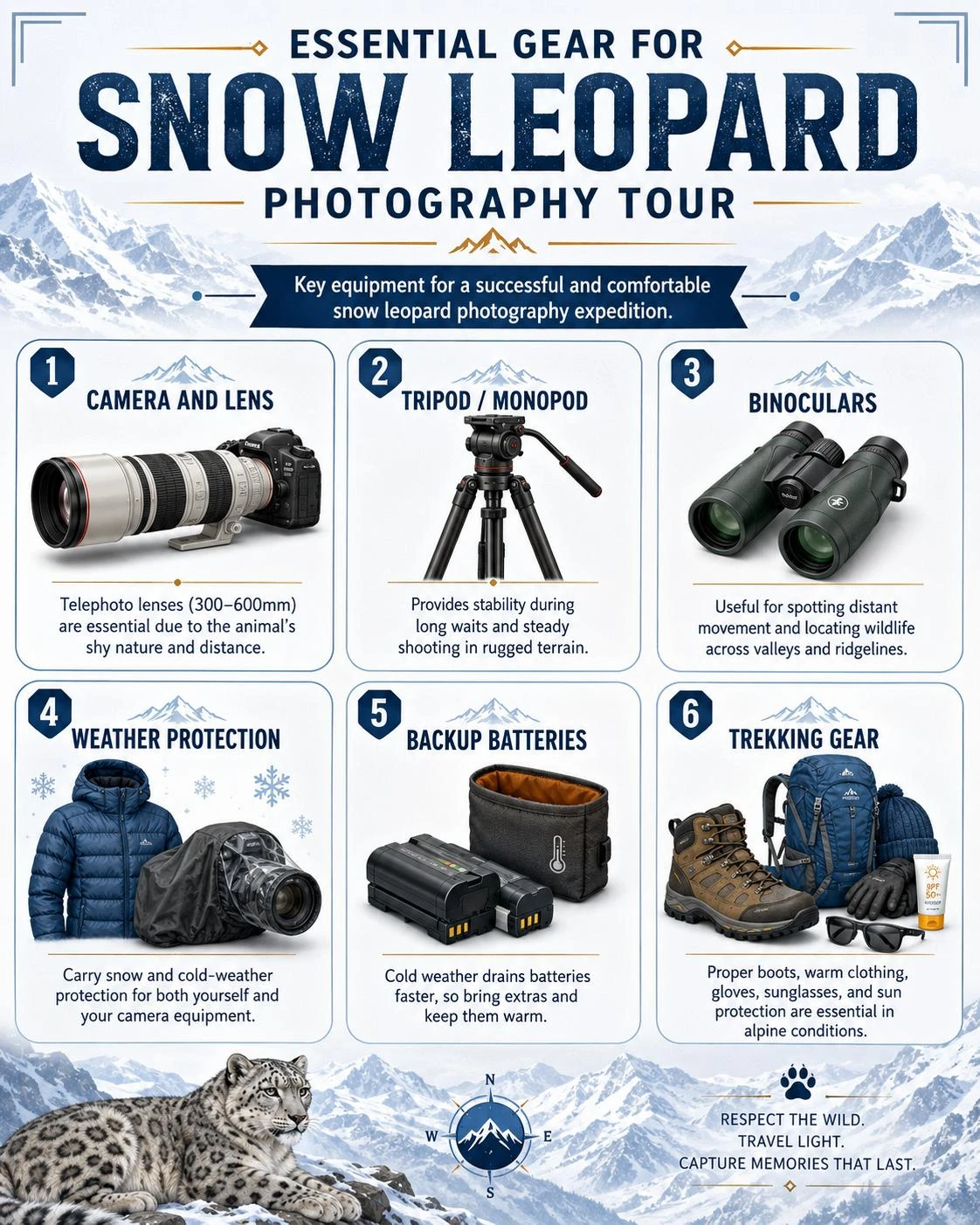
Snow leopard treks often reach elevations above 4,000 meters, requiring acclimatization and good physical health. Pre-trip cardio training, hydration, and gradual ascent schedules are vital.
Respecting wildlife and their habitats is paramount. Photographers must:
Responsible photography not only protects the snow leopard but also ensures the sustainability of tourism in these fragile environments.
Nepalese communities and conservation organizations have increasingly engaged in protecting snow leopards and their habitats. Initiatives include:
Photographers and tourists can contribute by supporting these programs, raising awareness, and advocating for conservation.
Trust the experts at Gateway Adventure Treks and Expedition to guide you through the majestic Himalayas safely and comfortably. With years of experience in wildlife expeditions, personalized itineraries, and skilled local guides, they ensure you get the best chance to capture the elusive Ghost of the Himalayas.








© Copyright Gateway Adventure Treks and Expedition Pvt. Ltd., 2026 All Rights Reserved