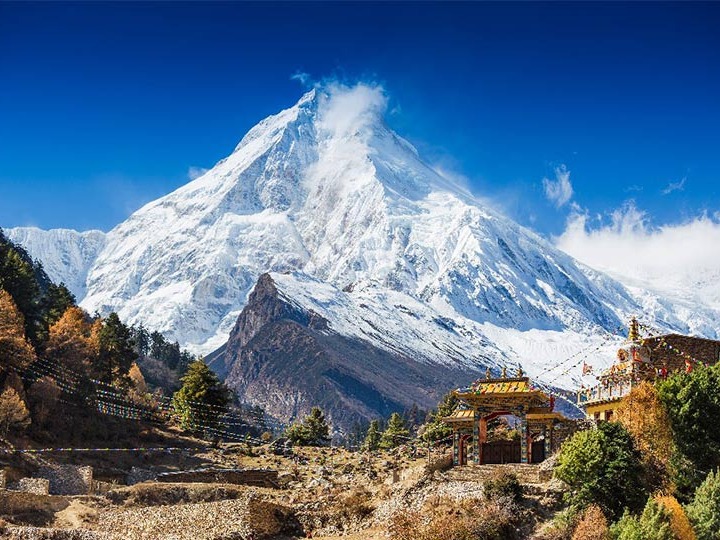
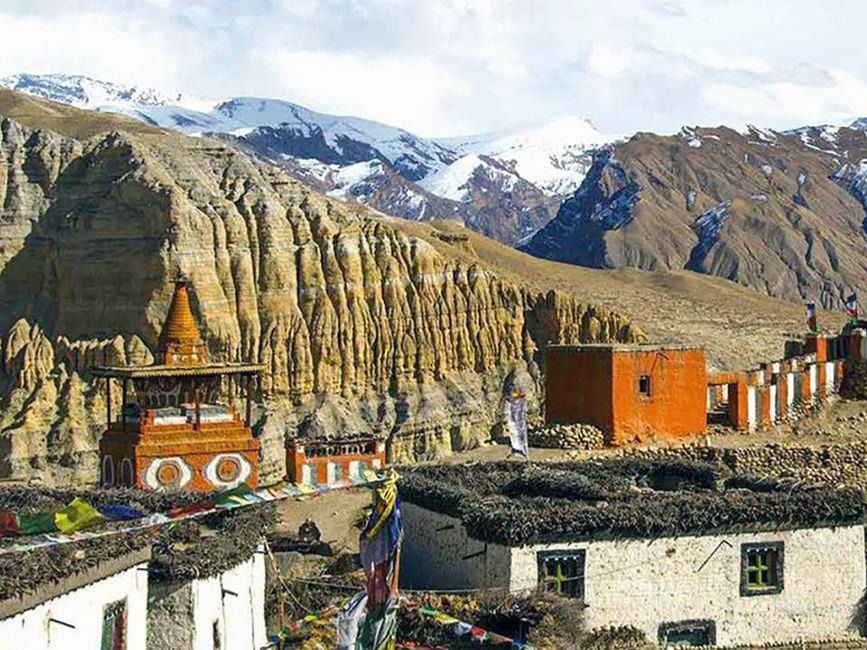
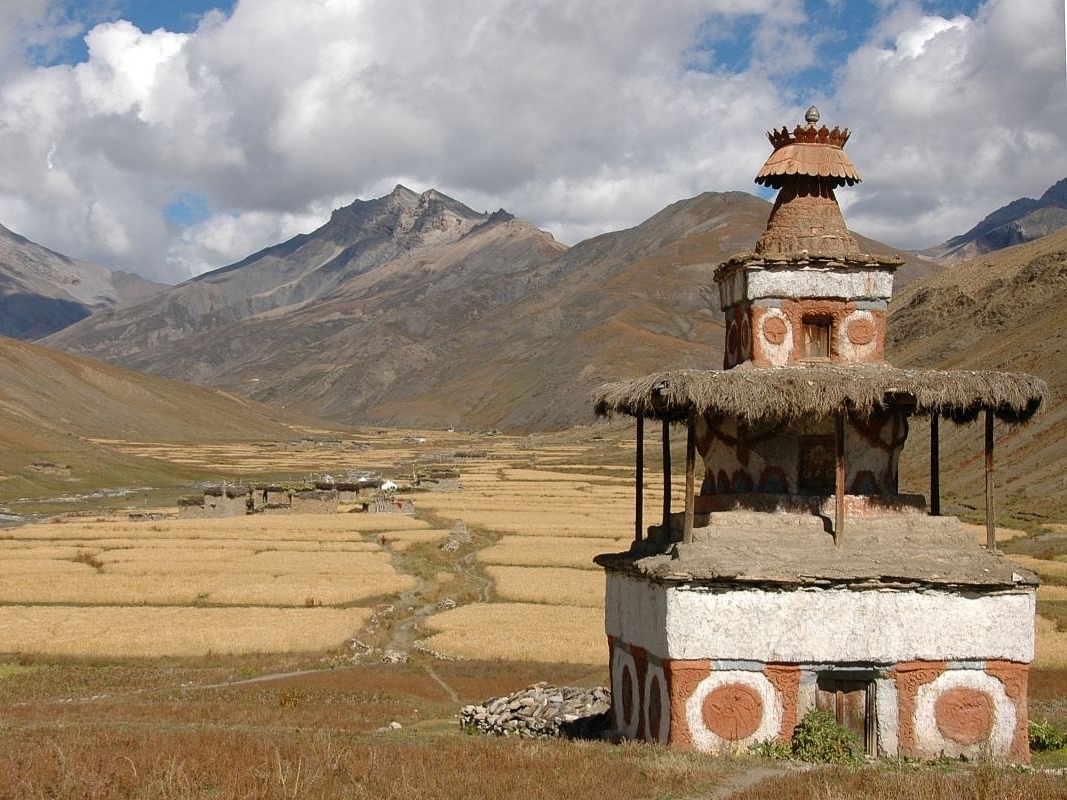
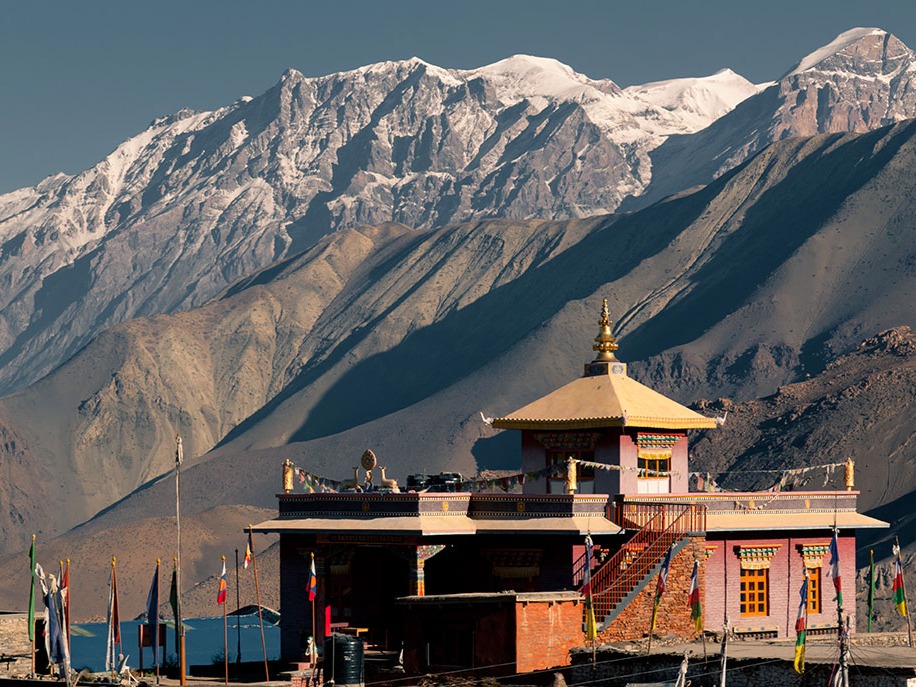
From the adrenaline-pumping Everest Three Passes Trek to the wild, less-traveled trails like Ganja La or Kang La Pass, each route offers its unique brand of adventure. Whether you're craving the solitude of off-the-beaten-path Himalayan adventures or chasing the best panoramic mountain views in Nepal, high pass treks deliver unforgettable moments at every step.
But what makes these challenging treks in Nepal so special? Why do trekkers from around the world return with stories of altitude highs and soul-deep transformation?
In this blog, we’ll walk you through the most iconic trekking passes in Nepal, compare difficulty levels, explore the best seasons, and cover the gear and safety tips you’ll need for a successful journey. Whether you're a seasoned trekker seeking your next test or a dreamer planning your first Himalayan challenge, you’re in the right place.
Let’s dive into Nepal’s ultimate high-altitude experiences, where every pass crossed is a personal summit achieved.
Have you ever wondered what it feels like to stand on a Himalayan pass, thousands of meters above sea level, with prayer flags fluttering in the wind and a 360° view of snow-draped peaks? High pass treks in Nepal offer more than just incredible views, they’re immersive, transformative adventures that test your limits while connecting you deeply with the natural and cultural wonders of the Himalayas. Let’s explore what truly sets these treks apart:
Unlike popular teahouse routes, high-altitude treks in Nepal often take you far from the beaten path. You're not just following a crowd, you’re navigating dramatic mountain passes like Renjo La, Cho La, and Larke Pass, where each step feels like a personal conquest.
These trails are perfect for:
If you're chasing the best panoramic mountain views in Nepal, high pass treks deliver like no other. From the top of a high pass, you’ll witness sprawling vistas that include multiple 8000-meter giants like Everest, Lhotse, Annapurna, and Manaslu, often in a single sweeping view.
Some unforgettable viewpoints include:
Nepal’s trekking passes aren’t just geographical highlights, they're cultural crossroads. As you ascend and descend different valleys, you’ll encounter diverse ethnic groups like the Sherpa, Tamang, Gurung, and Manangi communities. You can expect the following:
These are some of the most challenging treks in Nepal, demanding strong legs, solid acclimatization, and a resilient mindset. But with every difficult climb comes a reward: personal achievement, unmatched scenery, and a story worth telling for life.
With so many incredible trails to choose from, where do you even begin? Whether you're drawn to high Himalayan passes for the thrill, the solitude, or the sheer beauty, Nepal offers a wide range of epic adventures. Here’s a breakdown of the top high-altitude treks in Nepal, each with its flavor of challenge, culture, and awe.
If you're looking for the most complete Himalayan experience, the Everest Three Passes Trek is hard to beat. This demanding loop connects Kongma La (5,535m), Cho La (5,420m), and Renjo La (5,360m), three of the highest trekking passes in Nepal. This trek is best for experienced trekkers wanting the high Himalayan Pass adventures as well can also be mixed with the Everest Base Camp Trek for an epic experience of breathtaking views of Everest, Lhotse, Ama Dablam, Nupse, and Cho Oyu.
Region: Everest Region
Starting Point: Lukla
Altitude: Cho La(5,420m), Renjo La(5,360m), Kongma La(5,550m)
Nearest Landmarks: Gokyo Valley, Thagnak village
Best Time: Spring and autumn seasons
Permits: TIMS and Sagarmatha National Park permit
Treks Related to the pass- Gokyo Chola Pass, Everest base camp trek via Cho la pass, and Gokyo, Everest Three Pass Trek
Once the king of treks in Nepal, the Annapurna Circuit remains iconic thanks to Thorong La Pass (5,416m), a formidable but accessible high point in one of the world's most diverse trekking routes. The Thorongla Pass Trek is best for trekkers seeking a mix of challenge and cultural immersion in villages like Manang and Muktinath.
One can experience the sweeping landscapes from subtropical forest to alpine desert and experience the cultural richness of villages like Manang and Muktinath.
Region: Annapurna Region
Starting Point: Bhulbhule
Altitude: 5,416m
Nearest Landmarks: Yak Kharka and Muktinath
Best Time: Spring and Autumn Season
Permits: TIMS and ACCAP Permits
Treks Related with pass - Annapurna Circuit Trek, Thorong La Pass Trek
Tucked in a restricted area, the Manaslu Circuit Trek circles the world’s 8th-highest mountain and features the breathtaking Larke Pass (5,160m). Fewer crowds and untouched landscapes of the Tibetan-influenced remote villages define this trek. This trek is suitable for hikers who want a culturally rich, less-touristed experience in the wild alpine region. This can be the best choice. Gradual and slow altitude gain, combined with planned acclimatization, will keep you healthy and safer.
Region: Manaslu Region
Starting Point: Soti Khola
Altitude: 5,106m
Nearest Landmarks: Bimtang and Dharmasala
Best Time: Spring and autumn seasons
Permits: Manaslu Restricted Area Permit, Manaslu Conservation Area Project, Annapurna Conservation Area Project
Treks Related to the pass- Manaslu Circuit Trek, Larkya La pass Trek
Looking to escape the tourist trails? The Ganja La Pass (5,122m), branching off the classic Langtang Valley Trek in Nepal’s Langtang region and Langtang National Park, offers a remote, rugged, and deeply rewarding adventure for experienced trekkers with cultural insight into the Tamang and Tibetan cultures. This trek to Ganja La Pass is best for seasonal trekkers chasing off-the-beaten-path in the glacial valley, and they may encounter wildlife such as red panda.
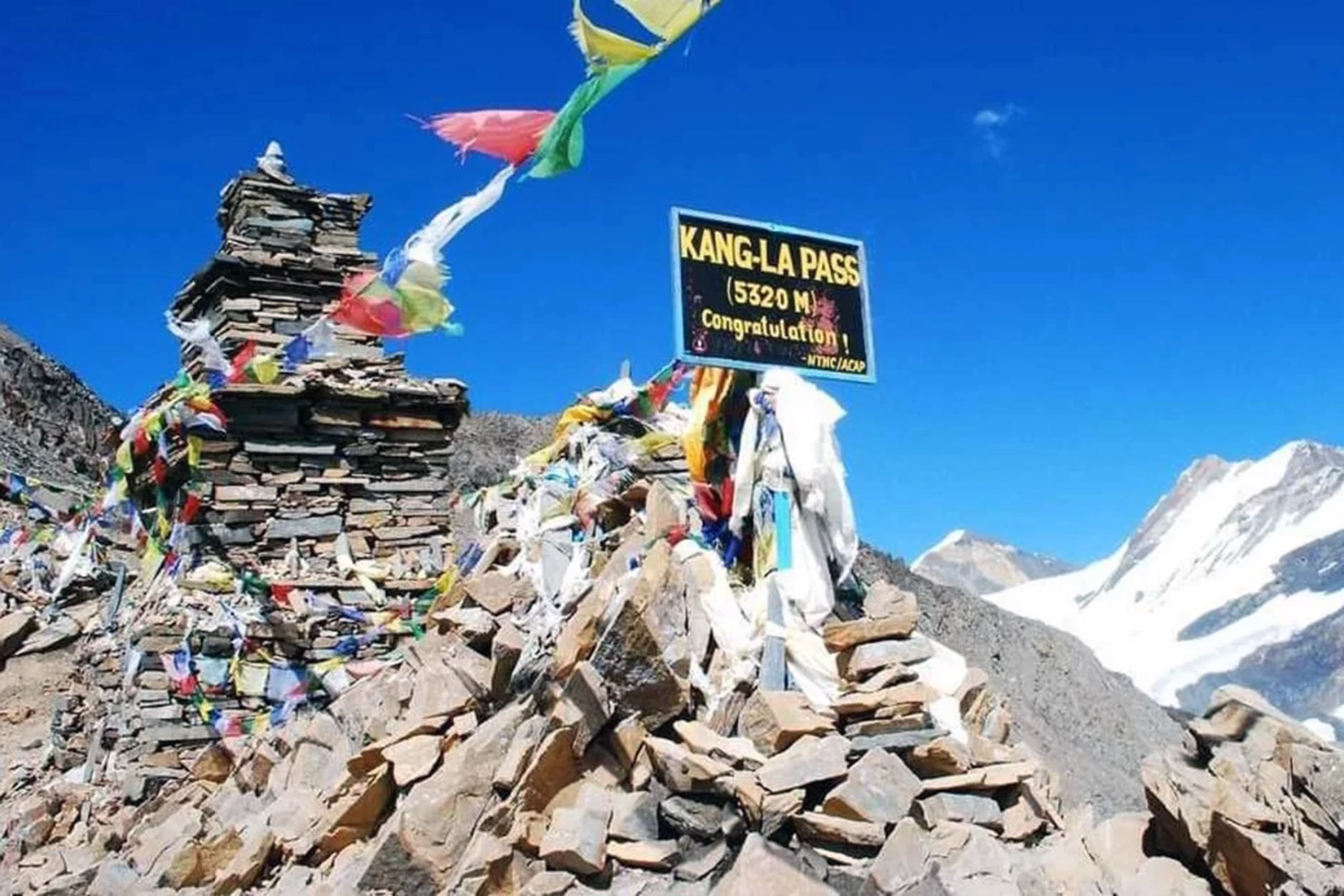
One of Nepal’s best-kept secrets, the Kang La Pass (5,320m) is a highlight of the Narphu Valley Trek, connecting the mystical Nar and Phu valleys with the upper Annapurna region. This trek is steeped in mystery, isolation, and raw beauty. This trek is best for explorers who crave unique high-altitude treks in Barren but breathtaking high-altitude deserts. This is a rarely walked trekking trail with a very personal adventure.
Sele La Pass, sitting at 4,480 m in the Kanchenjunga region, is one of Nepal’s most remote and rarely visited high passes. It lies in the shadow of Mt. Kanchenjunga (8,586 m), the world’s third-highest peak, and serves as a scenic connector between Ghunsa and Cheram.

Unlike more popular routes, only a handful of trekkers make it across this pass each season, making it a true adventure for those seeking untouched trails. The journey passes through wild forests of rhododendron, juniper, and moss-covered woodlands before opening up to breathtaking alpine landscapes.
Not all high pass treks carry equal values, and that’s a good thing. Whether you’re an experienced mountaineer or a first-time high-altitude hiker looking for your next big challenge, Nepal offers a variety of treks to match your skill level, timeline, and travel goals. Here’s how to choose the right one for you:
Start by honestly evaluating your trekking background. High pass routes range from strenuous to extremely technical. For instance:
Time matters a lot during trekking. Some high pass treks require three weeks with acclimatization days, while others are achievable in under 10 days. For example:
Make sure your schedule includes the altitude acclimatization days.
Ask yourself, what excites you more? Whether it’s the dramatic alpine scenery or immersion in traditional Himalayan culture?
Most treks offer a blend of both, but some lean more heavily in one direction. Know your priorities before committing.
Timing your high pass trek in Nepal can make the difference between a breathtaking adventure and a challenging slog through poor weather. Understanding the best seasons helps you optimize your experience, minimize risks, and enjoy Nepal’s stunning Himalayas at their finest.
Spring is arguably one of the best windows for high-altitude trekking. The rhododendrons burst into vibrant bloom, and skies tend to be clear, offering spectacular views of peaks like Annapurna and Everest. The spring offers stable weather, moderate temperatures, longer daylight, and a low risk of rain. Many trekkers choose spring for iconic high pass routes such as the Thorong La Pass Trek and the Everest Three Passes Trek.
Autumn is often considered the peak trekking season in Nepal. After the monsoon’s cleansing rains, the air is crisp and clean, providing some of the best panoramic mountain views Nepal can offer. The autumn highlights the clear blue skies, pleasant temperatures, and vibrant cultural festivals along many trekking routes.
Autumn is especially popular for routes like the Manaslu Circuit and Cho La Pass Trek.
The trails during June to August are muddy and slippery. There is a risk of heavy rainfall followed by landslides and floods.
If you’re set on winter trekking, be prepared for winter high-altitude trek challenges and plan accordingly. Heavy snow can close passes like Thorong La, making trekking hazardous without specialized equipment.
Before lacing up your boots and heading into Nepal’s high-altitude wilderness, understanding the permits and regulations is crucial. Navigating these official requirements ensures your trek runs smoothly and legally, while also supporting conservation and local communities.
Here are the key permits and regulations you need to know:
The Trekkers’ Information Management System (TIMS) card is mandatory for most trekking routes in Nepal, including many high pass treks. It helps authorities track trekkers for safety and environmental reasons. Click this link to know about the regions where TIMS is required. TIMS can be obtained from NTB in Kathmandu and Pokhara.
Certain high pass treks venture into restricted or special regulated zones, including the Manaslu Circuit, Nar Phu Valley, and parts of the Upper Mustang region. At least two trekkers must get Special restricted area permits from a registered trekking company and must hire a trekking guide.
Along high pass routes, you’ll encounter multiple checkpoints where you must show your permits and passport. These checkpoints monitor the trekking activities, control illegal activities and enforce safety regulations. It’s important to carry all your permits and identification at all times to avoid delays or fines.
Preparing well is your best strategy for conquering Nepal’s high passes safely and comfortably. Proper fitness, gear, and knowledge make all the difference when tackling challenging treks at extreme altitudes.
The key areas to focus on when preparing for high pass treks are:
Before your trek, build cardiovascular endurance, leg strength, and overall stamina. Consider:
Equally important is altitude training, if possible, to help your body adjust to lower oxygen levels. If you can’t train at altitude before your trek, plan for extra acclimatization days on the trail.
Weather on high passes can shift rapidly, from sunny warmth to biting cold and fierce winds. A layered clothing system helps you adapt:
Don’t forget essentials like warm gloves, hats, and thermal socks to protect extremities.
Good quality gear can prevent injuries and improve your trekking experience. Must-haves include:
Packing for high pass treks requires balancing weight and preparedness. Tips include:
Refer to a Nepal trek packing checklist specifically tailored for high-altitude treks.
Safety is paramount when trekking through Nepal’s high passes. The combination of rugged terrain, extreme altitude, and unpredictable weather demands vigilance, preparation, and respect for your body’s limits.
Here are the main safety tips for high pass trekking:
Altitude sickness is the biggest health risk on high pass treks. Symptoms can range from mild headaches and nausea to life-threatening conditions like HAPE (high-altitude pulmonary edema) or HACE (high-altitude cerebral edema).
To stay safe:
Proper acclimatization is essential for preventing altitude sickness. Incorporate:
Experienced guides and porters can enhance your safety by:
Choosing reputable trekking agencies ensures trained, knowledgeable support staff.
Always have a clear plan for emergencies:
Being prepared for the unexpected provides peace of mind on your Himalayan adventure.
As we explore Nepal’s breathtaking high passes, it’s essential to trek responsibly, ensuring these fragile alpine ecosystems and local communities thrive for generations to come.
Follow these four essential practices for sustainable and responsible trekking:
High-altitude trails are particularly vulnerable to erosion and pollution. Practice:
Your small efforts help preserve these pristine environments.
Many high pass routes pass through remote villages where trekking income sustains livelihoods. Support them by:
This not only enriches your cultural experience but also empowers communities economically.
Plastic waste is a growing problem on popular trekking routes. Combat this by:
These practices reduce your ecological footprint.
Trekking in Nepal is not just about natural beauty but also cultural immersion. Remember to:
Respectful behavior deepens your connection to the culture and fosters positive interactions.
Embarking on Nepal’s best high pass treks is more than just a physical challenge, it’s a journey into some of the world’s most spectacular landscapes and rich cultural tapestries. Have you imagined standing atop a rugged Himalayan pass, breathing in the crisp mountain air while soaking in panoramic views that few get to witness? Whether you’re drawn by the thrill of conquering challenging treks in Nepal or the unique blend of natural beauty and cultural diversity, these high-altitude adventures offer rewards that go far beyond the summit.
As you plan your next Himalayan expedition, consider what truly matters to you: is it the rugged difficulty of the Everest Three Passes Trek, the serene cultural encounters along the Annapurna Circuit, or perhaps the off-the-beaten-path charm of lesser-known passes like Renjo La or Larke Pass? Choosing the right trek, preparing with the right gear, and understanding how to stay safe at altitude will make all the difference in creating an unforgettable experience.
Remember,trekking in Nepal is not only about pushing your limits but also about respecting the mountains and the communities that call them home. By embracing sustainable and responsible trekking practices, you help preserve these fragile ecosystems and support the livelihoods of local people.
So, are you ready to challenge yourself, embrace the awe-inspiring beauty, and create memories that will last a lifetime? Your next great adventure awaits in the heart of the Himalayas, where every high pass conquered is a story worth telling. Let Gateway Adventure Treks and Expedition guide you through Nepal’s stunning high passes. Contact us now and start your adventure today!






© Copyright Gateway Adventure Treks and Expedition Pvt. Ltd., 2026 All Rights Reserved