Kathmandu Valley Rim Trek
 Certified
  Sustainable
  Best Price
  Challenge level
 Destination Destination
|
Nepal |
|---|---|
 Activity Activity
|
Hiking in Nepal |
 Duration Duration
|
4 Days |
 Group size Group size
|
2-16 Persons |
 Best Season Best Season
|
- |
 Max Altitude Max Altitude
|
- |
 Trip Code Trip Code
|
1037 |
|
Activity Per Day
|
- |
 Grade Grade
|
Easy |
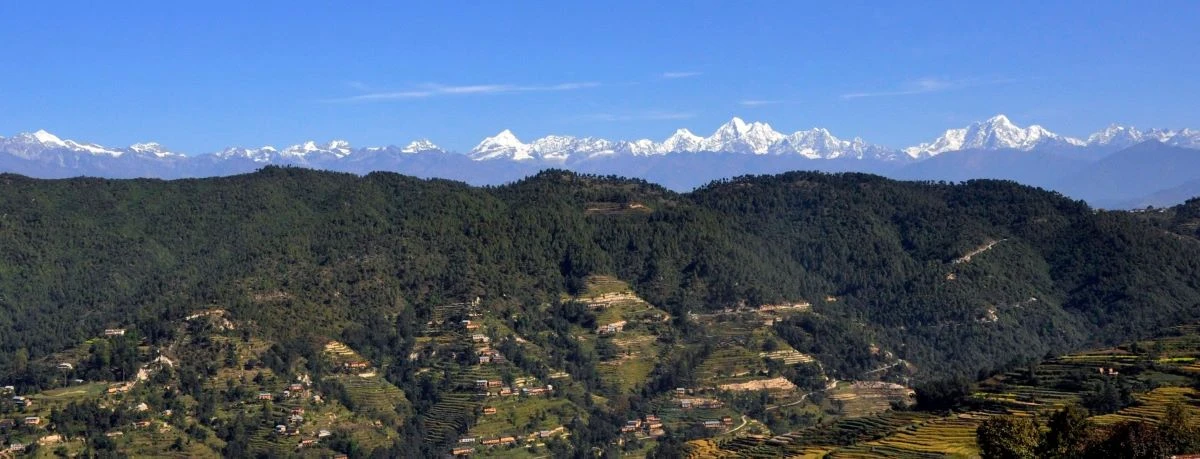
Embark on the Kathmandu Valley Rim Trek and immerse yourself in the breathtaking beauty of Nepal. Traverse scenic trails, witness panoramic Himalayan vistas, and explore traditional villages along the way.
Experience cultural immersion as you visit ancient temples, monasteries, and stupas. From the majestic sunrise at Nagarkot to the serene ambiance of Dhulikhel and the spiritual haven of Namobuddha, this trek promises an unforgettable adventure in the heart of the Himalayas.
The Kathmandu Valley Rim Trek is a popular trekking route that circles the Kathmandu Valley, offering stunning views of the surrounding Himalayan peaks and insights into the cultural and natural diversity of the region. This trek is ideal for those who have limited time but still want to experience the beauty of the Himalayas and Nepalese culture.
Here are some key points about the Kathmandu Valley Rim Trek:
Duration: The trek can typically be completed in 4 to 5 days, depending on the specific itinerary and pace of the trekker.
Starting Point: The trek often begins from Kathmandu or its outskirts, with destinations like Sundarijal, Kakani, or Chisapani commonly serving as starting points.
Route: The trek follows a circular route around the Kathmandu Valley, passing through traditional villages, terraced fields, forests, and ridgelines. Key stops along the way might include Chisapani, Nagarkot, Dhulikhel, and Namobuddha.
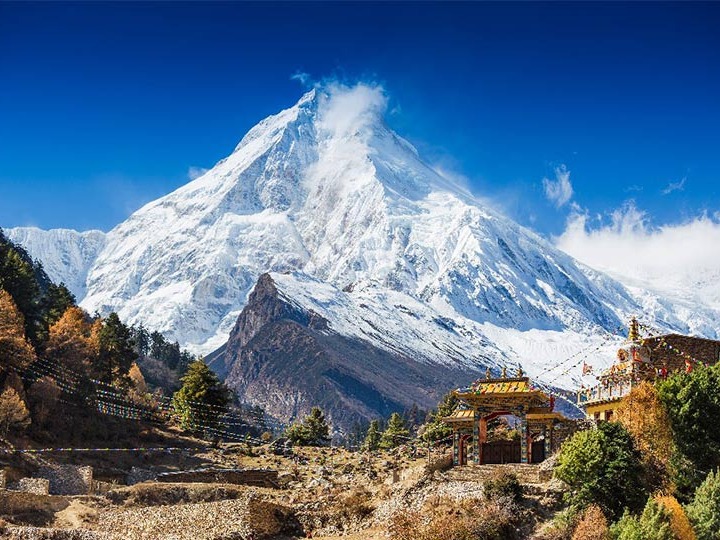
Scenery: Trekkers are treated to breathtaking views of the Himalayas, including peaks such as Langtang, Ganesh Himal, Dorje Lakpa, Gauri Shankar, and even Everest on a clear day. The landscape varies from lush forests to alpine meadows and terraced farmland.
Culture: Along the trail, trekkers have the opportunity to interact with local communities belonging to various ethnic groups such as Tamangs, Newars, and Brahmins. They can explore ancient temples, monasteries, and traditional villages, gaining insight into the rich cultural heritage of Nepal.
Difficulty: The Kathmandu Valley Rim Trek is considered a moderate trek, suitable for beginners as well as experienced trekkers. The altitude is relatively lower compared to other popular treks in Nepal, making it more accessible to a wider range of people.
Accommodation: Accommodation options along the route range from teahouses to guesthouses, offering basic amenities such as meals and lodging. Trekkers can experience the warmth and hospitality of the local people while enjoying comfortable stays.
Best Time to Trek: The best time to undertake the Kathmandu Valley Rim Trek is during the spring (March to May) and autumn (September to November) seasons when the weather is clear, and the views are spectacular. Winter treks are also possible, but temperatures can be colder, and trails may be snow-covered in higher elevations. The Kathmandu Valley Rim Trek is filled with highlights that showcase the stunning natural beauty, rich cultural heritage, and diverse landscapes of the region. Here are some of the key highlights:
Panoramic Mountain Views: One of the main highlights of the trek is the opportunity to witness breathtaking panoramic views of the Himalayan mountain range. On clear days, trekkers can see iconic peaks such as Langtang, Ganesh Himal, Dorje Lakpa, Gauri Shankar, and even Mount Everest in the distance.
Scenic Trails: The trek takes you through picturesque trails that wind through lush forests, terraced fields, charming traditional villages, and scenic ridgelines. Every turn offers stunning vistas and opportunities for photography.
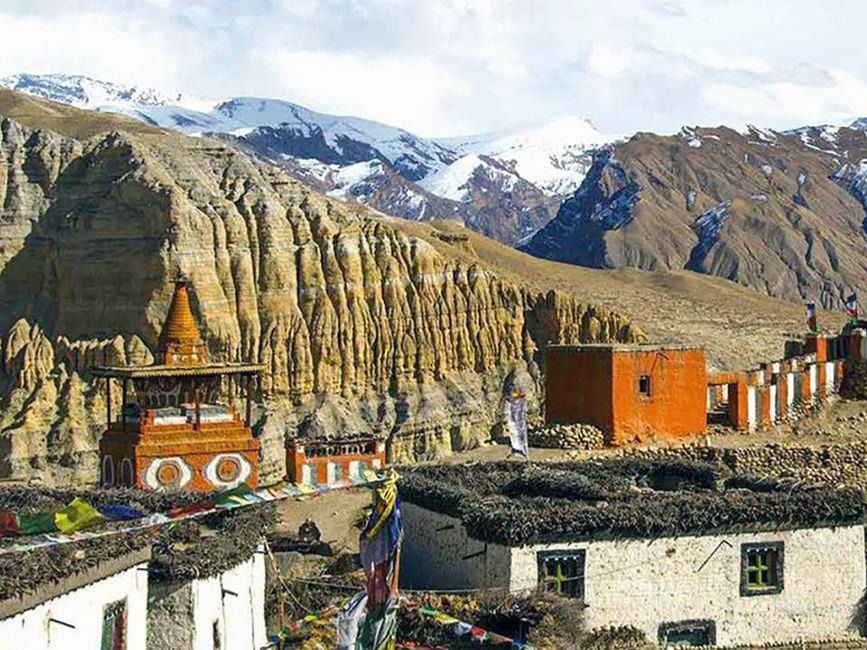
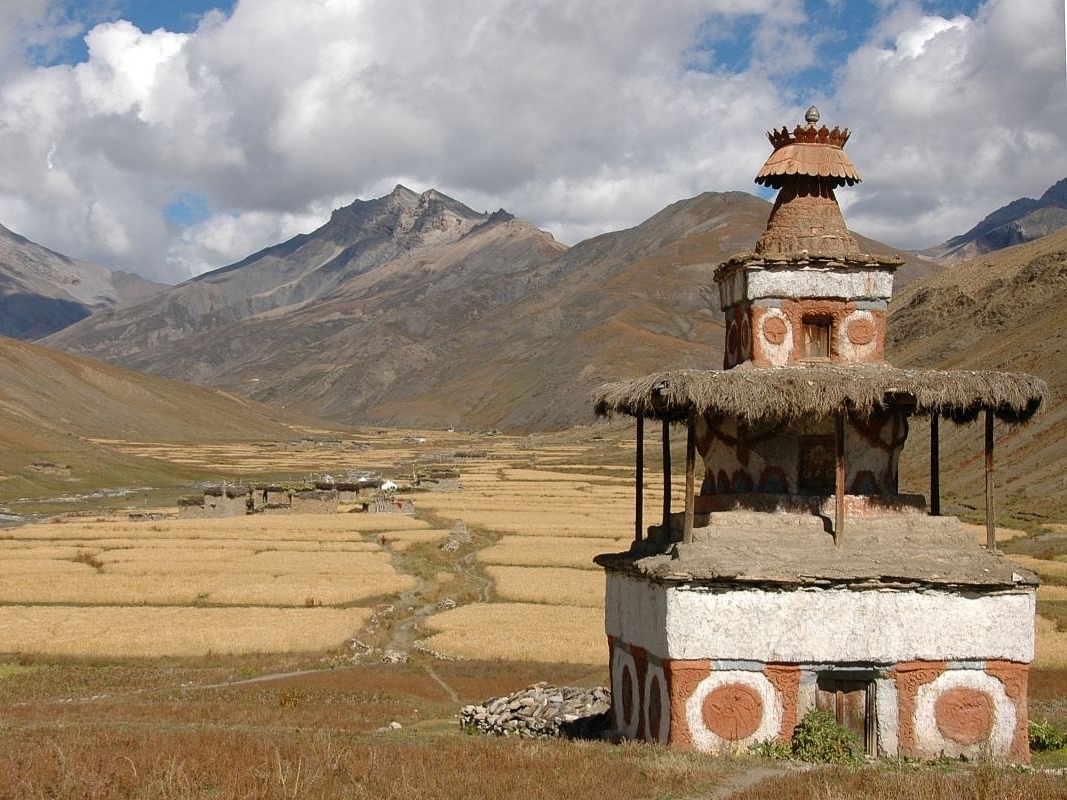
Cultural Immersion: Along the route, trekkers have the chance to immerse themselves in the rich cultural heritage of Nepal. They can visit ancient temples, monasteries, and stupas, interact with local communities, and witness traditional rituals and practices.
Traditional Villages: The trek passes through several traditional Nepalese villages inhabited by various ethnic groups such as Tamangs, Newars, Brahmins, and more. These villages offer insight into rural life in Nepal and provide opportunities for cultural exchange.
Sundarijal Waterfall: Sundarijal, a popular starting point for the trek, is known for its beautiful waterfall surrounded by lush greenery. Trekkers can enjoy a refreshing stop here before beginning their journey into the mountains.
Nagarkot Sunrise and Sunset: Nagarkot, another highlight of the trek, is renowned for its spectacular sunrise and sunset views over the Himalayas. Trekkers often spend a night here to witness the stunning colors painted across the sky as the sun rises or sets behind the majestic peaks.
Dhulikhel’s Newari Architecture: Dhulikhel is a charming town renowned for its well-preserved Newari architecture. Trekkers can wander through its narrow cobbled streets, admire ancient temples and buildings adorned with intricate woodcarvings, and soak in the old-world charm of the town.
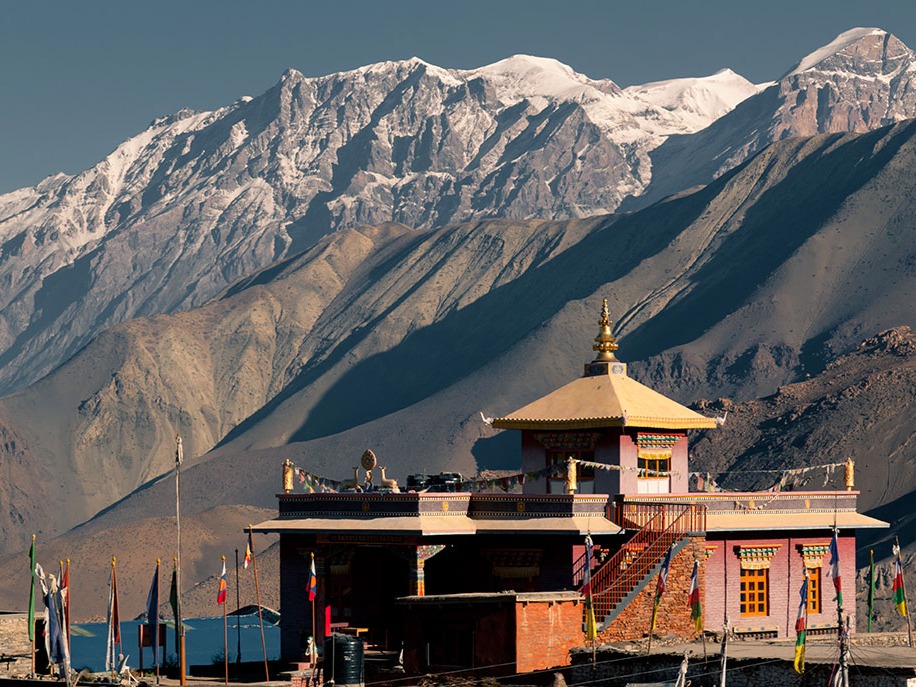
Namobuddha Monastery: The trek culminates at Namobuddha, a sacred Buddhist pilgrimage site known for its monastery and stupa. According to legend, this is where Lord Buddha, in a previous life, offered his body to a starving tigress and her cubs. The monastery and surrounding area offer tranquility and spiritual reflection.
These highlights, among others, make the Kathmandu Valley Rim Trek a truly memorable and enriching experience for trekkers seeking adventure, culture, and natural beauty in the heart of Nepal. Overall, the Kathmandu Valley Rim Trek offers a rewarding experience for trekkers seeking a blend of natural beauty, cultural immersion, and adventure, all within close proximity to Nepal's bustling capital city.
| # | Activity | Overnight | Distance / Time | Meals |
|---|---|---|---|---|
| Day 01 | Kathmandu to Chisapani 7,545 Feet / 2,300 Meters. | Hotel | Breakfast + Lunch + Dinner | |
| Day 02 | Chisapani to Nagarkot 2195 7,136 ft | Hotel/Lodge | Breakfast + Lunch + Dinner | |
| Day 03 | Nagarkot to Dhukhel 1,470 m (4,822 ft) | Hotel/Lodge | Breakfast + Lunch + Dinner | |
| Day 04 | Drive Back from Dhukhel to kathmandu 1400m | Hotel/Lodge | Breakfast + Lunch + Dinner |
Departure from Kathmandu: Begin your day early in the morning, departing from Kathmandu. You can arrange for private transportation or take a local bus to Sundarijal, the gateway to the trekking route.
Drive to Sundarijal: The journey from Kathmandu to Sundarijal takes approximately 1 to 1.5 hours, depending on traffic and road conditions. Enjoy the scenic drive as you leave the bustling city behind and head towards the outskirts.
Arrival in Sundarijal: Upon reaching Sundarijal, take some time to stretch your legs and explore the area. Sundarijal is known for its beautiful waterfall and provides a refreshing start to your trek.
Begin Trek to Chisapani: From Sundarijal, start your trek towards Chisapani. The trail initially passes through lush forests and climbs gradually uphill. Enjoy the cool breeze and the sounds of nature as you ascend.
Lunch Break: After a few hours of trekking, take a break for lunch at a suitable spot along the trail. You can carry packed lunch or stop at a local teahouse to enjoy a hot meal.
Continue Trekking: After lunch, resume your trek towards Chisapani. The trail meanders through rhododendron forests and offers occasional glimpses of distant mountain peaks on clear days.
Arrival in Chisapani: As you approach Chisapani, you'll be greeted by panoramic views of the Himalayas. Chisapani is a picturesque hill station located at an elevation of around 2,215 meters (7,265 feet). Upon arrival, check into your teahouse or lodge and relax after a rewarding day of trekking.
Evening at Chisapani: Spend the evening exploring Chisapani and enjoying the serene atmosphere. You can take a short walk around the village, interact with locals, or simply admire the sunset over the mountains.
Dinner and Overnight Stay: Conclude your day with a hearty dinner at the teahouse or lodge. Enjoy delicious Nepali cuisine and settle in for a restful night's sleep, rejuvenating yourself for the adventures that lie ahead.
Morning in Chisapani: Wake up early to catch the sunrise over the Himalayas from Chisapani. The morning light illuminating the snow-capped peaks is a breathtaking sight and not to be missed. After enjoying the sunrise, have breakfast at your teahouse or lodge.
Start Trek to Nagarkot: Begin your trek from Chisapani to Nagarkot. The trail descends initially, taking you through forests and terraced farmland. As you walk, you'll have occasional views of the surrounding hills and valleys.
Lunch Break: Stop for lunch at a suitable spot along the trail. You can either have a packed lunch or dine at a local teahouse en route.
Continue Trekking: After lunch, continue trekking towards Nagarkot. The trail gradually ascends as you make your way through charming villages and scenic landscapes. Take your time to enjoy the natural beauty and tranquility of the surroundings.
Arrival in Nagarkot: As you approach Nagarkot, you'll be rewarded with stunning panoramic views of the Himalayas, including peaks like Langtang, Ganesh Himal, and even Mount Everest on clear days. Nagarkot is renowned for its spectacular sunrise and sunset views, making it a popular destination for trekkers and tourists alike.
Check-in at Accommodation: Upon arrival in Nagarkot, check into your hotel or guesthouse. Nagarkot offers a range of accommodation options, from basic teahouses to luxury resorts, so you can choose according to your preference and budget.
Exploring Nagarkot: Spend the rest of the day exploring Nagarkot and its surroundings. You can take a leisurely stroll around the village, visit the Nagarkot View Tower for panoramic views, or simply relax and soak in the serene ambiance.
Sunset Viewing: In the evening, head to a suitable vantage point to witness the mesmerizing sunset over the Himalayas. The changing colors of the sky as the sun dips below the horizon create a magical experience that you'll cherish forever.
Dinner and Overnight Stay: Conclude your day with a delicious dinner at your accommodation. Enjoy the warmth of Nepali hospitality and retire to your room for a well-deserved rest after a day of trekking and exploration.
Morning in Nagarkot: Start your day early to catch the stunning sunrise over the Himalayas from Nagarkot. The panoramic views of the snow-capped peaks bathed in golden light are truly mesmerizing. After enjoying the sunrise, have breakfast at your accommodation.
Begin Trek to Dhulikhel: Start your trek from Nagarkot to Dhulikhel. The trail descends gradually, offering scenic views of terraced fields, traditional villages, and lush green hillsides. Take your time to soak in the natural beauty of the surroundings as you walk.
Lunch Break: Stop for lunch at a suitable spot along the trail or in one of the villages you pass through. You can choose to have a packed lunch or dine at a local teahouse.
Continue Trekking: After lunch, continue trekking towards Dhulikhel. The trail winds through forests and countryside, with occasional uphill climbs and downhill stretches. Keep an eye out for beautiful landscapes and cultural landmarks along the way.
Arrival in Dhulikhel: As you approach Dhulikhel, you'll be greeted by the charming ambiance of this historic town. Dhulikhel is known for its well-preserved Newari architecture, ancient temples, and panoramic views of the Himalayas.
Check-in at Accommodation: Upon arrival in Dhulikhel, check into your hotel or guesthouse. Dhulikhel offers a range of accommodation options, from traditional Newari guesthouses to modern hotels, so you can choose according to your preference and budget.
Exploring Dhulikhel: Spend the rest of the day exploring Dhulikhel and its attractions. You can take a leisurely walk through the town's narrow streets, visit ancient temples and shrines, or admire the intricate woodcarvings on traditional buildings.
Sunset Viewing: In the evening, head to a suitable vantage point to enjoy the sunset views over the Himalayas from Dhulikhel. The changing colors of the sky as the sun sets behind the mountains create a magical atmosphere that is not to be missed.
Dinner and Overnight Stay: Conclude your day with a delicious dinner at your accommodation. Relax and unwind after a day of trekking, and prepare for the adventures that await you on the next leg of your journey.
Morning in Dhulikhel: Start your day with breakfast at your accommodation in Dhulikhel. Enjoy the serene ambiance of the town as you prepare for your journey back to Kathmandu.
Check-out: After breakfast, check out from your hotel or guesthouse in Dhulikhel. Ensure that you have all your belongings packed and ready for the journey.
Drive to Kathmandu: Begin your drive back to Kathmandu. The journey typically takes around 1.5 to 2 hours, depending on traffic conditions and the route taken. Enjoy the scenic views along the way as you descend from the hills towards the Kathmandu Valley.
Arrival in Kathmandu: Upon reaching Kathmandu, you'll be dropped off at your accommodation or a convenient location in the city. Take some time to rest and freshen up after the journey.
Exploring Kathmandu (Optional): Depending on your schedule and preferences, you may choose to spend the rest of the day exploring Kathmandu. You can visit cultural sites such as Durbar Square, Swayambhunath Stupa (Monkey Temple), Boudhanath Stupa, or Pashupatinath Temple.
Shopping and Dining: If you have time, you can indulge in some shopping for souvenirs or handicrafts in Kathmandu's vibrant markets. Don't forget to try some delicious Nepali cuisine at one of the city's many restaurants or street food stalls.
Relaxation: Alternatively, you may opt to relax and unwind at your accommodation, reflecting on the memorable experiences of your trek and enjoying some downtime before your departure.
Departure: If your trip to Kathmandu marks the end of your journey, make sure to arrange transportation to the airport or your next destination as per your travel plans. If you have additional days in Kathmandu, you can use them to explore more of the city's attractions or participate in cultural activities.
This marks the conclusion of your trek from Dhulikhel to Kathmandu, wrapping up your adventure with a scenic drive back to the bustling capital city of Nepal.
The Kathmandu Valley Rim Trek is a popular trekking route that encircles the Kathmandu Valley, offering trekkers a chance to experience the natural beauty, cultural diversity, and stunning mountain views of Nepal within close proximity to the capital city of Kathmandu. This trek typically takes 3 to 7 days to complete, depending on the specific itinerary chosen and the pace of the trekker.
During the trek, participants embark on a journey through lush forests, terraced fields, traditional villages, and scenic ridgelines. The trail passes through various ethnic communities, providing opportunities for cultural immersion and interaction with local people. Trekkers can explore ancient temples, monasteries, and stupas along the route, gaining insight into Nepal's rich cultural heritage.
Key highlights of the Kathmandu Valley Rim Trek include panoramic views of the Himalayan mountain range, including peaks such as Langtang, Ganesh Himal, Dorje Lakpa, and Gauri Shankar. Trekkers also have the chance to witness breathtaking sunrises and sunsets over the mountains from vantage points such as Nagarkot and Dhulikhel.
Accommodation options along the trekking route range from teahouses to guesthouses, providing basic amenities such as meals and lodging. The trek is considered suitable for beginners as well as experienced trekkers, with moderate difficulty level and relatively lower altitudes compared to other treks in Nepal.
Overall, the Kathmandu Valley Rim Trek offers a rewarding and unforgettable adventure, combining natural beauty, cultural exploration, and outdoor experiences in the scenic landscapes surrounding Kathmandu Valley.
The duration of the Kathmandu Valley Rim Trek can vary depending on several factors, including the specific route chosen, the pace of the trekker, and any side trips or additional activities included in the itinerary. Generally, the trek can be completed in 3 to 7 days.
Here's a rough breakdown of the duration based on common itineraries:
Shorter Trek (3-4 days):
A shorter version of the trek may cover key highlights such as Chisapani, Nagarkot, and Dhulikhel in 3 to 4 days. This condensed itinerary involves hiking for several hours each day to cover the distance between these points.
Standard Trek (5-6 days):
The standard Kathmandu Valley Rim Trek typically takes around 5 to 6 days to complete. This itinerary allows for a more relaxed pace and may include additional stops or side trips along the route, providing ample time for exploration and acclimatization.
Extended Trek (7 days or more):
Some trekkers may opt for a more leisurely pace or include extra days for side trips, cultural experiences, or rest days. An extended version of the trek could take 7 days or more, allowing for a deeper immersion into the local culture and landscape.
Ultimately, the duration of the Kathmandu Valley Rim Trek can be tailored to suit the preferences and fitness levels of the trekkers. It's essential to choose an itinerary that aligns with your interests, time constraints, and trekking experience to ensure a rewarding and enjoyable experience.
The best time to do the Kathmandu Valley Rim Trek is during the spring (March to May) and autumn (September to November) seasons. These months offer the most favorable weather conditions and provide optimal visibility for enjoying the stunning mountain views and natural beauty of the region.
Here's why these seasons are ideal for the trek:
Spring (March to May):
Spring is considered one of the best times to trek in Nepal, including the Kathmandu Valley Rim Trek. During this season, the weather is generally mild and stable, with clear skies and warm temperatures during the day.
The spring months also coincide with the blooming of rhododendrons, Nepal's national flower, adding vibrant colors to the landscape and enhancing the overall trekking experience.
Autumn (September to November):
Autumn is another popular time for trekking in Nepal, characterized by clear skies, cool temperatures, and minimal rainfall. The weather is typically dry and stable, making it ideal for outdoor activities such as trekking.
During autumn, the air is crisp and visibility is excellent, offering panoramic views of the Himalayan mountains, including peaks like Langtang, Ganesh Himal, and even Mount Everest on clear days.
Both spring and autumn provide comfortable trekking conditions, making them suitable for adventurers of all skill levels. However, it's essential to be prepared for variable weather conditions, especially at higher altitudes, and to check weather forecasts before embarking on the trek.
While trekking is possible during other times of the year, such as winter and monsoon seasons, the weather conditions may be less predictable, with colder temperatures, rain, and snow in some areas. Therefore, spring and autumn are generally recommended as the best times to undertake the Kathmandu Valley Rim Trek for the most enjoyable and rewarding experience.
Yes, the Kathmandu Valley Rim Trek is suitable for beginners, as well as for trekkers with moderate fitness levels. Here are some reasons why it is considered suitable for beginners:
Moderate Difficulty: The Kathmandu Valley Rim Trek is classified as a moderate trek, meaning it involves some uphill climbs and descents, but the overall difficulty level is manageable for most people with basic fitness levels. The altitude is relatively lower compared to other popular treks in Nepal, making it more accessible to beginners.
Shorter Duration: The trek can typically be completed in 3 to 7 days, depending on the specific itinerary chosen. Shorter itineraries may involve hiking for several hours each day, but they still provide enough time to cover the distance comfortably without being overly strenuous.
Well-Marked Trails: The trails along the Kathmandu Valley Rim Trek are well-marked and relatively easy to navigate, reducing the likelihood of getting lost, especially for beginners who may not have extensive trekking experience.
Cultural Experience: The trek offers opportunities for cultural immersion and interaction with local communities along the route. This aspect of the trek can be enriching and enjoyable for beginners who are interested in experiencing the cultural heritage of Nepal.
Scenic Beauty: Despite its moderate difficulty level, the Kathmandu Valley Rim Trek offers stunning views of the Himalayas, lush forests, terraced fields, and traditional villages. The natural beauty of the landscape provides motivation and reward for beginners as they progress along the trekking route.
Supportive Infrastructure: Along the trekking route, there are accommodation options available, ranging from teahouses to guesthouses, providing basic amenities such as meals and lodging. This infrastructure makes the trek more accessible and comfortable for beginners, as they can rest and recharge each day.
While the Kathmandu Valley Rim Trek is suitable for beginners, it's essential to prepare adequately before undertaking the trek. This includes building up your fitness levels through regular exercise, ensuring you have appropriate trekking gear and clothing, and acclimatizing to the altitude gradually. Additionally, it's advisable to consult with a local guide or trekking agency for guidance and support during the trek. With proper preparation and a positive attitude, beginners can enjoy a memorable and rewarding experience on the Kathmandu Valley Rim Trek.
The accommodations during a trek can vary widely depending on the location, difficulty level, and the type of trek you're undertaking. Here's a general overview of the types of accommodations you might encounter:
Teahouses/Lodges: In many popular trekking destinations such as the Himalayas or the Andes, teahouses or lodges are commonly found along trekking routes. These are basic accommodations offering rooms with beds or mattresses, often with shared bathrooms. Some teahouses also have dining areas where trekkers can enjoy meals and socialize with other travelers.
Camping: For more remote or less developed trekking routes, camping may be the only option for accommodation. Trekkers carry their own tents and camping equipment and set up camp at designated sites along the trail. Camping allows for a more immersive experience in nature but requires more preparation and self-sufficiency.
Guesthouses/Homestays: In some regions, particularly in rural areas, trekkers may have the option to stay in guesthouses or homestays with local families. This provides an opportunity to experience the local culture and hospitality firsthand. Accommodations in guesthouses or homestays can range from simple rooms to more comfortable accommodations, depending on the location.
Mountain Huts/Refuges: In mountainous regions such as the Alps, mountain huts or refuges are available for trekkers. These are basic shelters located at higher elevations, offering dormitory-style accommodation and sometimes meals. Mountain huts provide a convenient place for trekkers to rest and seek shelter, especially in alpine environments where weather conditions can be unpredictable.
Luxury Lodges: In some popular trekking destinations, such as parts of Nepal, there are also luxury lodges available along certain trekking routes. These lodges offer more comfortable accommodations with private rooms, hot showers, and sometimes even amenities like WiFi and spa facilities. Luxury lodges cater to trekkers who prefer more comfort and convenience during their trekking experience.
It's essential to research the specific trek you plan to undertake to understand the available accommodations and plan accordingly. Additionally, booking accommodations in advance may be necessary, especially during peak trekking seasons when accommodations can fill up quickly.
Permits are typically required for the Kathmandu Valley Rim Trek. This trek is a relatively short and less remote trek compared to others in Nepal, and it doesn't venture into restricted areas or national parks that typically require permits.
However, regulations and requirements can change, so it's essential to double-check with the latest information from reliable sources such as the Nepal Tourism Board or local trekking agencies before embarking on the trek. Even if permits are not required for the trek itself, it's essential to ensure you have any necessary permits for side trips or visits to specific cultural or natural sites along the way. Additionally, having the necessary permits for trekking in Nepal, such as the TIMS (Trekkers' Information Management System) card, is generally recommended for trekking in the country.
The duration of a Kathmandu trip can vary depending on your interests, available time, and what you want to experience in the city and its surrounding areas. Here are some considerations for planning the duration of your Kathmandu trip:
City Sightseeing: If you're primarily interested in exploring the cultural and historical attractions within Kathmandu city, you could spend 2-3 days visiting places like Kathmandu Durbar Square, Swayambhunath Stupa (Monkey Temple), Pashupatinath Temple, Boudhanath Stupa, and Patan Durbar Square. This duration allows you to explore the main highlights of the city at a leisurely pace.
Day Trips: Kathmandu serves as a gateway to several nearby destinations that are perfect for day trips, such as Bhaktapur, Patan, Nagarkot, and Dhulikhel. Adding a day or two for these excursions allows you to experience more of the Kathmandu Valley's cultural heritage, scenic landscapes, and traditional villages.
Outdoor Activities: If you're interested in outdoor adventures such as trekking, mountain biking, or river rafting, you may want to allocate additional time for these activities. Depending on the duration and difficulty level of your chosen adventure, you may need anywhere from a few days to a couple of weeks.
Shopping and Leisure: Kathmandu is known for its vibrant markets, where you can shop for handicrafts, souvenirs, clothing, and other local products. You may want to dedicate some time for shopping and leisure activities, such as exploring the narrow streets of Thamel, dining at local restaurants, or attending cultural performances.
Based on these considerations, a typical Kathmandu trip could range from 3-7 days or more, depending on your preferences and available time. Whether you're planning a short city break or a more extensive exploration of the Kathmandu Valley and its surroundings, it's essential to prioritize your interests and activities to make the most of your time in this culturally rich and diverse destination.
Chisapani is situated at an altitude of approximately 2,215 meters (7,267 feet) above sea level, while Nagarkot sits at around 2,175 meters (7,135 feet) above sea level. These elevations are relatively moderate and generally do not pose significant altitude-related challenges for most trekkers.
However, it's still essential to be aware of the potential effects of altitude and to acclimatize accordingly, especially if you are sensitive to changes in elevation. While these altitudes are not extremely high compared to some other trekking destinations in Nepal, it's always a good idea to monitor your physical condition and take appropriate precautions to prevent altitude sickness.
For beginners in trekking, the Ghorepani Poon Hill trek is often recommended as one of the best options in Nepal. Here's why:
Moderate Difficulty: The Ghorepani Poon Hill trek is considered relatively easy compared to other treks in Nepal. It involves moderate walking and doesn't require previous trekking experience or technical skills.
Short Duration: The trek typically takes around 4 to 5 days to complete, making it ideal for beginners who may not want to commit to longer, more strenuous treks.
Scenic Views: Despite its shorter duration, the trek offers stunning views of the Annapurna and Dhaulagiri mountain ranges, including the iconic sunrise view from Poon Hill.
Cultural Experience: Along the way, trekkers have the opportunity to interact with local communities, experience the unique culture of the Gurung and Magar ethnic groups, and visit traditional villages.
Well-Established Route: The trail is well-marked and well-traveled, with tea houses and lodges available for accommodation along the route. This makes it easier for beginners to navigate and plan their trek without needing extensive logistical support.
Overall, the Ghorepani Poon Hill trek offers a perfect introduction to trekking in Nepal, combining manageable difficulty with breathtaking scenery and cultural immersion.
To book the Kathmandu Valley Rim Trek, simply contact Gateway Adventure Treks and Expedition via our website or customer service for availability and detailed information. A 10% deposit is required at the time of booking to secure your spot, with the remaining balance due before the tour starts. Payments can be made through secure methods such as bank transfer, credit card, or online platforms. For cancellations or changes, Gateway Adventure Treks and Expedition provides clear guidelines, with partial refunds available depending on the timing. Be sure to review the booking terms and conditions to ensure a smooth process.
Though we recommend booking in advance to secure your spot on the tour, Gateway Adventure Treks and Expeditions accepts the last- minute bookings. For these bookings, full payment (100% of the tour price) is required at least 24 hours prior to departure. Please note that while we strive to offer flexibility, we cannot be responsible for any delays or unforeseen issues such as weather conditions or unavailable accommodations.
For last- minute bookings or inquiries, contact us at +977- 9851360663 or email us at info@gatewaytreks.com
Experience local culture
Best Price Guaranteed
Well-crafted itinerary
Free Sightseeing & Hotel
gatewaytreks@gmail.com







© Copyright Gateway Adventure Treks and Expedition Pvt. Ltd., 2026 All Rights Reserved