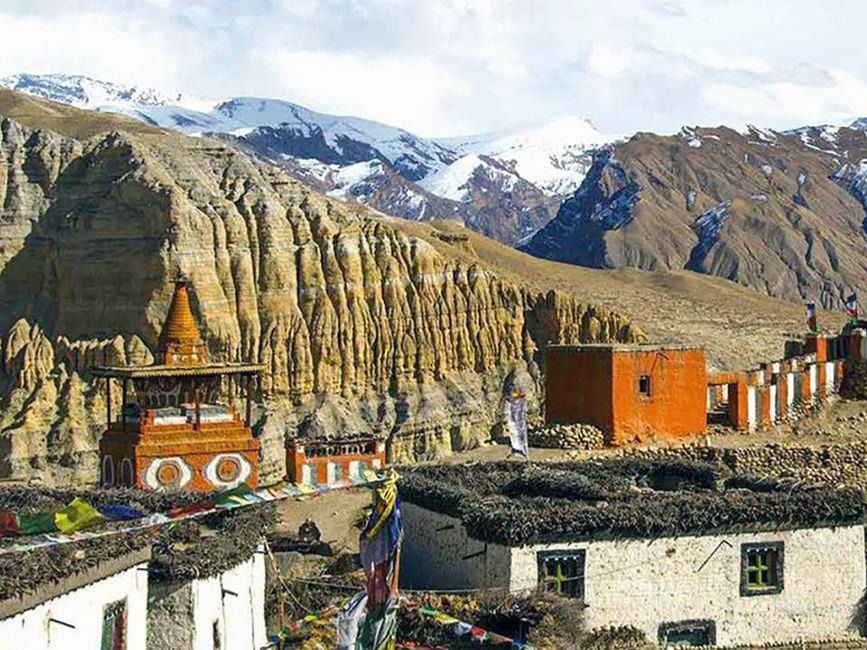
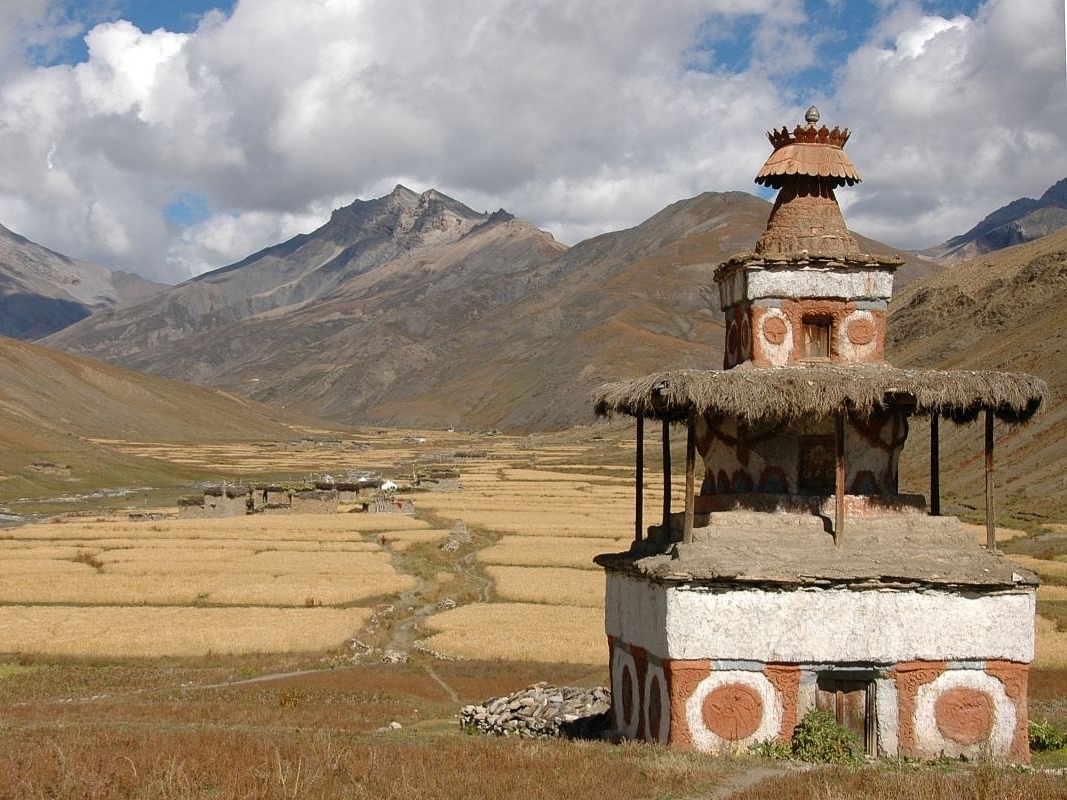
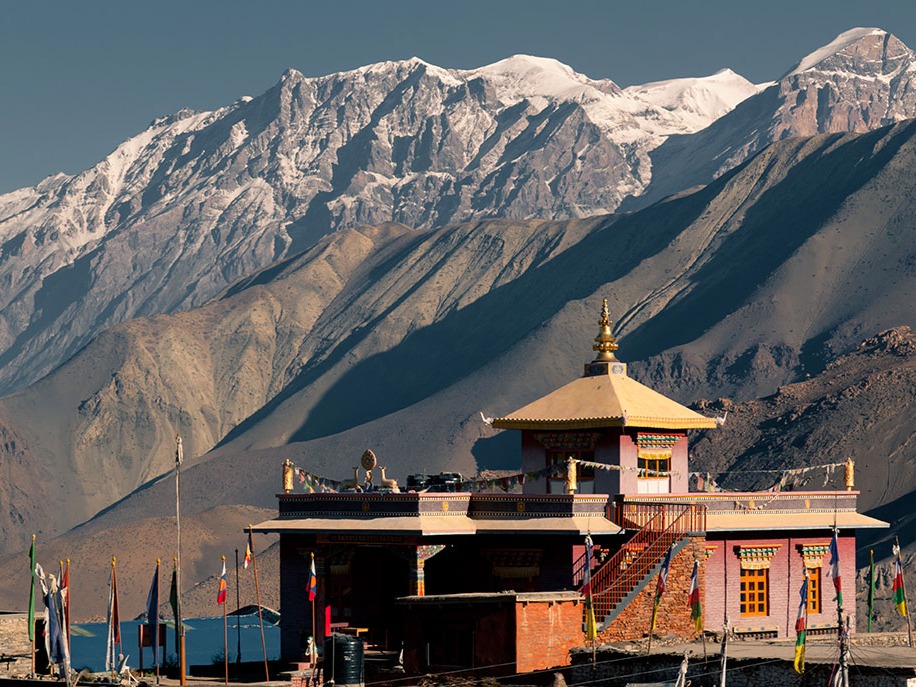
Are you dreaming of a trek in Nepal that leads far from the crowds, where the quiet of the mountains replaces the buzz of tourist hotspots? If you're seeking something more meaningful, a journey through untouched landscapes, rare Himalayan cultures, and remote trails, then the off-the-beaten-path treks in Nepal for 2025/2026 are your perfect escape. Unlike the heavily trafficked Everest Base Camp or Annapurna Circuit, these hidden treks in Nepal offer solitude, scenic beauty, and cultural authenticity that few travelers get to experience.
In this blog, we’ll uncover some of the best unknown treks in Nepal, including Tsum Valley, Upper Dolpo, Makalu Base Camp, and Kanchenjunga. You'll also find practical insights on permits for restricted areas, fitness requirements, best trekking seasons, and how to pack smart for remote adventures. Whether you’re an experienced trekker or venturing into Nepal’s wilderness for the first time, this guide will help you explore less crowded treks in Nepal while supporting local communities and embracing sustainable travel.
When most people think of trekking in Nepal, iconic names like Everest Base Camp or the Annapurna Circuit likely come to mind. But what if we told you that the true magic of the Himalayas often lies far from these crowded paths?
If you're the kind of traveler who values solitude, authenticity, and untouched beauty, then Nepal’s off the beaten path treks are exactly what you're looking for.
Choosing hidden treks in Nepal isn’t just about avoiding tourist traffic, it’s about stepping into a world where ancient traditions still thrive, mountain villages remain unchanged for centuries, and the only noise is the whisper of wind across high-altitude passes.
Here’s why these less crowded treks in Nepal offer a richer, more rewarding experience:
Imagine trekking for hours and not seeing another soul, just towering peaks, alpine forests, and the occasional grazing yak. That’s the magic of solitude treks in the Himalayas.
Whether you're hiking through the wilds of Upper Dolpo or the sacred valleys of Tsum, you’ll find space to reflect, connect, and breathe.
On these remote Himalayan treks, you're not just passing through you’re often welcomed as a guest.
These interactions offer a window into a side of Nepal that mass tourism rarely touches.
With fewer trekkers comes less environmental impact, and that means the natural surroundings remain nearly untouched.
Routes like the Makalu Base Camp or API Base Camp trek in Nepal take you through some of the country's most biodiverse regions.
By choosing rare Himalayan treks and partnering with ethical trekking agencies, you're helping spread tourism more evenly across the country, reducing pressure on popular routes and bringing income to remote communities.
It’s a win-win:
Nepal is a land of endless adventure, and if you're craving less crowded treks filled with raw beauty and cultural authenticity, you’re in for a treat. While the popular trails have their charm, the real treasures lie in the hidden treks of Nepal routes that few tourists ever discover.
These remote Himalayan treks are perfect for trekkers seeking something different: unspoiled trails, warm encounters with mountain communities, and the thrill of the unknown.
Below is your curated guide to some of the best unknown treks in Nepal for 2025/2026. Each offers a unique blend of adventure, isolation, and soul-stirring scenery.
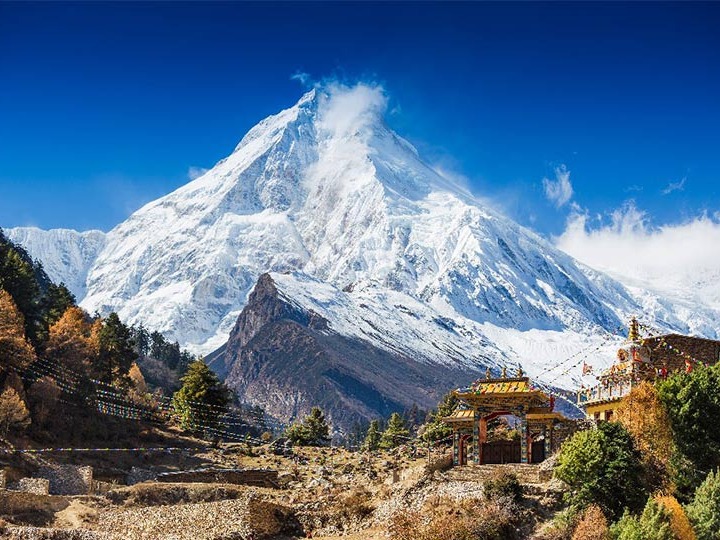
The Tsum Valley Trek is a spiritual journey into a sacred hidden world nestled within the Manaslu region. This tranquil pilgrimage leads through timeless Tibetan Buddhist villages, where ancient monasteries and intricately carved mani walls line the trails. The valley's profound peace, stemming from its centuries-old isolation, offers an intimate cultural immersion. Highlights include visiting the revered Milarepa’s Cave and the serene Rachen Gompa, making it perfect for trekkers seeking spiritual enrichment and genuine cultural discovery.
Embark on a spiritual sojourn through the serene Tsum Valley, a sacred sanctuary long revered by Tibetan Buddhists and hidden within the northern folds of the Manaslu region. This trek is less about strenuous climbing and more about a peaceful pilgrimage through a living museum of ancient culture. As you walk the quiet trails, you'll pass countless mani walls etched with prayers, spin ancient prayer wheels, and feel the profound silence of monasteries like Rachen and Mu Gompa, where the air is thick with devotion. The valley, once a restricted area, offers an intimate and untouched glimpse into a traditional way of life, where the gentle smiles of the local people are as memorable as the stunning mountain vistas. It’s a journey that nourishes the soul, making it perfect for those seeking meaning and cultural connection alongside their adventure.
For those captivated by the Annapurna region but seeking solitude beyond the main circuit, the Narphu Valley Trek unveils a hidden world of breathtaking beauty and cultural preservation. This extraordinary journey begins with a dramatic descent into the awe-inspiring Nar Phu Gorge, a deep, narrow canyon that serves as a gateway to a forgotten Tibetan kingdom. As you emerge from the canyon walls, you enter the high, secluded valleys of Nar and Phu, where time seems to have stood still for centuries.
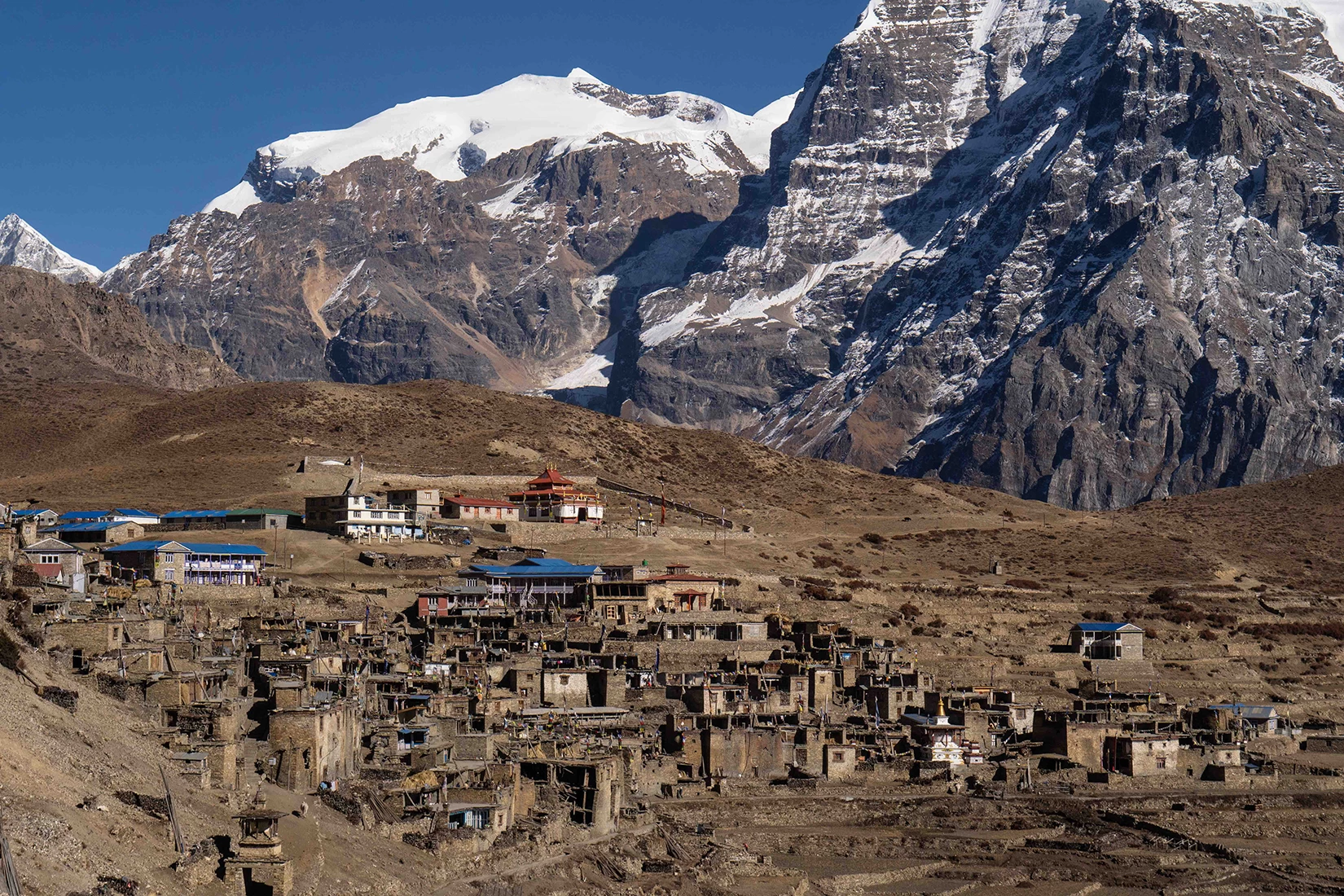
The cultural immersion here is unparalleled, with medieval stone villages clinging to mountainsides and ancient Buddhist traditions thriving in isolation. You'll witness yaks grazing on high pastures, prayer flags fluttering over traditional stone houses, and encounter communities that have preserved their way of life against the backdrop of the majestic Himalayas. The villages of Nar and Phu themselves are highlights, offering authentic glimpses into a culture largely untouched by modernity, with their ancient monasteries, traditional dress, and warm hospitality.
The trek's ultimate challenge and reward comes with crossing the Kang La Pass (5,322m), a demanding high-altitude ascent that reveals one of Nepal's most spectacular viewpoints. From the pass, you're greeted with a breathtaking panoramic vista of the Annapurna massif that few travelers ever witness. This dramatic descent then connects you back to the more traveled paths of the Annapurna Circuit, completing a journey that perfectly blends the thrill of true exploration with the grandeur of the Himalayas, making it an ideal choice for adventurers seeking both cultural depth and physical challenge.
The Upper Dolpo Trek represents Nepal's ultimate wilderness experience, a remote and mystical journey through landscapes that have changed little over centuries. This demanding expedition takes experienced trekkers across high passes above 5,000 meters through a raw, untouched mountain realm. The stunning turquoise waters of Phoksundo Lake and the ancient Shey Gompa monastery create unforgettable highlights in a region where Tibetan culture remains preserved in its purest form. This is the perfect choice for those seeking complete solitude and spiritual serenity amid breathtaking scenery.
For travelers drawn to Dolpo's magic but needing a more accessible option, the Lower Dolpo Trek offers a compelling alternative. This route captures the essence of the region's dramatic desert landscapes and rich Tibetan Buddhist heritage while being less demanding than its northern counterpart. The breathtaking Phoksundo Lake remains the centerpiece of this journey, surrounded by remote villages and ancient Bon monasteries. The diverse terrain and cultural wealth make this ideal for those with limited time who still want to experience genuine remoteness.
The Makalu Base Camp Trek delivers a raw and rugged adventure into the heart of the eastern Himalayas. This challenging journey through the biodiverse Makalu-Barun National Park takes trekkers from lush rhododendron forests to high alpine wilderness. The trail offers spectacular views of Everest and Lhotse from unique angles and remains refreshingly uncrowded. Wilderness enthusiasts and biodiversity seekers will find this trek particularly rewarding for its pristine ecosystems and sense of untouched adventure.
In Nepal's far western region, the API Base Camp Trek remains one of the country's best-kept secrets. This remote journey through untouched landscapes offers complete solitude and remarkable peace. The trail passes through stunning alpine meadows and beneath snowy peaks while providing rare cultural encounters with the indigenous Raute people. This is the ultimate choice for intrepid trekkers looking to explore truly uncharted territory and experience Himalayan wilderness at its most pristine
The Ganesh Himal Trek offers remarkable accessibility without compromising on authentic experience. Just a short distance from Kathmandu, this journey through terraced hills and Tamang villages provides sweeping Himalayan panoramas without the crowds. The route features natural hot springs, breathtaking viewpoints, and tranquil villages that maintain traditional lifestyles. This trek is perfect for those seeking offbeat beauty and cultural charm near the capital with moderate difficulty.
For seasoned adventurers seeking high-altitude challenges, the Dhaulagiri Circuit Trek delivers an unparalleled alpine experience. This demanding expedition circumnavigates the massive Dhaulagiri massif, crossing glaciers and high passes over 5,000 meters. The journey to Dhaulagiri Base Camp and over French Pass requires technical skill and mountain experience but rewards trekkers with some of the most epic alpine views in Nepal. This is strictly for hardcore adventurers with solid mountaineering experience.
The Kanchenjunga Base Camp Trek represents the pinnacle of remote Himalayan exploration, taking trekkers to the base of the world's third-highest peak. This epic journey through Nepal's eastern wilderness passes through remote Limbu and Rai villages, pristine alpine valleys, and dramatic glaciers. The overwhelming sense of isolation and the scale of the mountain scenery here are simply unmatched. This long-haul expedition is perfect for trekkers craving ultimate isolation and some of the most spectacular landscapes on earth.
Timing your trek is just as important as choosing the right trail. When it comes to remote Himalayan treks, the weather, festivals, and altitude conditions all play a crucial role in making your adventure safe, enjoyable, and unforgettable.
So, when is the best time for remote treks in Nepal 2025/2026? Let’s explore the seasons, weather patterns, and cultural events that can shape your trekking experience.
Nepal’s mountain climate varies widely, but two main trekking seasons are generally the safest and most scenic:
One of the hidden joys of trekking offbeat trails is experiencing authentic Himalayan festivals. Knowing the local calendar can enhance your journey:
Remote treks often involve crossing passes above 4,000 meters. This means weather can be unpredictable:
Understanding these conditions is key to safe trekking and maximizing enjoyment.
| Season | Pros | Cons | Best For |
|---|---|---|---|
| Autumn | Clear views, cultural festivals | Busier on main routes | Offbeat treks with fewer crowds |
| Spring | Blooming flora, pleasant weather | Possible haze in some areas | Nature lovers, flower enthusiasts |
| Monsoon | Lush landscapes | Dangerous trails, landslides | Generally avoided for remote treks |
| Winter | Quiet trails, clear skies | Very cold, snow on passes | Experienced, well-equipped trekkers |
Thinking about tackling one of Nepal’s remote Himalayan treks? It’s natural to wonder: How hard will it be? Am I fit enough? Let’s break down what you need to know to prepare physically and mentally for these less traveled trails.
Understanding the difficulty and fitness levels required ensures you enjoy your trek safely and confidently, plus it helps you avoid unnecessary risks at high altitudes.
Most of the off-the-beaten-path treks in Nepal demand good cardiovascular fitness, endurance, and strength. Unlike popular routes, these trails are often longer, less developed, and more isolated, so:
Each trek varies in length and daily challenge, but here’s a general idea:
| Trek Name | Duration | Average Daily Hiking Hours | Difficulty Level |
|---|---|---|---|
| Tsum Valley Trek | 10-14 days | 5-7 hours | Moderate |
| Narphu Valley Trek | 14-16 days | 6-8 hours | Challenging |
| Upper Dolpo Trek | 18-21 days | 5-8 hours | Very Challenging |
| Makalu Base Camp Trek | 14-18 days | 5-7 hours | Moderate to Challenging |
| Dhaulagiri Circuit Trek | 16-20 days | 6-9 hours | Very Challenging |
Altitude sickness is a real risk on remote treks, especially when crossing passes above 5,000 meters. Here’s how to prepare:
Not all offbeat treks are equally tough. Here’s how they differ:
Planning an adventure on Nepal’s hidden treks is incredibly exciting, but have you considered the essential permits and logistics involved? Navigating trekking permits, local regulations, and transportation in remote areas can be tricky. With the right information, you’ll breeze through the preparations and enjoy some of the best lesser-known treks in Nepal 2025/2026 with confidence.
Let’s break down everything you need to know to make your off the beaten path trek in Nepal smooth and hassle-free:
Many of Nepal’s remote Himalayan treks require special permits due to their location in conservation or restricted zones. Here are the key permits you’ll need:
Pro Tip: Always check for the latest updates on Nepal trekking permits for restricted areas 2026 as regulations can change frequently.
For offbeat and remote treks, hiring experienced local guides and porters is crucial, not just for convenience but for safety and cultural respect:
Make sure to choose guides certified by the Nepal government, often recommended by ethical trekking agencies, to ensure a responsible and knowledgeable trekking experience.
Reaching remote trailheads can be an adventure in itself:
Packing for an off the beaten path trek in Nepal can feel overwhelming, especially when you’re preparing for remote areas where resources are limited. So, what should you really bring? How do you balance carrying enough gear for safety and comfort without overpacking?
Let’s unpack a smart packing strategy designed for the unique demands of remote Himalayan treks 2025/2026, ensuring you’re prepared without being weighed down.
When trekking far from civilization, your gear choices become critical:
Technology helps maintain safety and navigation in remote zones:
A common mistake is overpacking “just in case.” For remote treks, every ounce counts:
To make things easier, here’s a condensed checklist tailored for the Nepal trek packing list 2026:
Exploring off-the-beaten-path treks in Nepal 2025/2026 is a thrilling adventure, but with great beauty comes great responsibility. As these remote Himalayan treks pass through fragile ecosystems and traditional communities, trekking sustainably ensures they remain untouched and welcoming for future travelers.
Here’s how to be a mindful, ethical trekker:
Protect Nepal’s natural beauty by:
These small actions keep the hidden treks in Nepal pristine.
Make your journey meaningful by:
Supporting locals strengthens the impact of sustainable trekking in Nepal.
For a responsible experience, select agencies that:
Remember, trekking is not just about the destination but how you get there:
Being a responsible trekker means valuing the journey as much as the destination.
As you plan your next adventure, why not trade the tourist trails for the raw beauty of off-the-beaten-path treks in Nepal 2025/2026? These remote Himalayan routes promise more than just scenic views, they offer meaningful solitude, cultural richness, and an intimate connection with landscapes untouched by mass tourism. From the spiritual stillness of Tsum Valley to the rugged majesty of Kanchenjunga Base Camp, these hidden treks in Nepal invite you to explore in a way that feels personal, purposeful, and powerfully different.
By choosing these lesser-known trails, you're not just discovering Nepal’s best-kept secrets, you’re also contributing to sustainable trekking and uplifting local communities that welcome you with genuine warmth. With the right preparation, a respectful mindset, and a passion for exploration, your journey can be both transformative and impactful.
So, are you ready to walk the trails where nature and tradition still reign? The Himalayas are calling, step forward and experience the adventure of a lifetime with Gateway Adventure Treks and Expedition, your trusted local expert for off-the-beaten-path treks in Nepal 2025/2026.
Whether you're drawn to remote mountain landscapes or authentic cultural experiences, we’re here to help you plan every step with care and purpose.










© Copyright Gateway Adventure Treks and Expedition Pvt. Ltd., 2026 All Rights Reserved