Planning a trek in Nepal can feel overwhelming with so many options available: should you embark on a challenging multi-day trek through remote Himalayan trails or opt for a shorter, more accessible hike near Kathmandu? Whether you’re a seasoned adventurer or a beginner looking for family-friendly treks, understanding the differences between multi-day treks and short treks in Nepal is essential to making the right choice.
Nepal trekking offers something for everyone, from the iconic Everest Base Camp trek and Annapurna Circuit trek to easy treks like Poon Hill and Nagarkot. Each option brings its own unique blend of breathtaking scenery, cultural immersion, and physical demands. But how do you decide which trek fits your fitness level, schedule, and travel goals?
In this guide, we’ll explore the benefits, challenges, and practical considerations of multi-day treks versus short treks, helping you navigate Nepal’s diverse trekking landscape with confidence. Whether you’re dreaming of a remote Himalayan adventure or a quick weekend getaway, this post will help you choose the best trek for your next Nepal adventure.
When it comes to Nepal trekking, one size doesn’t fit all. You’ll quickly discover that the country offers a spectrum of experiences, from quick, scenic short treks in Nepal to immersive, multi-day treks that test your endurance and reward you with unforgettable views. But before diving into specific routes, let’s break down the two main types of treks and what sets them apart.
Multi-day treks typically range from 5 days to 3 weeks or more. These longer treks often take you deep into the Himalayas, far beyond the reach of roads and tourist towns. They’re ideal for trekkers who want to:
While these adventures are incredibly rewarding, they require thorough preparation and a higher level of fitness and time commitment.
Short treks, on the other hand, usually last from 1 to 5 days and are more accessible to casual hikers, families, or travelers with limited time. These treks are:
Popular examples include the Poon Hill trek, Nagarkot hike, and Mardi Himal short route. These offer big rewards in terms of scenic mountain treks with less time and effort.
Here’s a quick comparison to help you visualize the contrasts:
| Feature | Multi-Day Treks | Short Treks |
|---|---|---|
| Duration | 5-21+ days | 1-5 days |
| Fitness Level | Moderate to High | Beginner to Moderate |
| Scenery Depth | Remote, panoramic views | Nearby, accessible viewpoints |
| Cultural Experience | Deep cultural immersion | Introductory cultural exposure |
| Preparation Needed | Extensive (permits, gear | Minimal |
| Cost | Higher (due to logistics) | More budget-friendly |
So, what makes multi-day treks in Nepal worth the time, effort, and commitment? If you're someone who thrives on deep exploration, rich cultural exchanges, and panoramic mountain views that stretch beyond imagination, then this is your kind of adventure.
Multi-day treks are more than just long walks, they’re immersive journeys through some of the most stunning and remote landscapes on Earth. Let’s explore what sets these treks apart.
One of the biggest draws of multi-day treks is the chance to immerse yourself in Nepal’s culture and nature like nowhere else. As you move from one village to another, you'll:
This level of cultural immersion in Trekking in the Himalayas is simply not possible on shorter trails.
Let’s be honest, multi-day treks aren’t easy. But that's what makes them rewarding. Whether you're tackling the Annapurna Region, Manaslu Region, or Everest Region, you'll push your limits. But in return, you’ll:
These long-distance trekking benefits go far beyond the physical; they’re transformative.
Sure, short treks offer great views, but multi-day treks take you deeper into the heart of the Himalayas. Imagine:
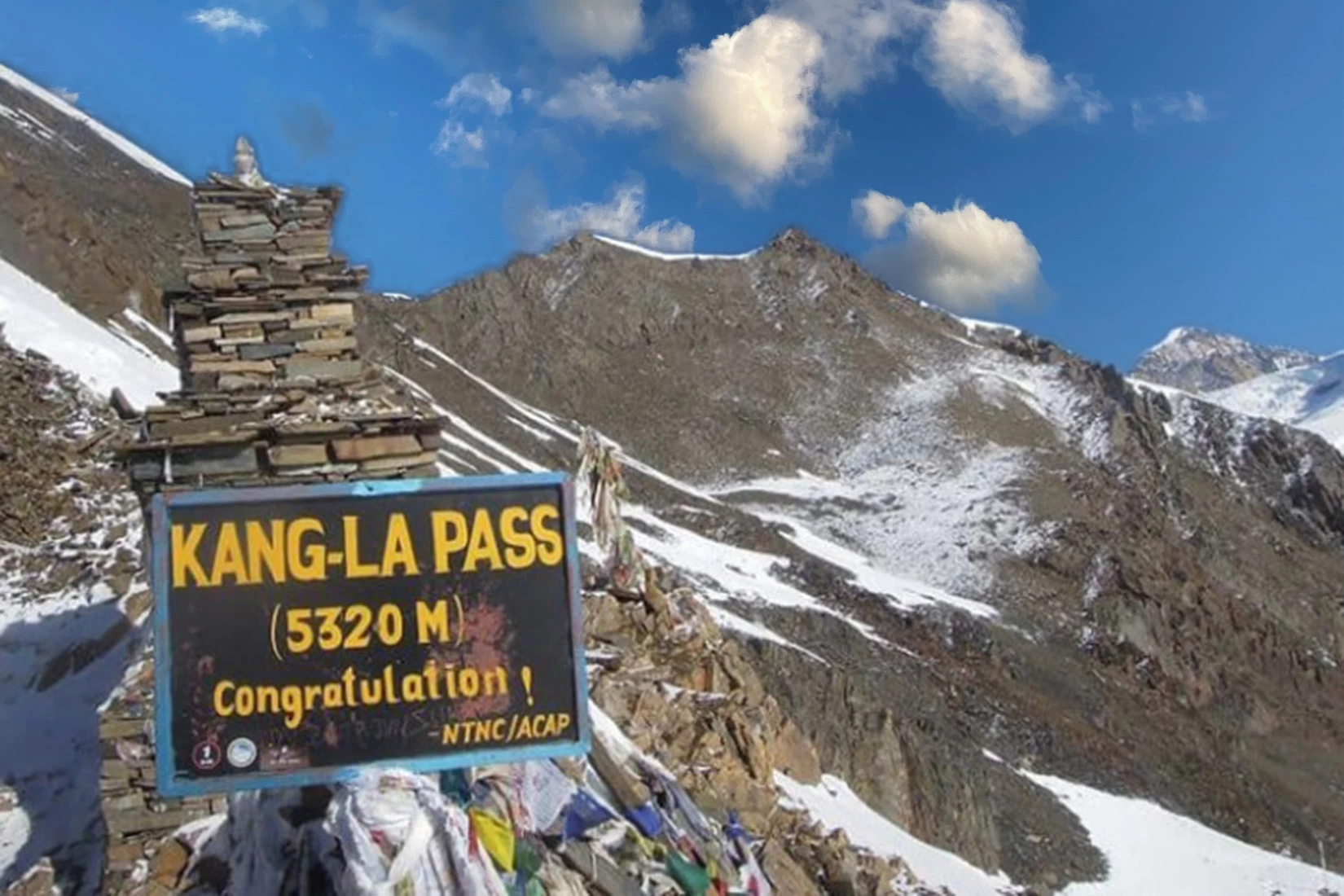
These scenic mountain treks offer vistas and serenity that can't be captured in a quick hike.
While popular routes like the Everest and Annapurna regions do see high foot traffic, many remote Himalayan treks remain off the beaten path. Treks like:
These trails let you truly disconnect and explore Nepal’s hidden trekking gems.
A multi-day trek transforms your trip into a personal expedition. It’s not just about the destination, it’s about every step, every smile from a stranger, and every breath of crisp mountain air. The trail becomes a moving classroom, teaching you patience, humility, and gratitude.
Note: Multi-day treks in Nepal aren’t for everyone, but if you’re looking for challenge, depth, and discovery, they might be exactly what your adventurous soul needs.
Don’t have two weeks to spare for a Himalayan adventure? Don’t worry, short treks in Nepal deliver big experiences in a compact time frame. Whether you're visiting Nepal on a tight schedule, traveling with kids, or simply looking for a less intense introduction to trekking, short treks offer a surprisingly rich blend of nature, culture, and comfort.
Let’s dive into why a short trek might be the perfect choice for your Nepal adventure.
If this is your first time trekking, or if you're traveling with children or seniors, easy treks in Nepal offer a gentle start. These routes are:
Some great Nepal trekking for families options include:
Only have a few days? You can still enjoy scenic mountain treks that don’t compromise on beauty. Many best short treks in the Himalayas offer unforgettable views of snow-capped peaks, lush forests, and charming villages, all in just 2 to 5 days.
Popular quick escapes include:
You’ll get postcard-perfect photos and rich experiences without long travel times.
Not sure if trekking is for you? A short trek acts as a perfect trial. These trips:
They’re also great for spontaneous travelers or those who want to add an active element to a broader Nepal travel plan.
Short treks naturally tend to be more affordable. With fewer days on the trail, you’ll spend less on:
For anyone looking into budget trekking in Nepal, short treks offer an excellent way to experience the mountains without stretching your wallet.
Short treks are perfect for:
They fit effortlessly into a busy travel itinerary while giving you a meaningful encounter with the Himalayas.
Note: Short treks really pack a punch! They’re easy, beautiful, and surprisingly rewarding. Whether you’re just starting out or want to soak in the mountain magic in just a few days, short treks in Nepal could be exactly what you’re looking for.
Choosing between a multi-day and a short trek in Nepal isn’t always a simple decision. With so many breathtaking trails and unique experiences on offer, how do you pick the one that truly fits your goals and circumstances? Let’s break down the key factors that should guide your choice, whether you’re a seasoned hiker or someone planning your very first adventure in the Himalayas.
How much time do you really have? Your available days are one of the most decisive factors. Multi-day treks like the Annapurna Circuit trek or the Everest Base Camp trek require a minimum of 10 to 14 days, including acclimatization and travel to/from the trailhead. These are perfect if you’re planning a dedicated trekking holiday.
On the other hand, if you're on a tight itinerary, short treks in Nepal, such as Poon Hill or Nagarkot hikes, can be squeezed into a long weekend or even as part of a larger Nepal adventure itinerary.
Quick tip: If you have less than a week in Nepal, explore weekend treks or Nepal short hikes for maximum value with minimal planning.
What’s your current fitness level, and how far are you willing to push yourself?
Your comfort with altitude also matters. Many longer treks go above 4,000 meters, where altitude sickness prevention becomes essential.
Let’s talk money, what’s your trekking budget?
That said, both options can be customized, there are plenty of budget trekking Nepal agencies as well as luxury lodges on popular trails.
Helpful comparison: Think about your daily spend multiplied by your trek duration to understand the full financial picture.
Ask yourself: What do you want to get out of this trek?
Other questions to consider:
Whether it’s for self-discovery, physical challenge, or cultural enrichment, aligning your trek with your “why” will make the journey all the more rewarding.
Note: There’s no one-size-fits-all answer to trekking in Nepal. Think about your time, fitness, budget, and what you want to get out of it. That way, your trek won’t just be beautiful, it’ll be meaningful too.
Once you’ve weighed your goals, schedule, and fitness level, it’s time to explore the actual trails that match your trekking style. Nepal is home to some of the world’s best treks, both long and short, each offering its own blend of scenery, culture, and adventure. Let’s walk through the most iconic multi-day and short treks, then compare them to help you choose the one that truly speaks to you.
These are immersive journeys that take you deep into the Himalayas, offering days of walking through remote villages, terraced fields, rhododendron forests, and high-altitude mountain passes.
Short treks are ideal for travelers with limited time or those wanting a lighter physical challenge while still immersing themselves in the beauty of the Himalayas.
iii. Comparing the Experiences
Let’s put it side by side:
| Feature | Multi-Day Treks | Short Treks |
|---|---|---|
| Duration | 7–18 days | 1–6 days |
| Scenery | Expansive and varied (high passes, glaciers) | Lower elevations, forested hills, sunrise points |
| Cultural Depth | Deep immersion in remote mountain life | Light cultural touch (village stays, local food) |
| Difficulty Level | Moderate to high | Easy to moderate |
| Best For | Adventure seekers, seasoned trekkers | Beginners, families, time-limited travelers |
| Cost Range | Higher (permits, accommodation, duration) | Lower (minimal permits/logistics) |
Here’s a quick decision checklist:
No matter what you choose, Nepal delivers an unforgettable trekking experience.
Planning a trek in Nepal, whether it’s a challenging multi-day adventure or a refreshing short hike, can feel overwhelming at first. But don’t worry, with the right preparation, you’ll be ready to enjoy one of the most breathtaking experiences on earth. Let’s break down some essential tips to help you get organized, stay safe, and maximize your adventure.
Trekking demands physical stamina and mental resilience, especially on multi-day routes with high altitude. So, how do you get ready?
Your packing list will vary depending on the trek length and season, but some basics are non-negotiable:
While trekking independently in Nepal is possible, hiring a local guide or porter can greatly enhance your experience by providing cultural insights, easing navigation, and ensuring your safety.
Your safety is paramount. Here are key points to keep in mind:
The best season for Nepal treks generally falls in Spring (March to May) and Autumn (September to November), when weather is stable and views are spectacular. Winter treks can be chilly but less crowded, while monsoon season (June to August) brings lush greenery but slippery trails.
Choosing between multi-day treks and short treks in Nepal ultimately comes down to what you want to experience, your fitness level, and how much time you have. Are you looking for a deep cultural immersion and a physical challenge that pushes your limits? Or do you prefer a quick, accessible adventure that still delivers breathtaking Himalayan views? Both options offer unforgettable Nepal trekking experiences, whether you’re a seasoned trekker or a beginner.
Remember, Nepal’s trekking diversity means there’s truly something for everyone, from the iconic Annapurna Circuit and Everest Base Camp treks to the charming and family-friendly Poon Hill or Nagarkot short hikes. By understanding the differences, benefits, and practical considerations we’ve discussed, you’re better equipped to choose the trek that fits your goals, budget, and travel style.
So, what’s your next step? Will you embrace the challenge of a long-distance trek, or enjoy a scenic short trek close to Kathmandu? Either way, Nepal’s majestic mountains and rich culture await. Plan wisely, prepare well, and embark on an adventure that will stay with you for a lifetime.










© Copyright Gateway Adventure Treks and Expedition Pvt. Ltd., 2026 All Rights Reserved